
Through the Lens: Nadirah Zakariya
On introspective photography and women-led creative work
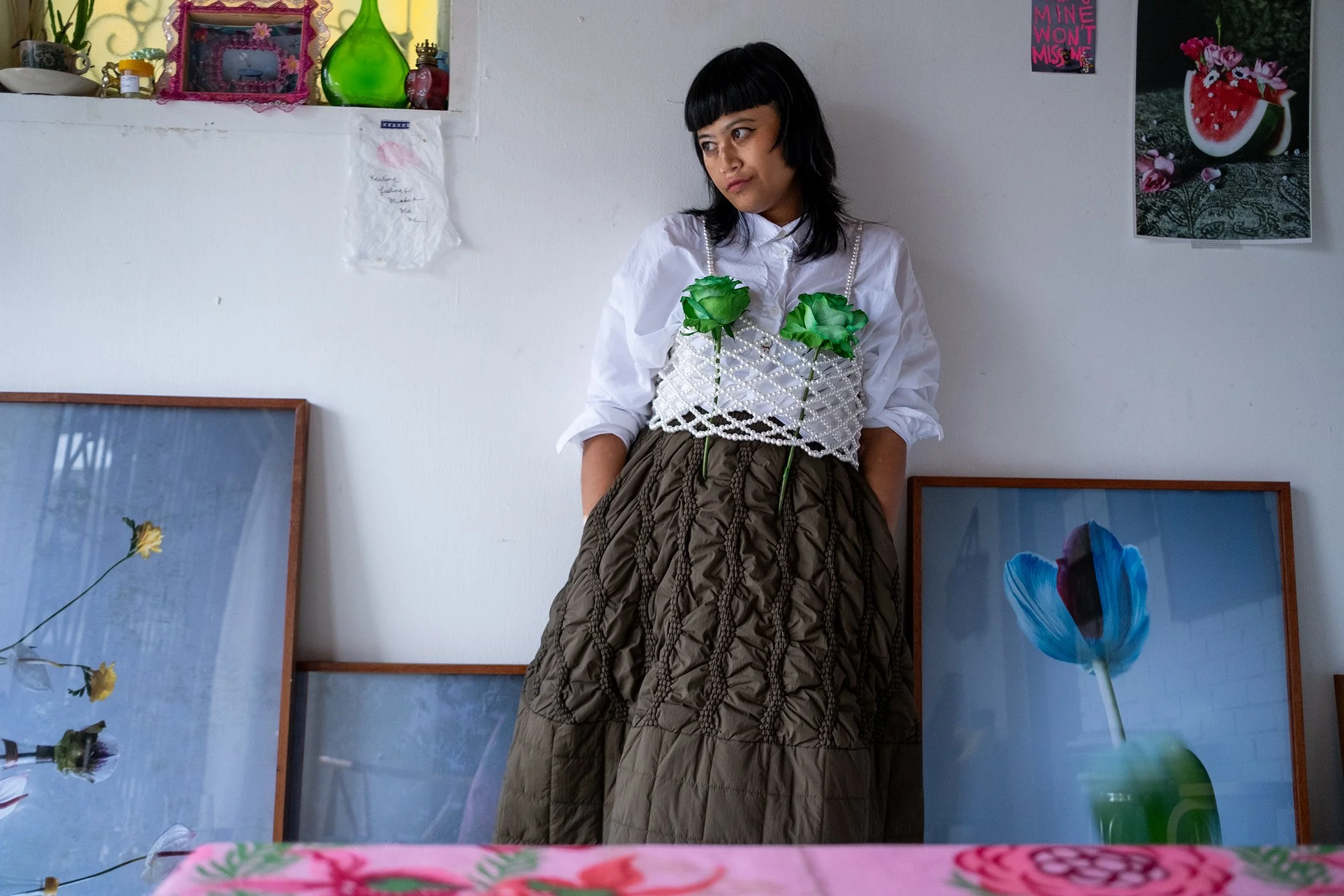
Nadirah Zakariya. Image courtesy of the artist.
Nadirah Zakariya is a Malaysian photographer whose work explores identity and emotion through portraiture, still life, and landscape photography. Born in Malaysia in 1984, she spent her formative years in Shizuoka, Japan, followed by studies in New York City, where she earned her Bachelor of Fine Arts in Photography from the Fashion Institute of Technology in 2010. Now based in Kuala Lumpur, her work has explored sisterhood in GIRLHOOD (2016), her experience with vitiligo in a series published in Vogue Italia, and introspective still lifes in Feeling Feelings Makes Me, Me (2023).
Her work has been published in The New York Times Magazine, VICE, and Dazed and Confused, and exhibited internationally in New York, London, Milan, Singapore, Tokyo, and Kuala Lumpur. Her most recent exhibition, Air Mata Air, was held at The Back Room in Kuala Lumpur. Beyond her photographic work, Zakariya co-founded Layar Lucida, a women-led creative studio focused on film and commercial work, and Exposure+ Photo Festival, an annual celebration of photography across Southeast Asia. In this interview, Nadirah discusses her creative process, the challenges of creating honest imagery, and her commitment to building creative communities.
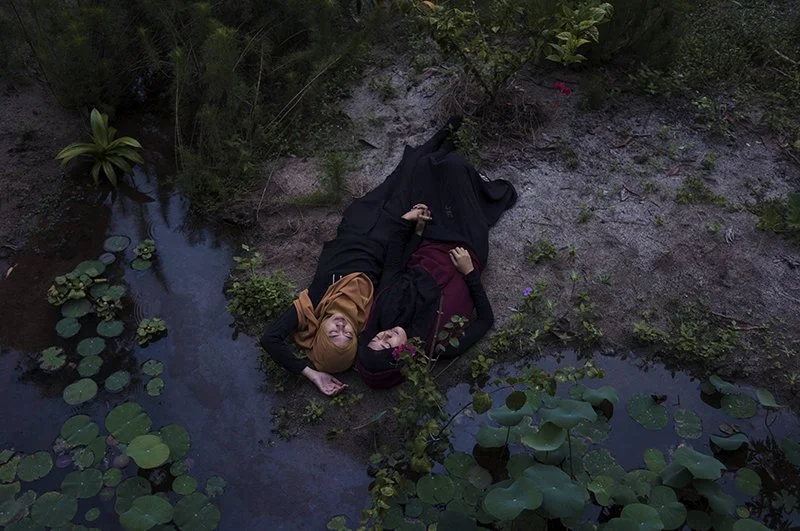
Nadirah Zakariya, Girlhood, 2016. Image courtesy of the artist.
Could you talk about your background and how you started your photographic practice?
I have loved art since I was young. But it was not until I was 17 years old, when I spent one year on an exchange student programme in Shizuoka, Japan that I realised I enjoyed photography. At the time, I wanted to document everything, which led me to study photography in college. My first darkroom experience felt spiritual and magical! It was then that I fell in love with the medium.
What are some of the themes your work explores? Who or what are the main influences your work draws upon?
My work functions as a form of self-portrait, even when I am not physically present in the frame. I use objects, flowers, textures and atmosphere to speak about identity and how it shifts, fractures, heals and reshapes itself over time. I am drawn to fleeting moments and to the fragility found in the everyday. I try to translate those emotional states into still-life images that are intimate and honest. Searching for that honesty guides my work, and art remains the way I process my sense of being.
My recent body of work Air Mata Air continues this exploration by looking inward and examining my inner self through the symbolism of nature and bodies of water. Water becomes a mirror, reflecting memory, emotion and the fluidity of who we become.
Flowers also appear throughout my practice because their cycles of blooming and decay represent the softness and impermanence I am drawn to photograph.
I am shaped by my Malaysian upbringing, the natural landscapes I grew up with and the small rituals and sensory details that make up daily life. I am inspired by artists who work with vulnerability and subtlety and by the poetry of ordinary objects that reveal more than they appear.
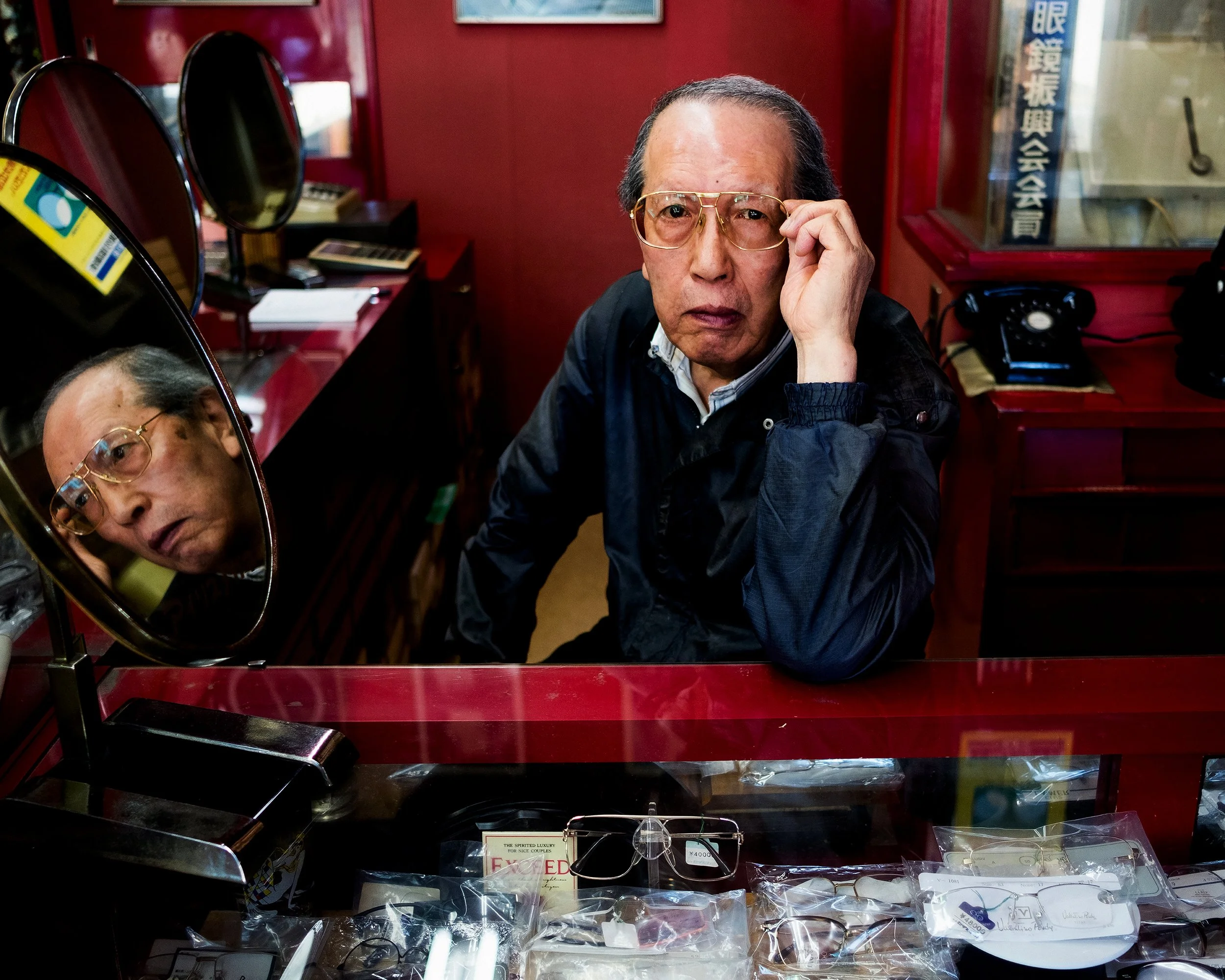
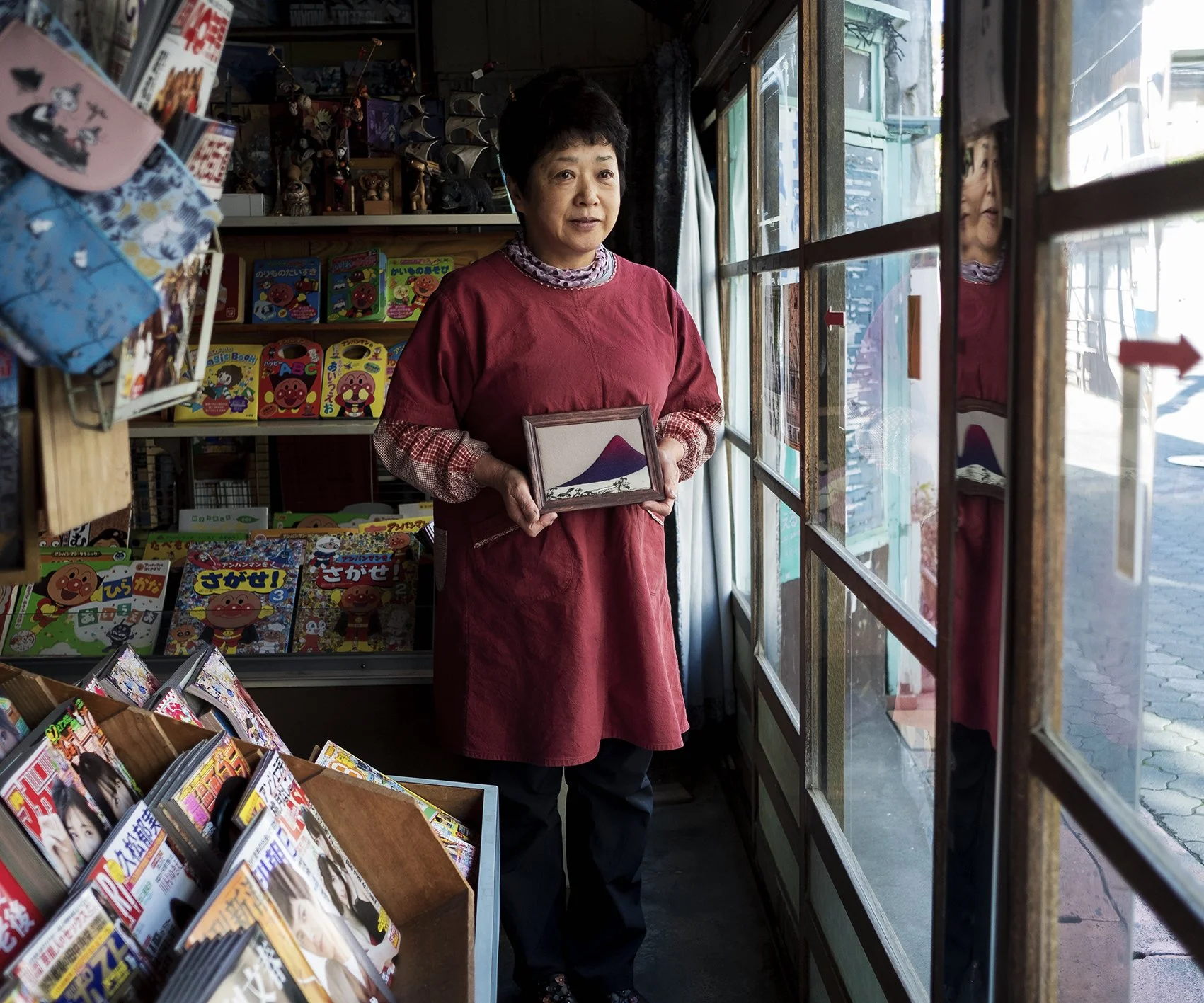
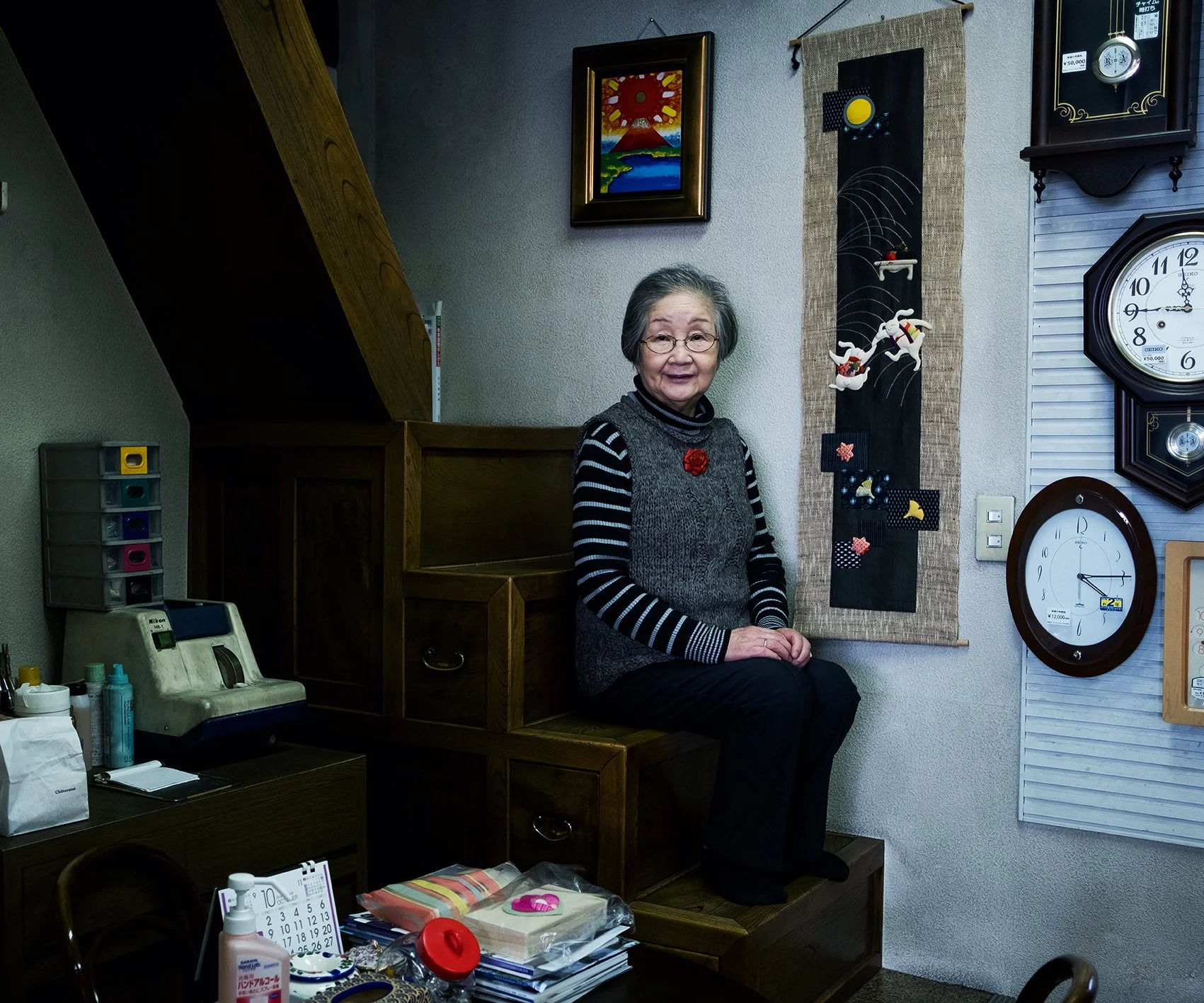
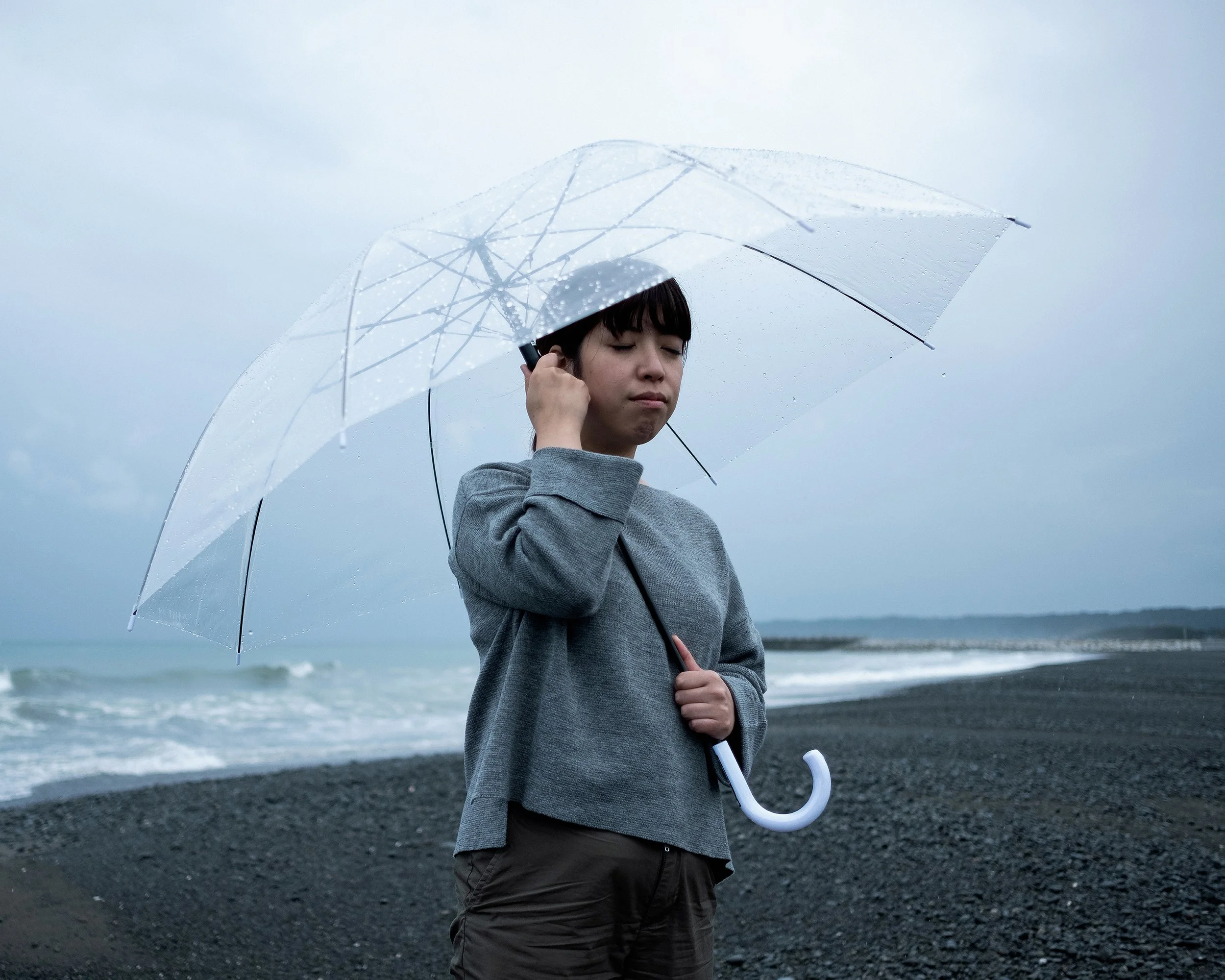
Nadirah Zakariya, Fuji-San Love Letters, 2018. Image courtesy of the artist.
Your work invites viewers into personal spaces and experiences. What do you want people to take away from encountering your photographs? Are there particular aspects or elements that hold special importance for you?
I am someone who feels a lot. I believe that is part of the human experience. I try to show that there is strength in vulnerability and that it is okay to feel, whether the feelings are light or heavy. When people encounter my work, I hope they recognise something familiar and see a part of themselves reflected back.
“If viewers can pause, feel, and connect with their own inner world through my photographs, then the work has done what it needs to do.”
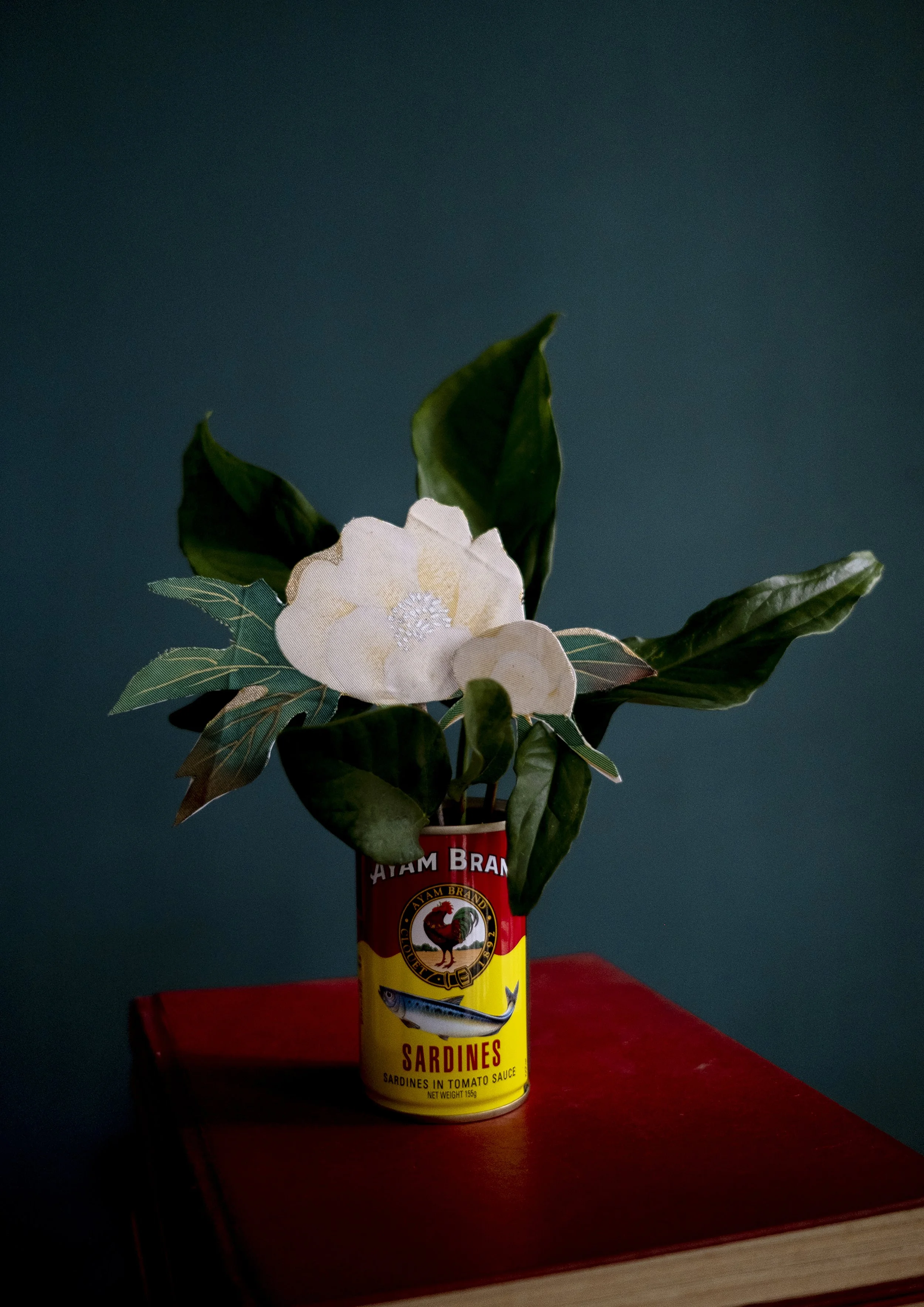
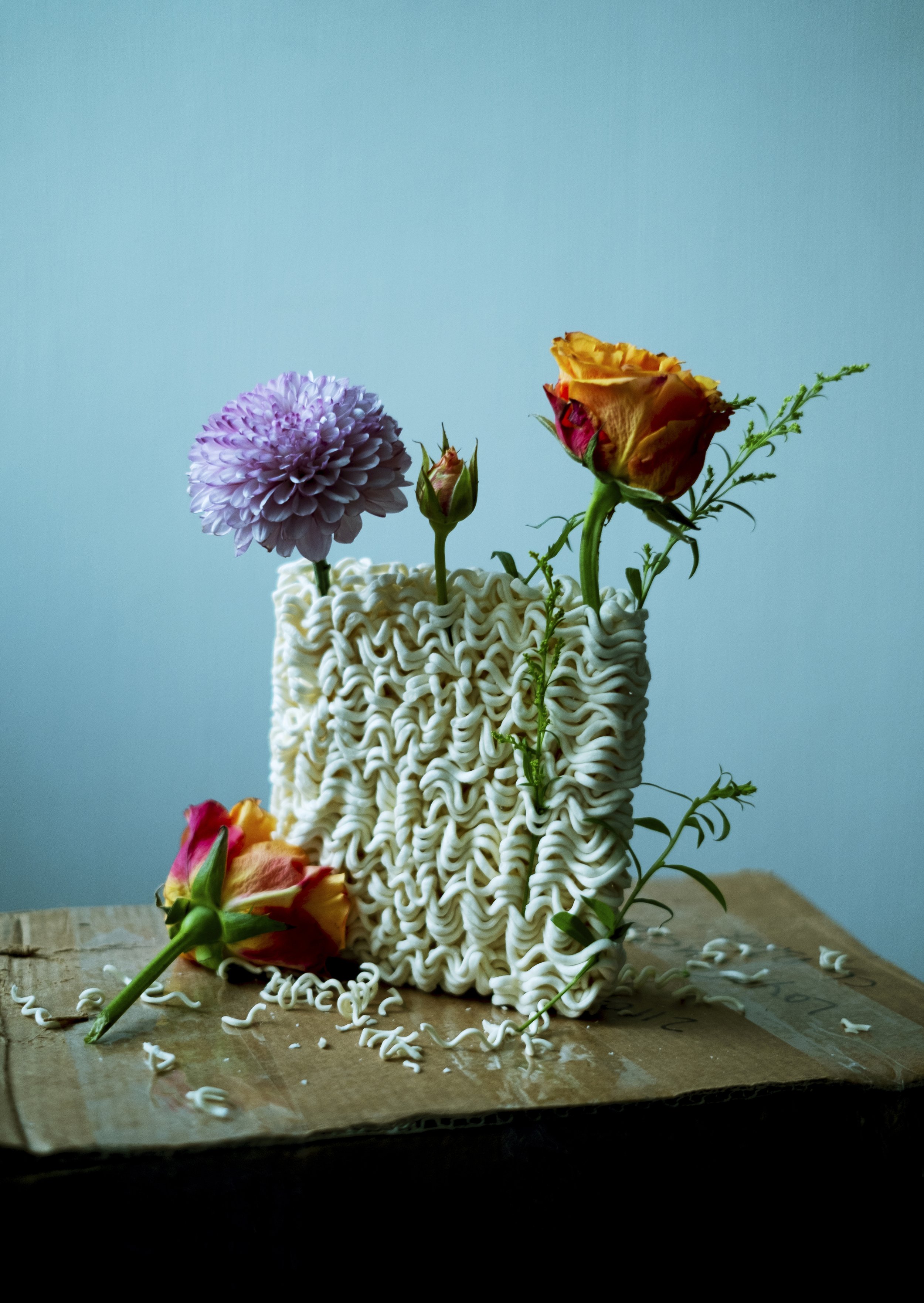
Nadirah Zakariya, Feeling Feelings Makes Me, Me, 2023. Image courtesy of the artist.
Could you walk us through your creative process? What challenges do you encounter as a photographer dealing with personal subject matter, and how do you navigate them?
My creative process begins with honesty. To make work that feels true, I have to enter a space of openness, even when it means facing parts of myself that are uncomfortable. I spend time sitting with my emotions, observing the objects or elements that resonate with them, and letting the image build from there. The process is slow and intuitive, and often guided by small details or shifts in mood.
The biggest challenge is that working with personal subject matter requires confronting hard truths. It can be emotionally heavy and vulnerable. There are moments when I hesitate or question whether I want to expose that part of myself. But allowing myself to move through that discomfort is essential. It keeps the work grounded and sincere.
I navigate this by giving myself space, time and compassion. When the work becomes too close, I step back and return only when I can look at it with clarity. The challenge is also what makes the process meaningful, because the act of creating becomes a form of understanding and healing.
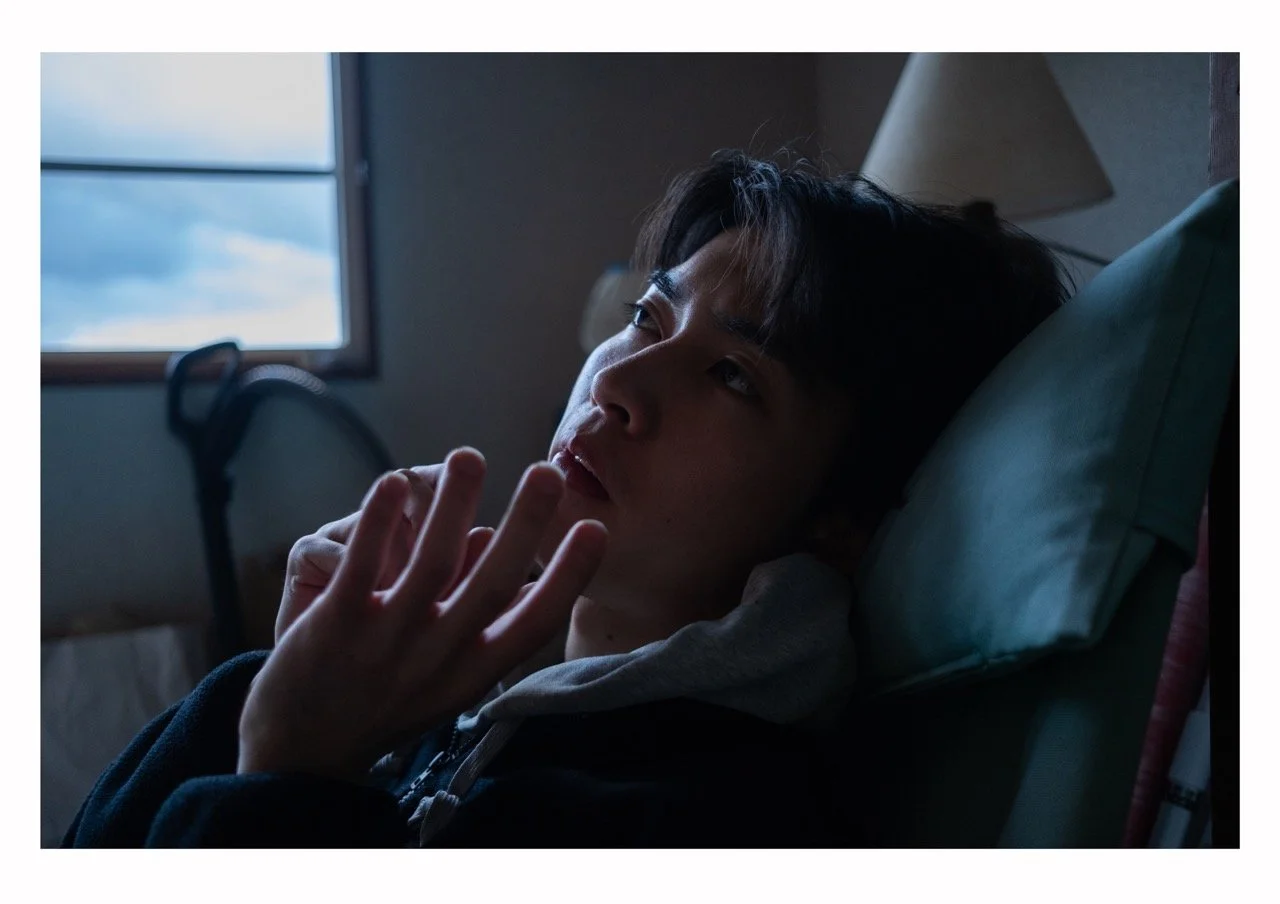
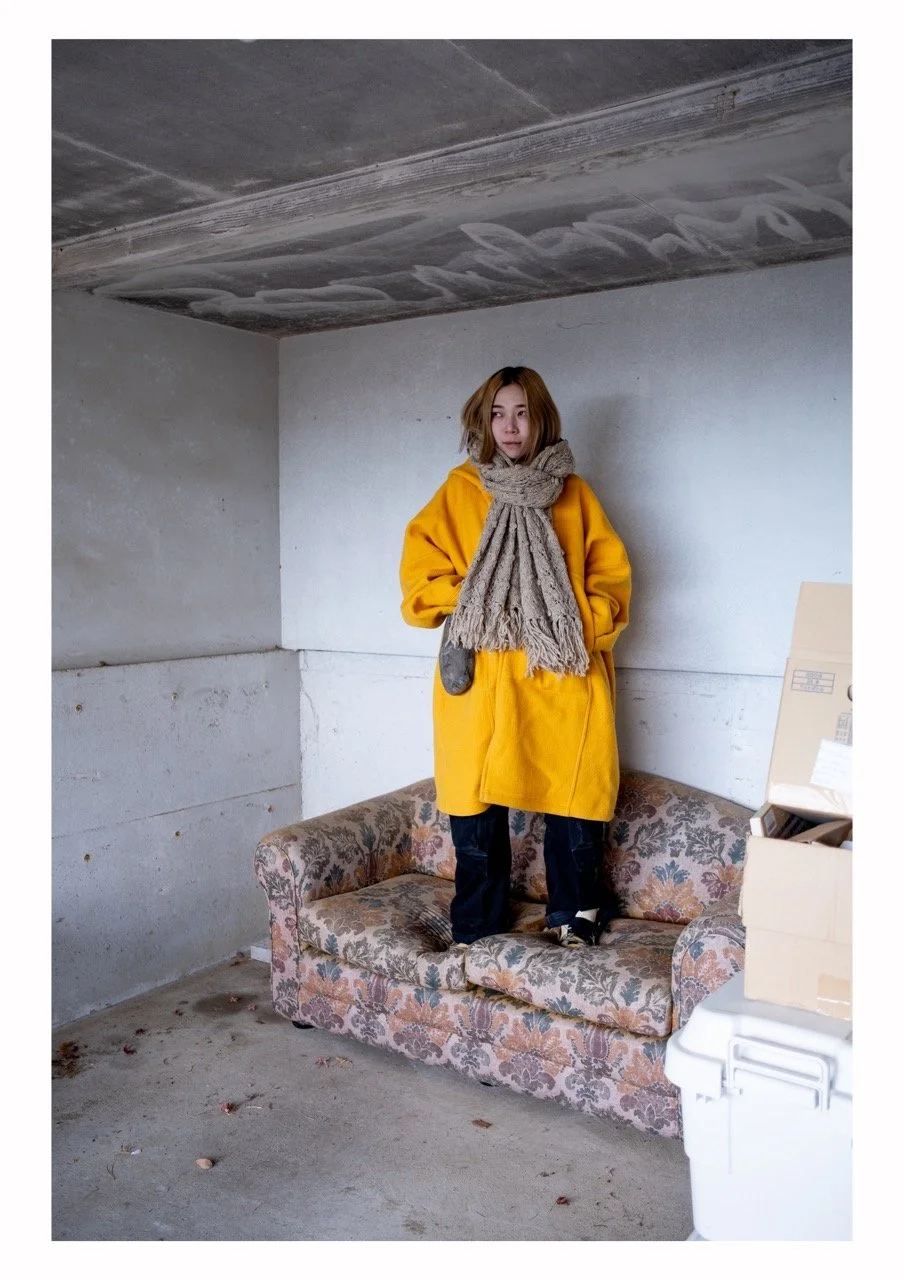
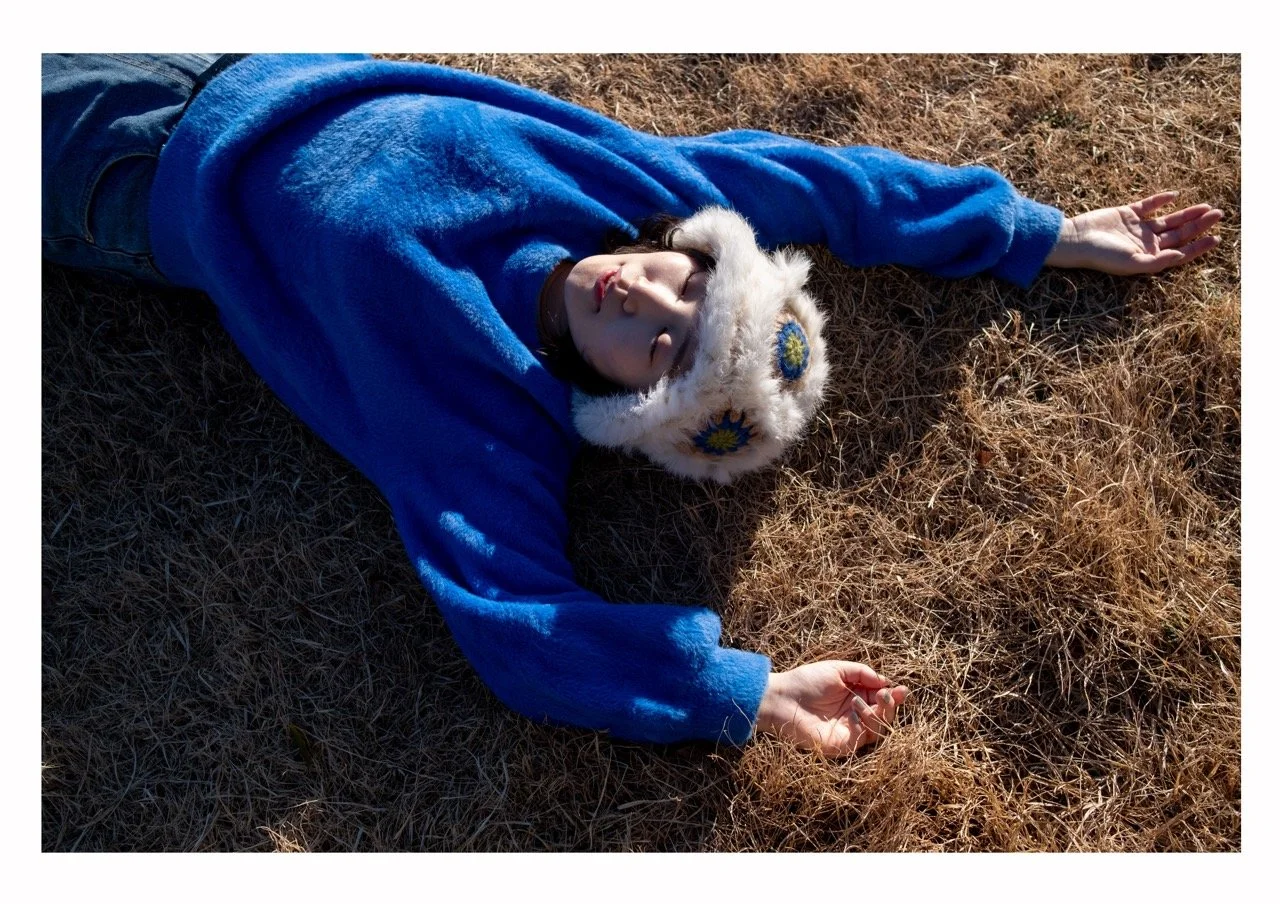
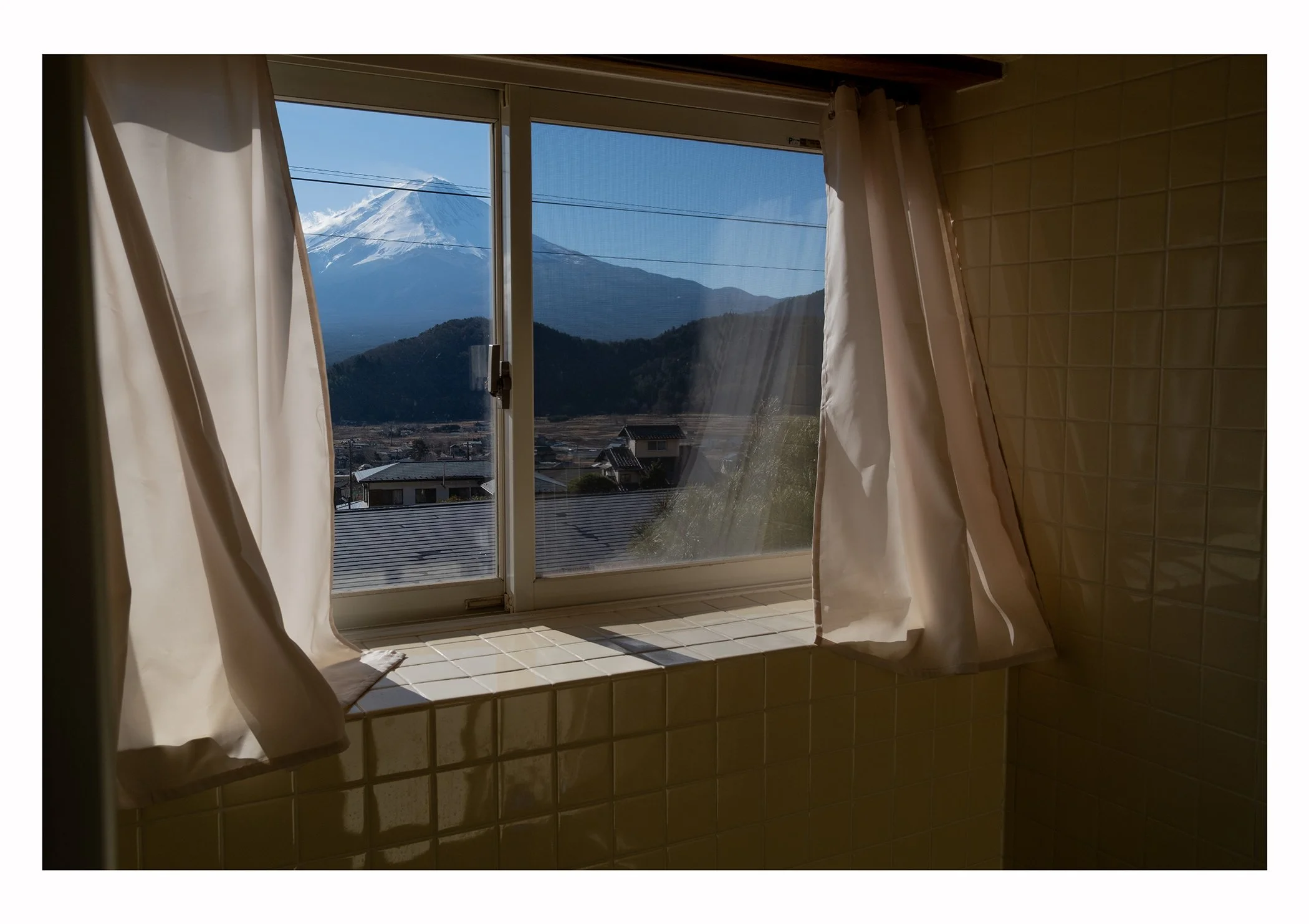
Nadirah Zakariya, Hatsuyume, 2025. Image courtesy of the artist.
You have produced several projects over the years, from Daughters Ago (2011) to Fuji-San Love Letters (2018) to your most recent solo exhibition, Air Mata Air (2025). Could you share the stories behind some of these works and what made them significant to your practice?
Daughters Ago was created during my time living in New York City. It became my first solo exhibition at the Lomography Gallery. It was a personal project exploring sisterhood, friendship and the emotional bonds that shape us. It marked the beginning of my understanding that photography can hold both memory and intimacy in the same frame. In 2016, I continued this project through the idea of sisterhood in a series called GIRLHOOD.
Fuji-San Love Letters looks at a different kind of relationship between people and place. The project explores how the communities living around Mount Fuji relate to the mountain, and how their daily lives intertwine with something so monumental. Even though the subject shifted from people to landscape, it was still about human connection. I continued this project in the winter of 2025 for a series titled Hatsuyume, where I spent time working at a 6okken artist residency in Japan.
More recently, Feeling Feelings Makes Me, Me and my latest exhibition Air Mata Air offer a deeper look into my inner world through still lifes and landscapes. These works move closer to self-portraiture, not through the body but through objects, nature and emotional atmosphere. They reflect my ongoing interest in vulnerability, memory and the quiet spaces we carry inside ourselves.
Across all these projects, there is a recurring sense of longing. That feeling continues to guide how I see and how I make work.
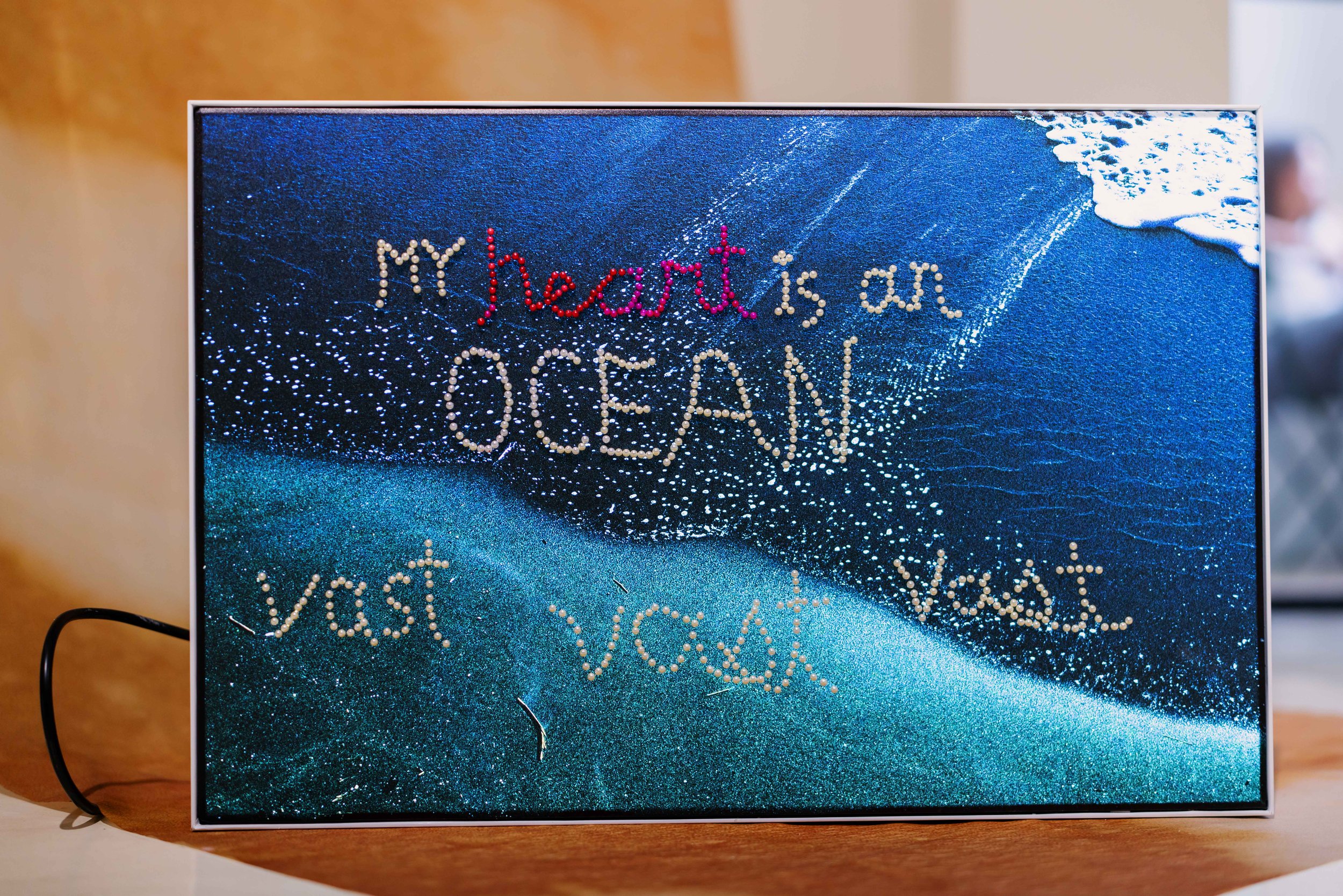
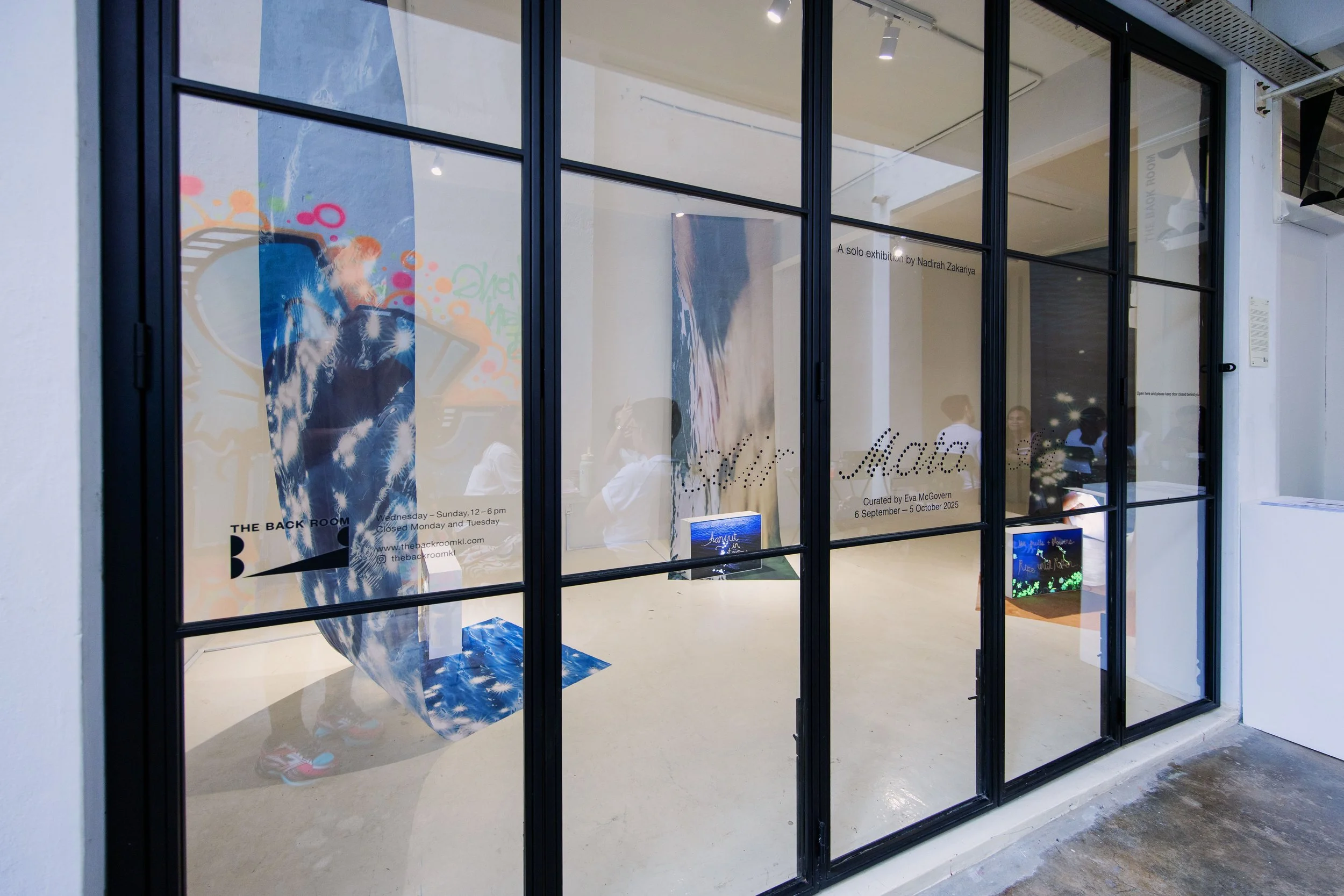
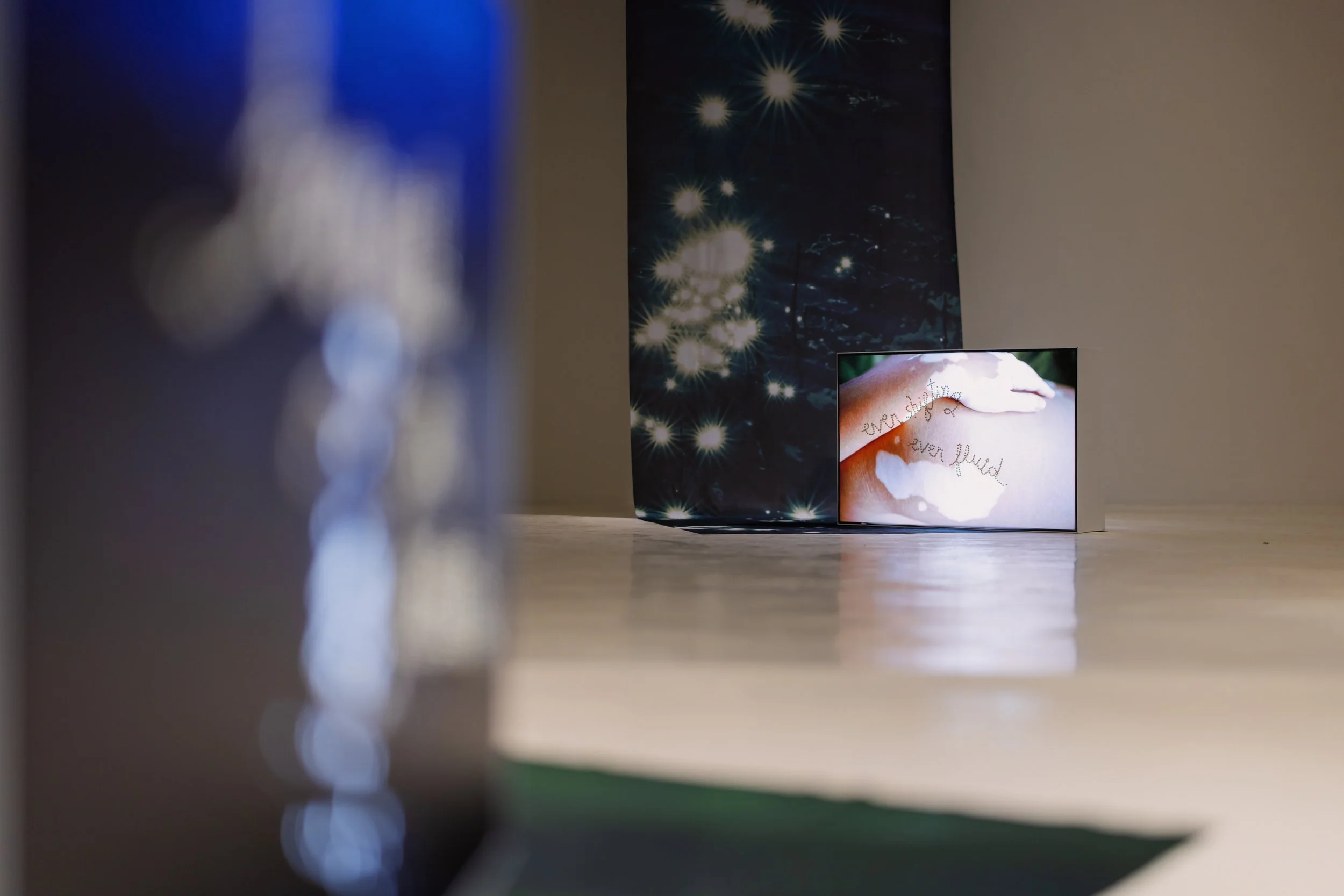
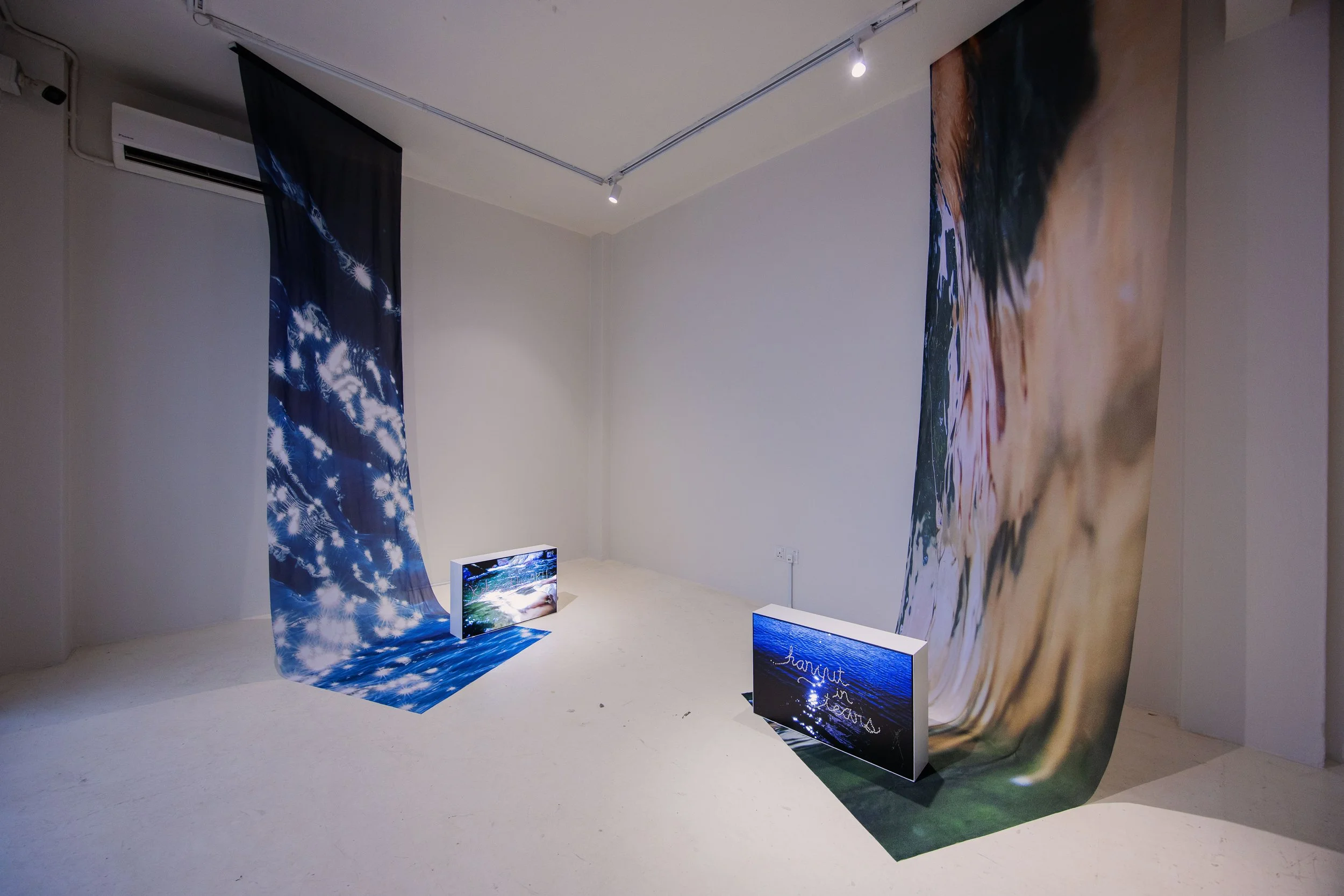
Nadirah Zakariya, Air Mata Air, 2025. Image courtesy of the artist.
You founded your own women-led creative studio, Layar Lucida. How do collaboration and community-building inform your creative work?
Layar Lucida was built with the intention of creating more space for women’s stories. Whether I am working as a photographer or producing and directing film projects, it is about telling stories and putting women at the forefront.
We make a conscious effort to work with women both in front of and behind the camera. It is important that the creative environment feels supportive, grounded and inclusive, because that is when honest storytelling happens. Building a community of women who uplift one another has shaped the work we create and the way we create it.
Looking ahead, what directions are you considering for your practice? Are there any projects or themes you are currently developing or wish to explore further?
Self-portraiture is at the core of my work. As I enter my 40s in Malaysia, I am interested in exploring how this phase of life shapes my sense of self and my practice. I am drawn to themes around perimenopause, identity, and the ways our bodies and experiences transform over time. Through this, I hope to continue making work that is honest, introspective, and personal.
The interview has been edited.
Explore more of Nadirah’s work via her website here or his Instagram @nadirahzakariya.