
Fashion & Books: Sean’s Bookshop
Sean Tay, My Green Carnation and more
Fashion & Books is a monthly column where we speak to Southeast Asian creatives about the fashion and books they read, love and collect. This series dives into the ties between the worlds of fashion, the literary arts and independent publishing in and around the region.
With a background in fashion and printmaking, Sean Tay started Sean’s Bookshop in 2021 as an extension of his artistic practice, built on his love for printed matter. Today, it is part research-led library and part experimental studio. Sean’s Bookshop has participated in various fairs, including the Queer Zine Fest Singapore, the Singapore Art Book Fair, the Kuala Lumpur Art Book Fair, and LABOUR BLOCK 2026.
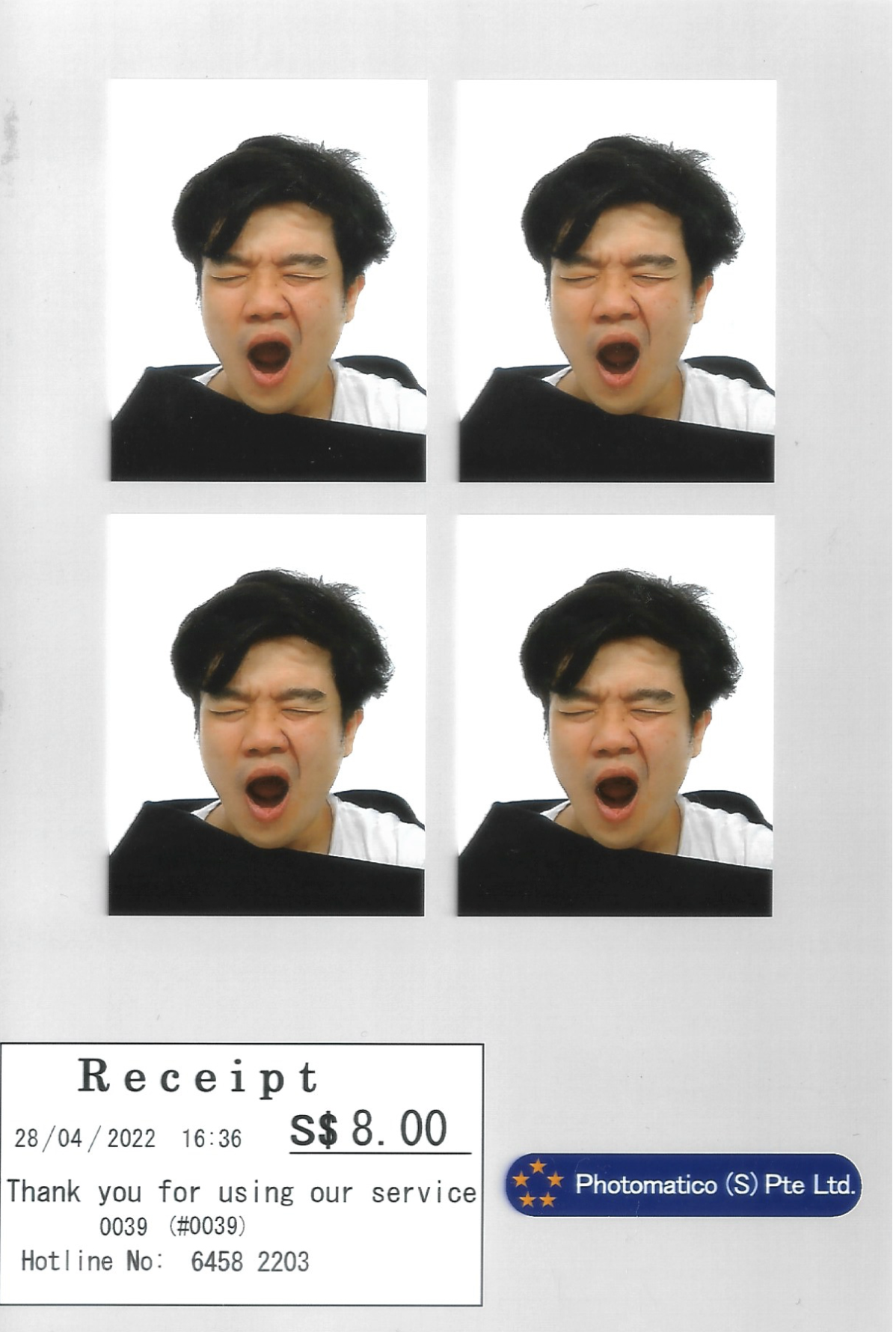
Sean Tay of Sean’s Bookshop. Image courtesy of Sean Tay.
It is Saturday evening, and I hurry down a flight of stairs at the Goodman Arts Centre as I excitedly tell my partner on the phone about a new publication I just bought. I had just left Sean’s studio with My Green Carnation, an output publication that Sean created with fellow practitioner Taufiq Rahman in 2022 after their joint residency at dblspce. My Green Carnation is a series of unbound, non-linear, double-sided A3 prints. These prints, folded down the centre, lie snugly in a brown folder wrapped in green and black tape. Each folder’s pattern of tape-wrapping is unique to how Sean and Taufiq wrapped it.
Sean is prolific in his output, created both independently and in collaboration with fellow practitioners. Notably, unlike the publications he avidly collects, My Green Carnation is the only work that involves digital printing. The rest of Sean’s practice employs a range of print-based and material processes, from collaging and papier-mâché techniques to working with materials such as wax and tape.
Sean’s love of printed matter dates back to his adolescence. A big reader from a young age, he cites his affinity for books to his mother’s love for reading. “Every Friday evening after grandma’s house, my mother would bring my brother and me to the Marine Parade public library,” says Sean. “My mum was and still is a very big reader.”Sean continues to carry a book in his bag everywhere he goes. His favourite reading spot is the bus on his way to work. He shares, “I take the bus to work even though it means I have to leave the house thirty minutes earlier. It gives me the time to read.”
When Sean moved to London to pursue his BA (Hons) Fashion Communication: Image and Promotion at Central Saint Martins, he noted a long period of waiting before his turn at a library book. He recalls, “Sometimes they would no’t be available at all because they were stolen!” This was when he learned to be resourceful, teaching himself to source what he wanted to read outside of school by frequently patronising secondhand bookshops, scouring online resale platforms and then-new distributors like Idea Books to make discoveries.
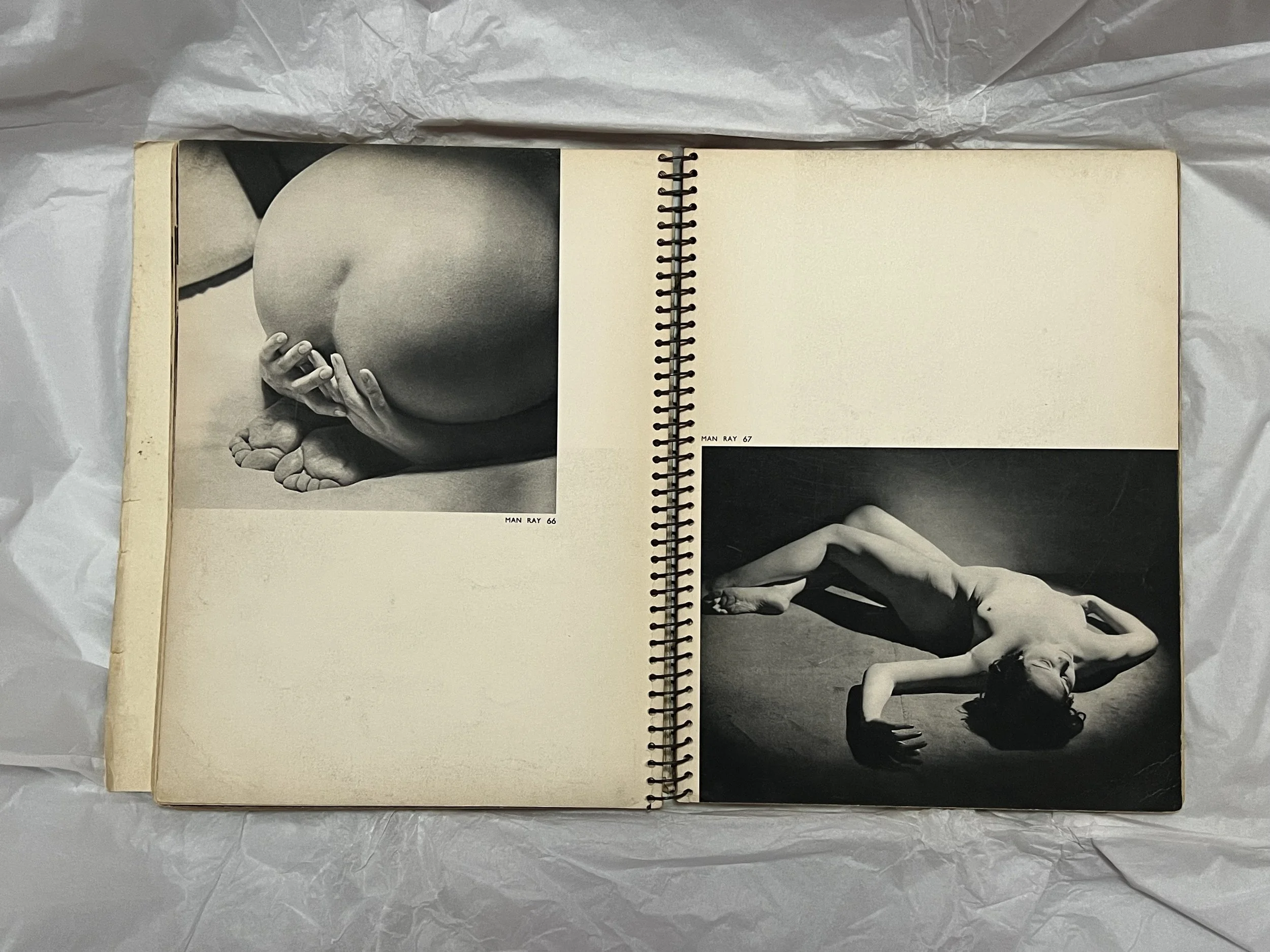
Formes Nues, 1935. Image courtesy of Sean Tay.
Sean’s current collection is determined by a set of rules he loosely follows. He does not buy books just for their resale value. ““There is no space in Singapore, so this means I buy only the books that I enjoy,” he explains. Now, he owns over 100 rare fashion books, a coveted inventory comprising mainly archival fashion publications, designer portfolios and lookbooks, magazines, as well as art books.
Sean recounts how he scored a coveted title at the beginning of his collecting: Portrait of a Performer, an exclusive photojournal devoted to underground rock culture and icon Courtney Love, co-edited by then Dior Homme designer Hedi Slimane with Visionaire and V Magazine. “I bought this for £70 in 2014. Now it is probably worth £500 to £600.”

Maison Martin Margiela A/W 2005 - 2006. Image courtesy of Sean Tay.
When asked about what he looks for in a rare book, Sean laughs and says, “I buy what I like to look at, but sometimes what I buy also forces me to break out of the bubble of what I like to look at too much. This is my catch-22.”
It is only recently that Sean’s Bookshop has started selling books. This decision comes from the need to cycle out some of the books he owns to make space for more. The criteria of what stays and what is moved out of his library are their relevance to his ongoing artistic practice. “Currently, I am interested in looking at different ways to communicate the titles I have for sale. Maybe a physical mailer, like a mail catalogue used in the past,” Sean adds.
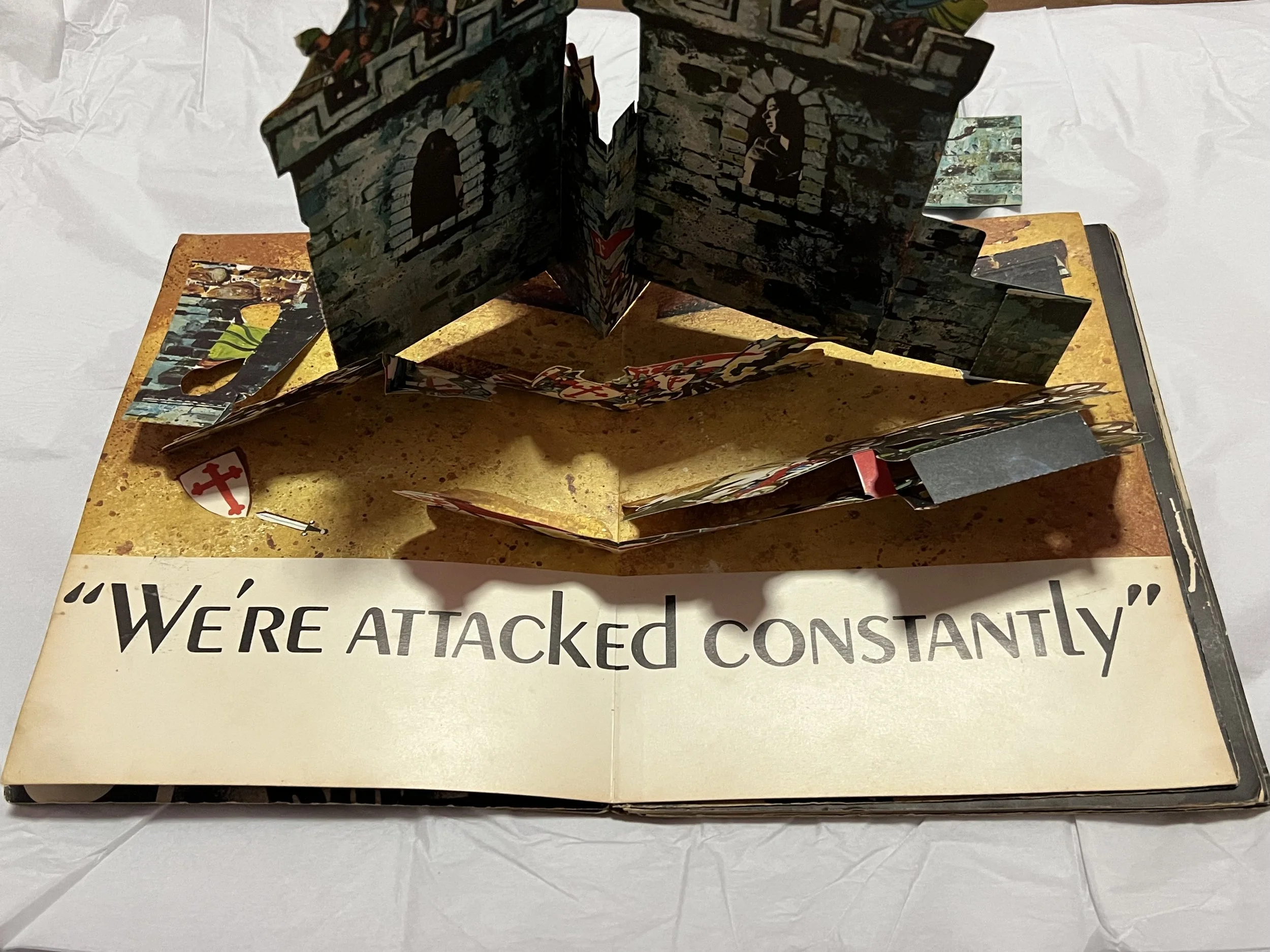
Andy Warhol's Index Book, 1969. Image courtesy of Sean Tay.
Sean’s penchant for experimental methods was honed when he enrolled at La Cambre in Brussels to pursue a Masters in Printmaking. There, he met lecturers who altered how he understood and communicated with images. Coming from a production-heavy BA course, he was challenged to rethink the boundaries of image, printmaking, and the materials involved in printing. Sean’s graduation work, titled “I Wanna Be Scammed By A Skinny Legend, Scam Me”, is a series of paper masks made from waste paper that fellow students had binned, and packing tape he bought in bulk.
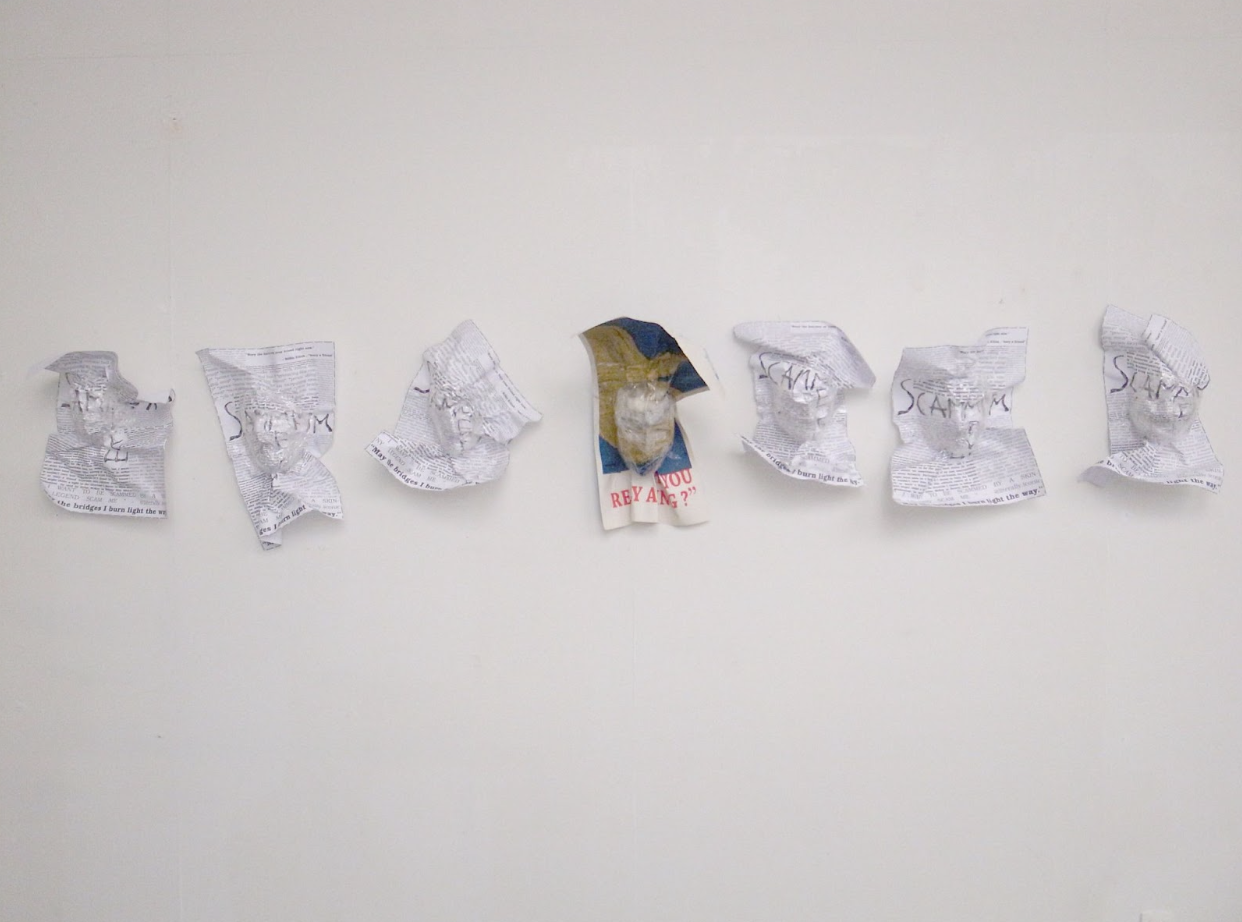
Sean’s MA graduation work, “I Wanna Be Scammed By A Skinny Legend, Scam Me”. Image courtesy of Sean Tay.
It makes sense that Sean’s “bookshop” is not a physical library or shop per se, but a mental space where Sean distills ideas from paper to mind. In 2021, he created Sean’s Bookshop to house his growing collection and his artistic practice.

Brown and terracotta bag charm made from waste paper and packing tape, collection for LABOUR BLOCK 2026. Image courtesy of Sean Tay. Photo by Taufiq Rahman.
His recent works include working with tape and waste paper in collaboration with Dennis Ng of Fawn World at this year’s LABOUR BLOCK weekend, as well as mixing melted wax with used garments to make sculptures, which he showed in a 2023 exhibition Serving Thots curated by Dylan Chan at Ultrasupernew Gallery.


Sean Tay’s suite of sculptures “Don’t Bully Me, I’ll Cum :(“ shown at Serving Thots. Photos by Taufiq Rahman. Images courtesy of Sean Tay.
These outputs are resonant with how Sean has been trained to view print as an open field of research, not an end result, but as a tool or a trigger for an idea. Sean’s Bookshop becomes a record of the brain behind the project—how it practices “print thinking” beyond what we are used to.
The connection between reading, collecting, and making comes naturally, but is not always visible. Sean’s affinity for and expertise with images and materials reveal new ways of reading fashion. “Reading, collecting, versus making the work, they are related but unrelated,” say Sean. “The relationship doesn't start as something that feeds on itself. The connection comes after.”
Sean refers to this process as an atlas of images, referencing German theorist Aby Warburg’s concept of the mnemosyne atlas, which he describes as a mind so clear that he could walk around in his head. This clarity is translated into output that challenges the conventions of printmaking.“It is a living map of the images I've encountered after all these years,” Sean continues, “You get certain ideas from reading, but you won't necessarily act on them. It’s more of a storage system for organised chaos.”
Walking away from Goodman Arts Centre, I reflected on what compelled me to Sean’s practice and to buy My Green Carnation. I believe it comes from the awe and admiration I have for image and printmakers who adopt the precise lack of text to allow for material to speak. They show that legibility of text is not necessary when material speaks volumes. This, to me, is the audacity that I want to see increasingly memorialised in print.
About the writer
Xingyun Shen is a fashion researcher, educator, and co-founder of the publishing project Clothes Press. Since 2020, she has been keeping a running list of literary quotations on clothing and dress drawn from her reading. She currently lives and works in Singapore.