
From Tiong Bahru to an editorial platform and gathering series
Fashion X Business is a column that looks at how Southeast Asian fashion businesses are built to last.
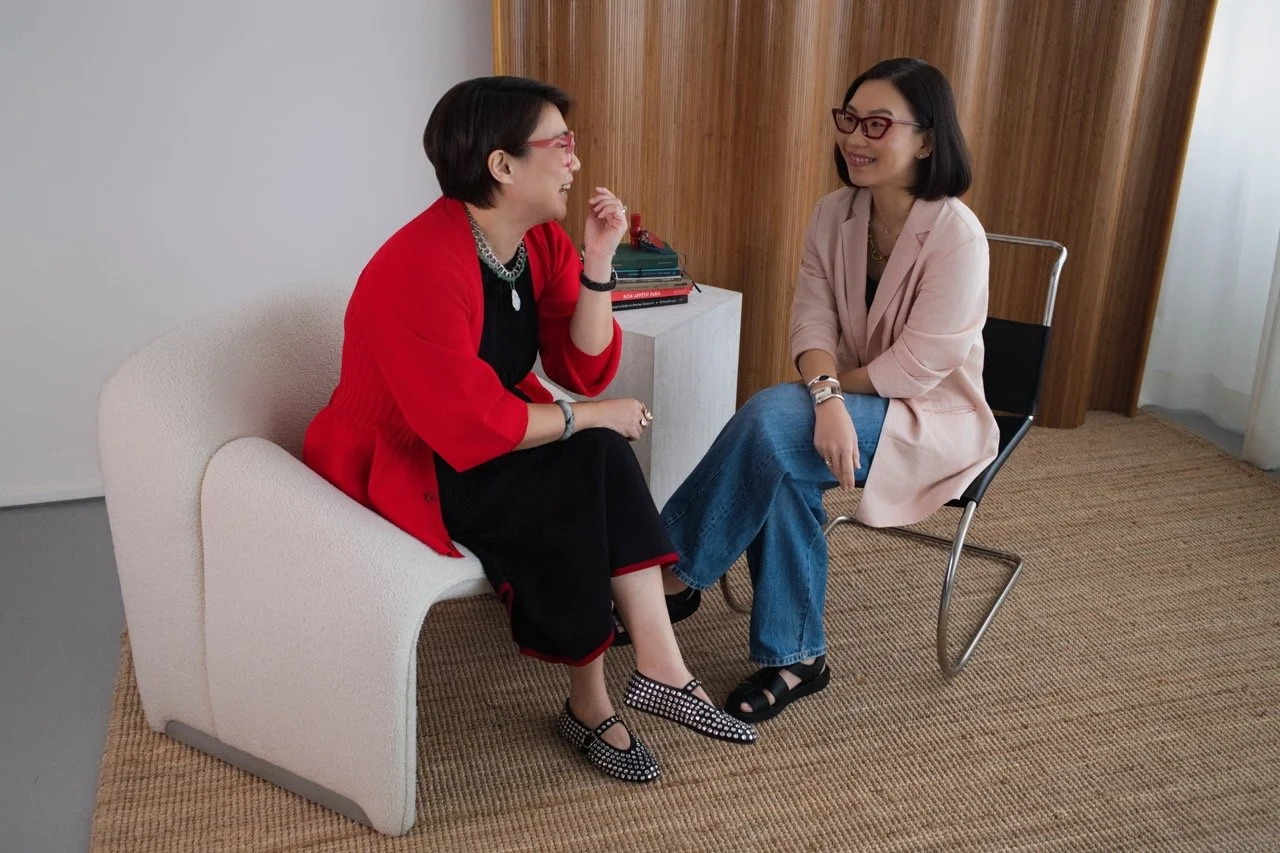
Tan Chiew Ling and Georgina Koh launch TONG by Nana & Bird. Image courtesy of TONG by Nana & Bird.
For nearly 14 years, Nana & Bird was a defining fixture of Singapore’s independent retail ecosystem. Founded in October 2010 as a monthly pop-up in a Tiong Bahru walk-up apartment before putting down roots on Yong Siak Street, the boutique carved out a space where a keen selection met accessible pricing. At its helm were classmates turned lifelong friends Tan Chiew Ling and Georgina Koh, who built a self-funded business guided by a single principle: only stock what they would wear or use themselves.
When the duo closed their flagship doors in June 2024, it marked both the end of a retail chapter and the beginning of a two-year creative reset. Stepping away from the daily operational demands of rent, manpower, and brick-and-mortar merchandising gave the founders room to re-examine how people discover independent makers.
Chiew Ling and Georgina are inaugurating their next phase with TONG (同)—an editorial platform and gathering series that launched this month. Named after the Chinese character for "together", found in 同学 tóng xué, classmates, and 同伴 tóng bàn, companions, TONG moves beyond pure retail to explore fashion, craft, literature, food, and design through a relational Asian lens. In this Fashion X Business case study, the founders reflect on sustaining a self-funded boutique, learning when to say no, and building a new model for creative partnership across Singapore and beyond.
Nana & Bird is celebrating 16 years. What are your feelings and thoughts about achieving this milestone?
We ran Nana & Bird for nearly 14 years before closing our flagship on Yong Siak Street in June 2024. There was a whole mix of emotions, from relief to sadness. It was, after all, our happy place, where our children spent their afternoons while we tended to customers. It was also our creative outlet. Every brand we brought in was chosen with care, and our customers could tell. That care is what they came to us for. Looking back, we are proud to have contributed to Singapore’s retail landscape.
Now, after a two-year break, we are excited to be starting again. It takes us back to our first pop-up in Georgina’s flat in Tiong Bahru: the excitement, the anticipation, and the thrill of creating something new.
“Every brand we brought in was chosen with care, and our customers could tell. That care is what they came to us for.”
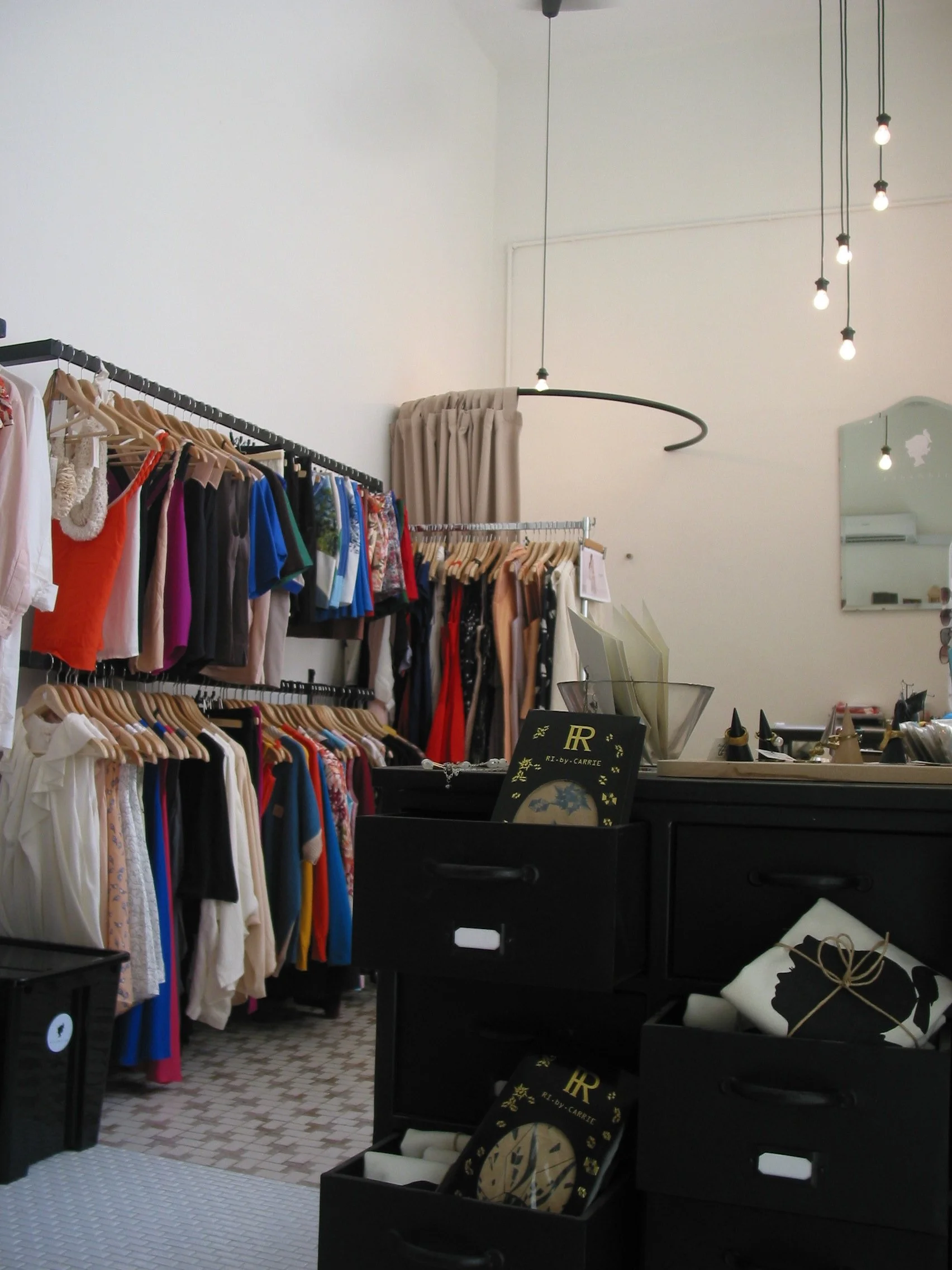
Nana & Bird at Chay Yan Street. Image courtesy of TONG by Nana & Bird.
Let us go back to the beginning. How did the business come about, and when would you say it officially launched?
We met in junior college and have been friends ever since. When we both turned 30, we decided it was time to do something we could call our own.
At the time, we saw a gap in Singapore’s retail scene. There were few places to find independent labels at an accessible price point, and few shops with the intimacy of the boutiques we had experienced overseas. We wanted to create that here.
Nana & Bird launched in October 2010 as a monthly pop-up in Georgina’s walk-up apartment in Tiong Bahru, and became a brick-and-mortar store in 2012.
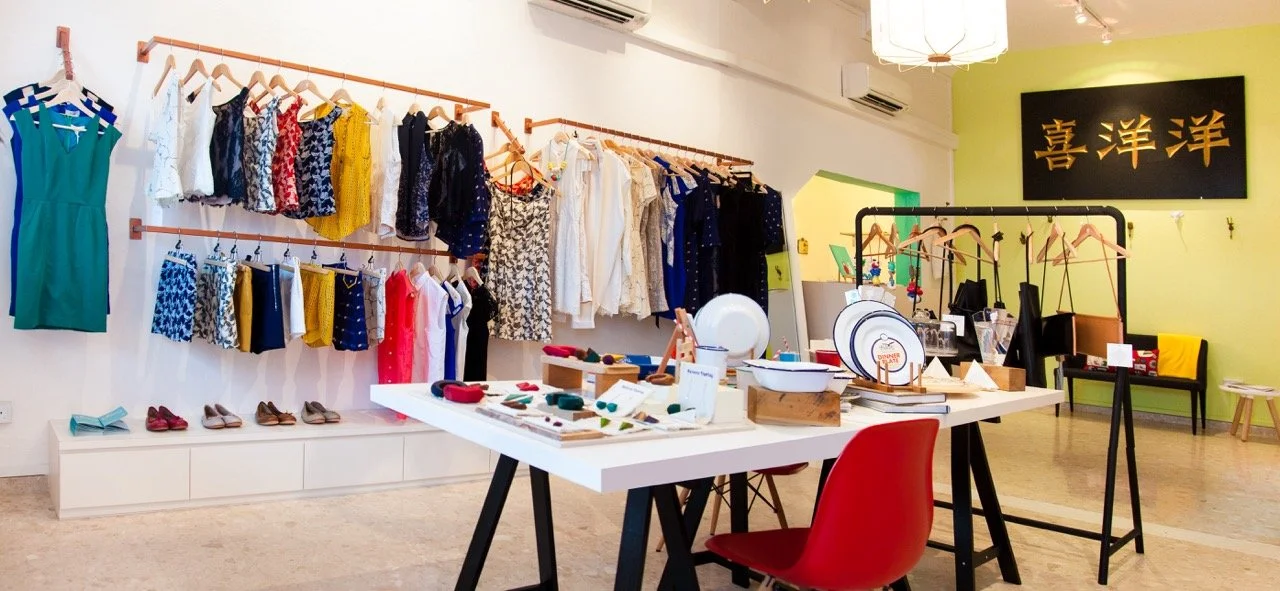
Nana & Bird on Eng Hoon Street. Image courtesy of TONG by Nana & Bird.
How would you articulate the unique selling point of your business?
We have always kept to one rule: we only sell what we would wear or use ourselves. That makes us our own first customers.
We share the same taste in what we wear, what we put in our homes and the spaces we feel comfortable in. But we are also two individuals with our own preferences, and everything we bring in has to win both of us over. That duality makes our curation stronger.
Ultimately, it comes down to mutual respect: for each other, for the partners we work with and for our customers. A store and its brands can easily end up with a purely transactional relationship. We never wanted that.
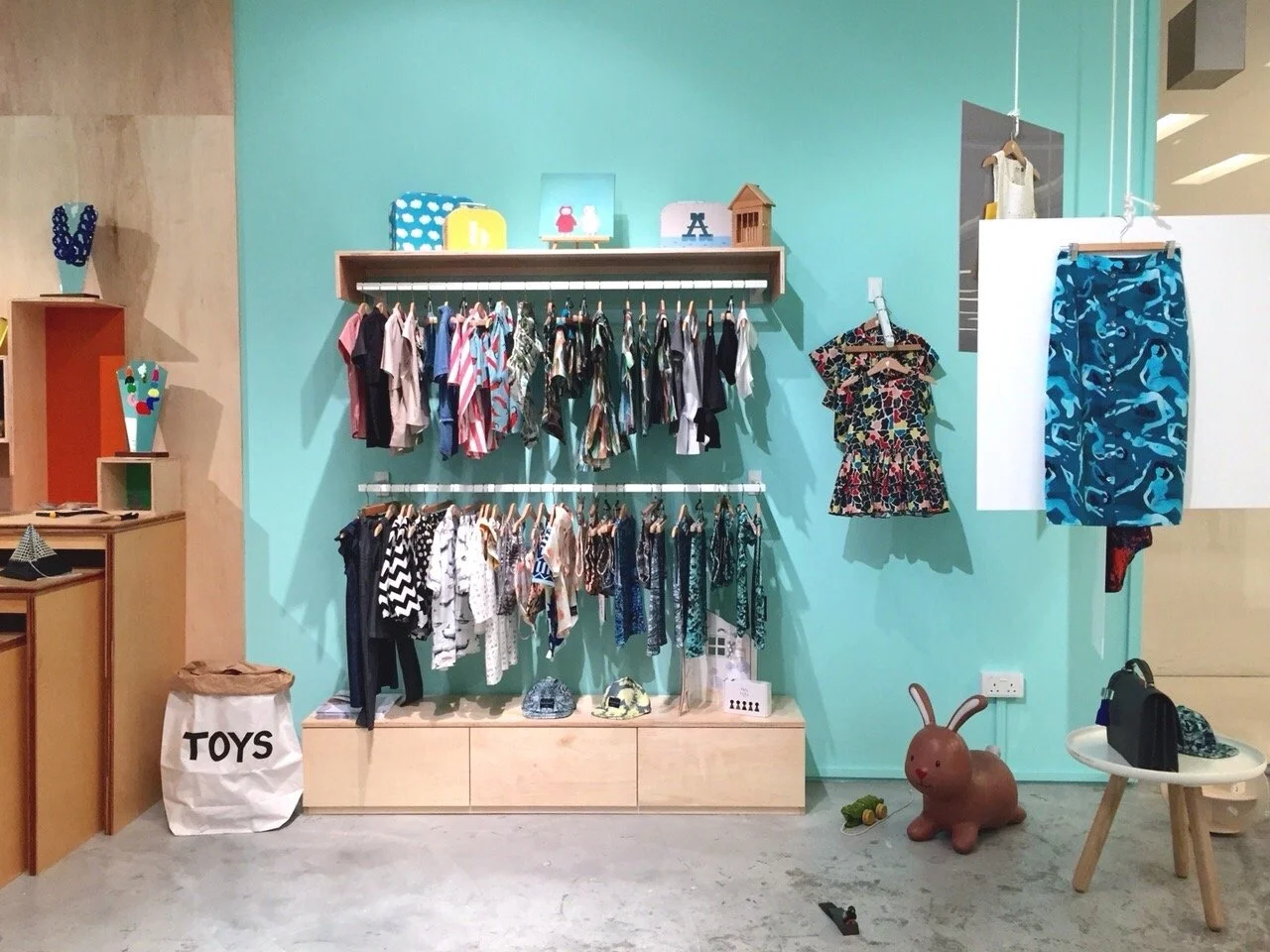
Nana & Bird partnered with Kinetic on K+ Nana & Bird at Scotts Square. Image courtesy of TONG by Nana & Bird.
How have you balanced catering to your existing audience while appealing to new ones at home, and abroad?
We don’t set out to cater to one audience or another. We focus on what we want to create. Our ethos stays the same; how we express it changes with the people we work with.
That has brought us to new audiences in different ways. Abroad, we ran a six-month Nana & Bird pop-up in Shanghai with Rachelle Jim, and curated accessories for Catie Lo’s multi-label store there. At home, we partnered with Kinetic on K+ Nana & Bird at Scotts Square, and curated and styled looks for 20 women for Style on the Go with The Style Atelier.
“We focus on what we want to create. Our ethos stays the same; how we express it changes with the people we work with.”
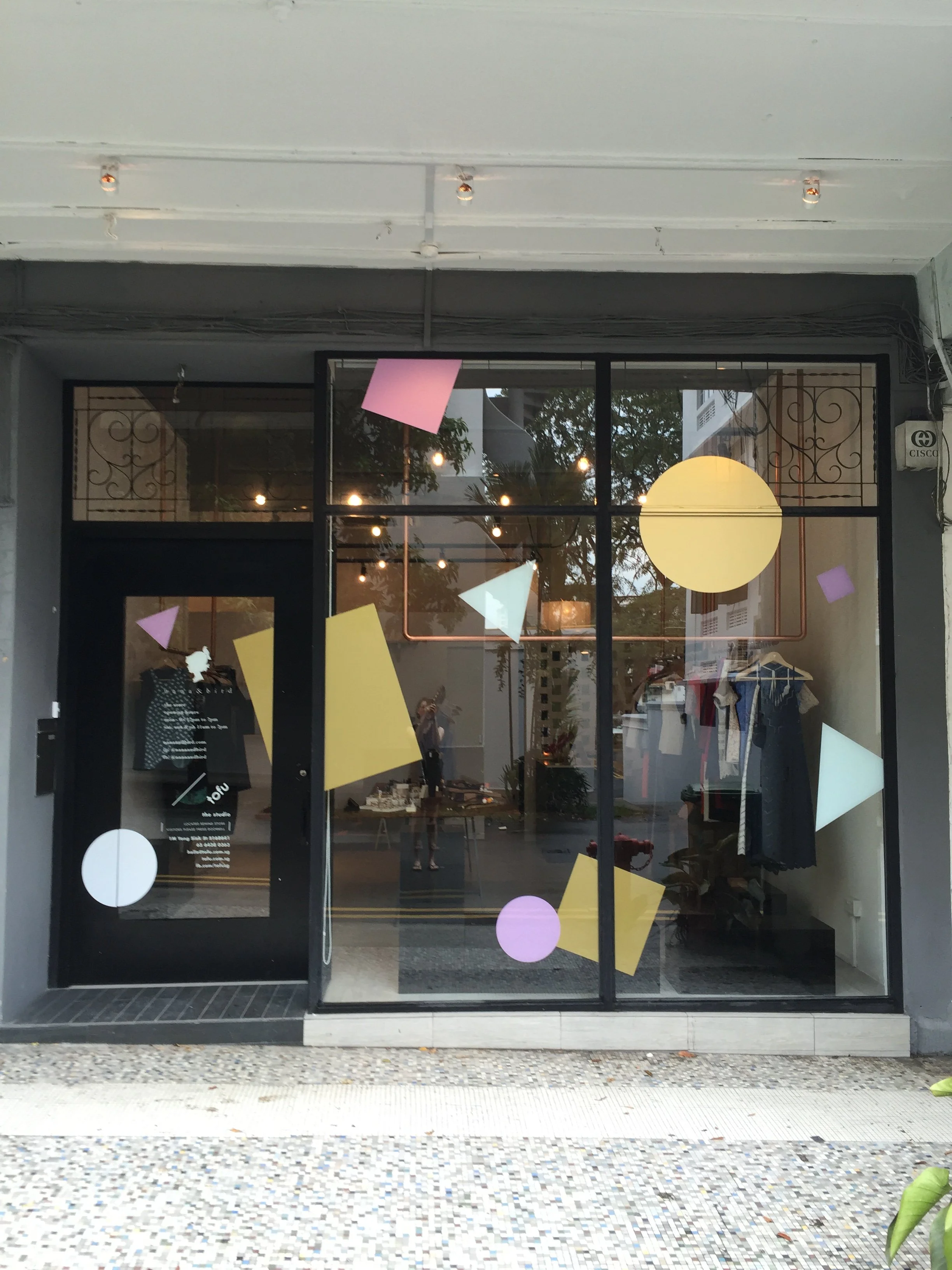
Nana & Bird at Yong Siak Street. Image courtesy of TONG by Nana & Bird.
How has your approach to Nana & Bird evolved, if at all, over the years? What is your creative process? This can be answered both individually and collectively.
Chiew Ling: When we started, our approach to Nana & Bird was quite pure. In the first few years, we had to establish our curation and what “shopping at Nana & Bird” actually meant: what the brand was, and the experience we wanted to give everyone who walked through our door. It was sincere, I would say. Early on, the creative process was a lot of trying and iterating as we went along. There was a certain naivety to it, which I really love.
As we grew and became more established in Singapore, I felt that we played it a bit safer and grew more careful with our curation. We also cared more about the bottom line. The final year before we decided to close wasn’t my best work at Nana & Bird. We were trying to give the audience what we thought they wanted and what we thought would sell, and we strayed a bit from what we, as curators, wanted to put across.
Georgina: Without a physical space to run, we feel free again to create and dream. I am drawn to things, often outside fashion, that take me somewhere different, the way Ted Chiang’s stories draw you into the world he creates. I sit with them, and when I come across something tangentially related, I look them up again. Chiew Ling does the same. We share things with each other as soon as they catch our interest, and they become our references later when we brainstorm. Then we push each other, and debate until we land somewhere that sits right with both of us.
What experience has given us is a clearer view of the world through an Asian lens. So much commentary today says the same thing, and it is hard to be original. What can be original to us is how we read what we know, much of it shaped by a Western view, through an Asian context that is more relational. You can see it in how we work with brands. It is not only about what sells. Does the founder have a point of view, and can we play a part in nurturing it?
“Without a physical space to run, we feel free again to create and dream.”
What has made you say yes to collaborators over the years, and how have they contributed to the success of Nana & Bird?
We usually connect with people first, and find out who they are. Even if the product and the brand are strong, a partnership is hard to sustain if we don’t connect as people.
Beyond that, the collaborators we said yes to had three things in common: craft in their products, a strong brand proposition, and a designer as interesting as the brand.
TOW TOW, a Singapore bag brand we worked with is a good example. From the start, we knew they were special. They make good bags and are willing to improve their craft with every collection. The women behind the brand had interesting backgrounds before they started TOW TOW, and the brand has a clear proposition: they 3D-print all the hardware on their bags.
Shoppers have no lack of options today, so when something has clearly been chosen to earn its place in a store, it means more. The shop did well when we introduced new brands that were well made, worked well, and that people could see becoming part of their lives. Our customers knew someone had cared.
We are proud every time one of our brands reaches a new milestone, such as being picked up by a bigger retailer. If they win, we win too.
How do you work on the positioning and reach of Nana & Bird? Is there a marketing formula that is tried and tested? This could be through your own channels, working with established magazines or other platforms.
If there is a formula, it is that building a strong brand is still fundamental. People need to know what you stand for. For us, that meant presenting the brand through the store and the experience we designed in it. Those things endure.
Marketing channels, social media platforms and the next big influencer come and go. We don’t want to be renting audiences, or engineering a viral moment just to get attention. That kind of attention doesn’t last.
What has worked for us is staying committed to communicating what we believe in. Our curation at Nana & Bird was strongest when we did that, and so was the response from our customers. The press we received, from Time Out Singapore and The Straits Times to Condé Nast Traveller and Tatler Asia, came from what we were doing in the store.
We are carrying the same thinking into what we are building next. The brand can show up in the stories we tell and the gatherings we host. In the end, it is the feeling people leave with that stays.
How do you measure the success of your business? The indicators can be quantitative or qualitative, or a mix of both.
The numbers matter. We tracked annual revenue, monthly sales and conversion on Shopify, and watched how Instagram brought people to the store and the site.
But revenue alone never told us whether we were doing it well. We also asked whether the brands we worked with did better because of us. Were they more visible, in Singapore and beyond? And we asked how Nana & Bird was seen, at home and in the regional and international press. Were we making Singapore’s retail scene a little more vibrant creatively and, to some extent, culturally?
We have been self-funded from the start, so the business has always had to pay for itself. Beyond that, success was a shop we were happy to run, and customers and partners who were glad it existed.
What is the single biggest challenge of running the business? Conversely, what are the pleasures of running it?
Running a boutique in Singapore is hard: manpower, rent and the back end of a retail business. There were times we felt defeated. But the single biggest challenge was learning to say no, and knowing what to focus on. We once took on a partnership to expand into menswear. We overextended ourselves and kept trying to make it work, but our ethos and our partner’s were different. We should have stayed focused and said no.
The pleasure was always our friendship. It kept us going when things got really hard. But Nana & Bird has never been only about the two of us. As mothers, it has also been a way of showing our children what hard work looks like, what it means to dare to dream, and that they have the agency to decide what success means to them.
Tell us more about the key members of the team that makes the business work as a whole.
Nana & Bird was the two of us. We split the planning, operations, design, merchandising and marketing between us. But that alone doesn’t keep a store running. From day one, we were blessed with a great team of interns and long-term staff who were committed to the shop and to us.
Along the way, our collaborators became part of the team too. They trusted us with their brands and products, and worked with us as partners.
Most importantly, Nana & Bird would not have been possible without our husbands. They gave us the space to dream, encouraged us to, and took care of the kids while we were on the shop floor.
It took all of them to keep Nana & Bird going for nearly 14 years.
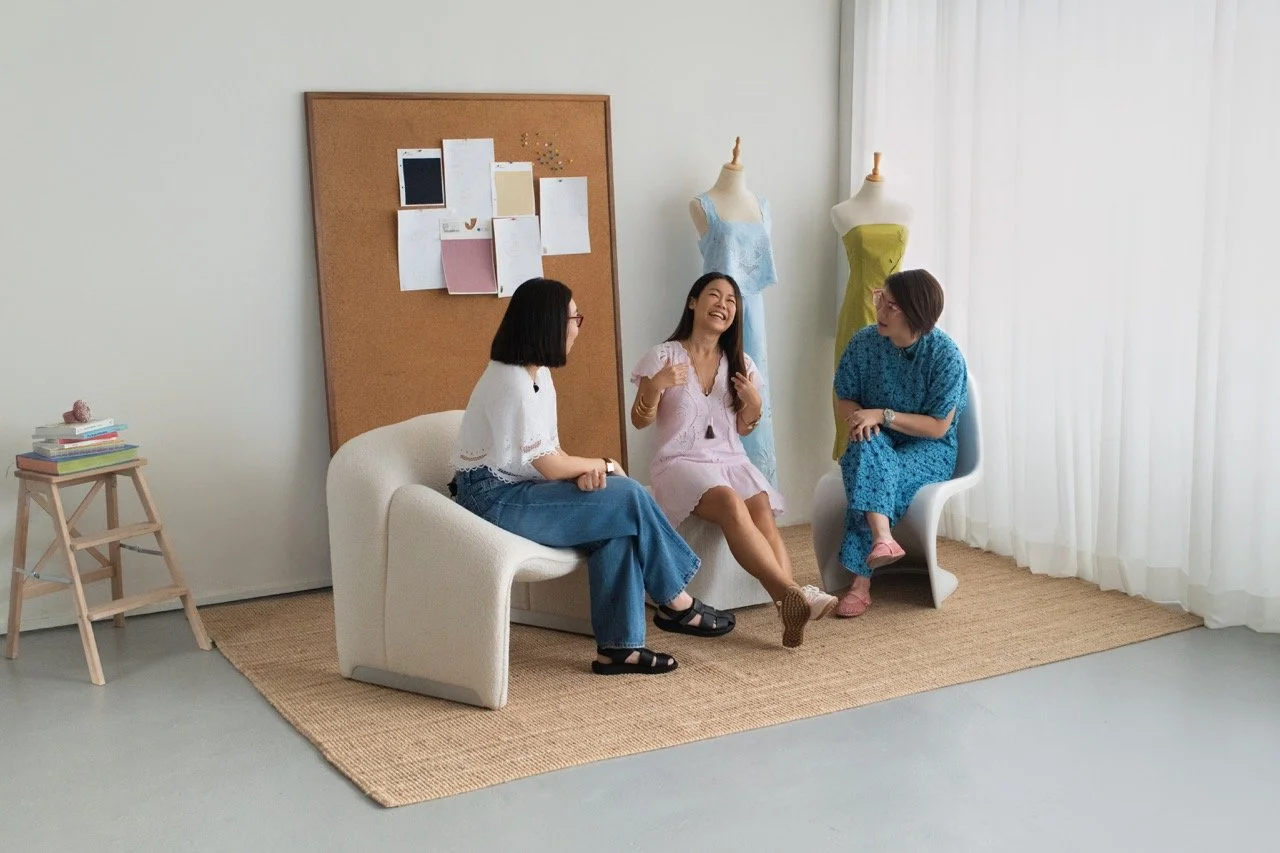
Georgina Koh and Tan Chiew Ling of TONG by Nana & Bird speaking with Danelle Woo of Aijek. Image courtesy of TONG by Nana & Bird.
How are you planning to further develop the business? This could be something you have already put into motion, or plan to do soon.
When we started Nana & Bird, the gap was access: independent labels at an accessible price point, in a space that felt intimate. Today, we are introduced to brands all the time through social media, but the algorithm tends to show us more of what we already like. The serendipity of coming across something new and original is harder to come by.
We knew we didn’t want to open another shop. What stayed with people who shopped at Nana & Bird was discovering a new brand through us, and coming to love the story behind the maker or the product. We wanted to carry that into something new, and take it deeper: a new way of discovering and engaging with brands, and a new way of partnering with them. And more than just about fashion.
So on 4 November 2026, we launched TONG (同).
We didn’t want to call the new venture Nana & Bird. The name is too closely tied to the store.
TONG came to us easily. 同 as in 同学 tóng xué and 同伴 tóng bàn: classmates and companions. We were classmates first. It means doing things together, and sharing a sensibility.
It also guides how we want to work with our collaborators. Doing things together means building partnerships where both sides win: we grow with the makers we feature, and they grow with us.
TONG is an editorial platform. It is where we try to name something we have always felt deep down and never quite managed to say: what it means to see the world through an Asian lens. Each month, we publish long-form stories at t-o-n-g.co about makers worth knowing across nine worlds: fashion, craft, literature, home, beauty, wellness, food, travel and art, in Asia and beyond.
Through the year we will host gatherings where readers meet makers and see their work in person. What we share will be closer to a letter between friends than a feed. It carries so much of how we came to know each other, and of Nana & Bird’s journey, which has brought along a circle of designers, makers, customers and friends.
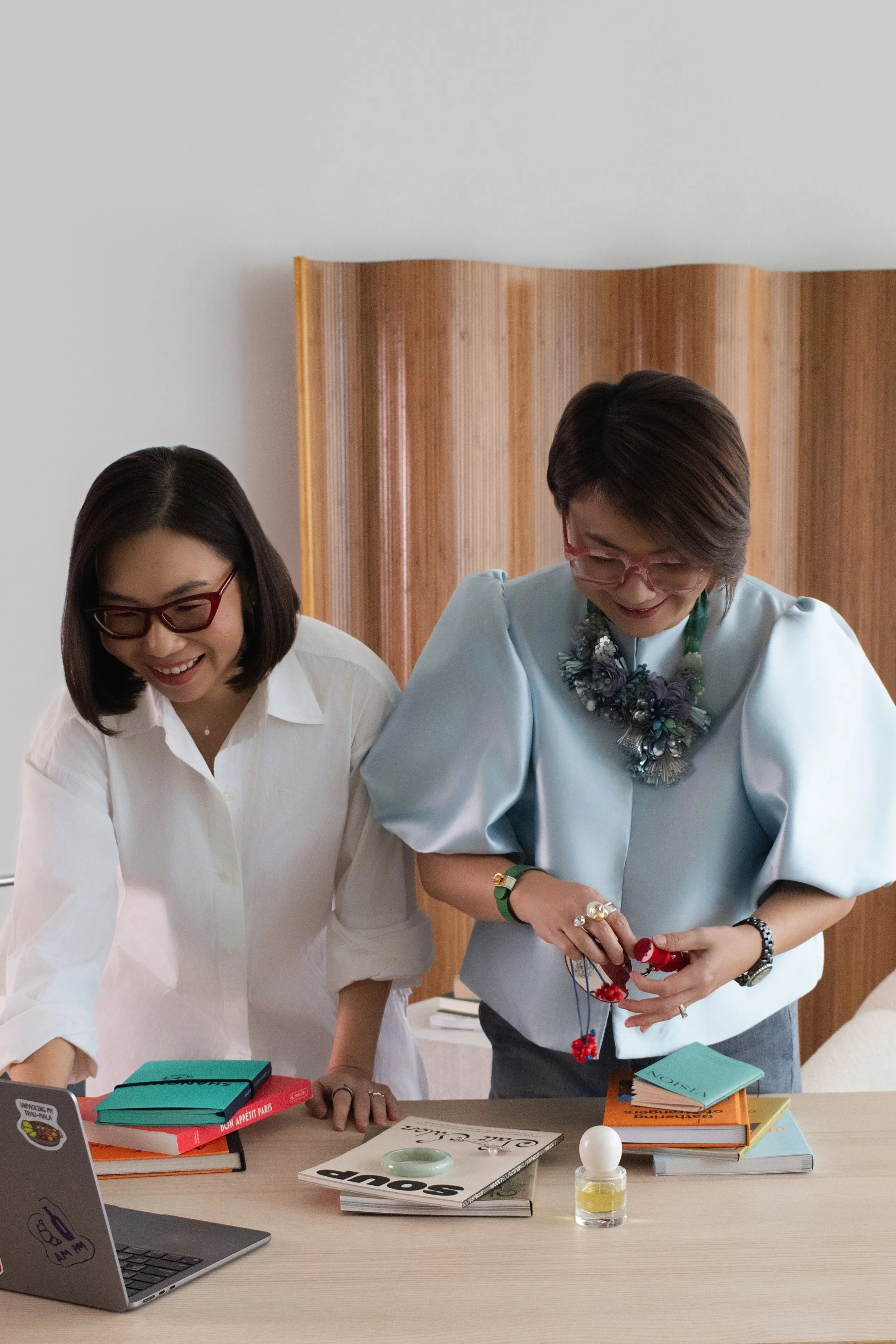
Georgina Koh and Tan Chiew Ling working on TONG by Nana & Bird.
What can we expect from Nana & Bird as we go into 2027?
In 2027, we will host a TONG gathering every quarter. Our launch brought together three brands. The gatherings that follow will feature makers from other worlds, and we are aiming to take one of them outside Singapore, to another city in Asia. We want every time we show up to be different.
We will go off on tangents when exploring a topic, and sometimes hit dead ends. That is how a point of view gets formed. It is also what we hope TONG will be: a friend, and also the one who challenges you.
Follow TONG by Nana & Bird at t-o-n-g.co and on Instagram @tongbynanaandbird.