
Indonesian doctor and designer on her namesake label
F&M’s Fresh Face is a series featuring young Southeast Asian fashion practitioners, where we speak with them about how they embarked on their careers and what propels them as creatives.
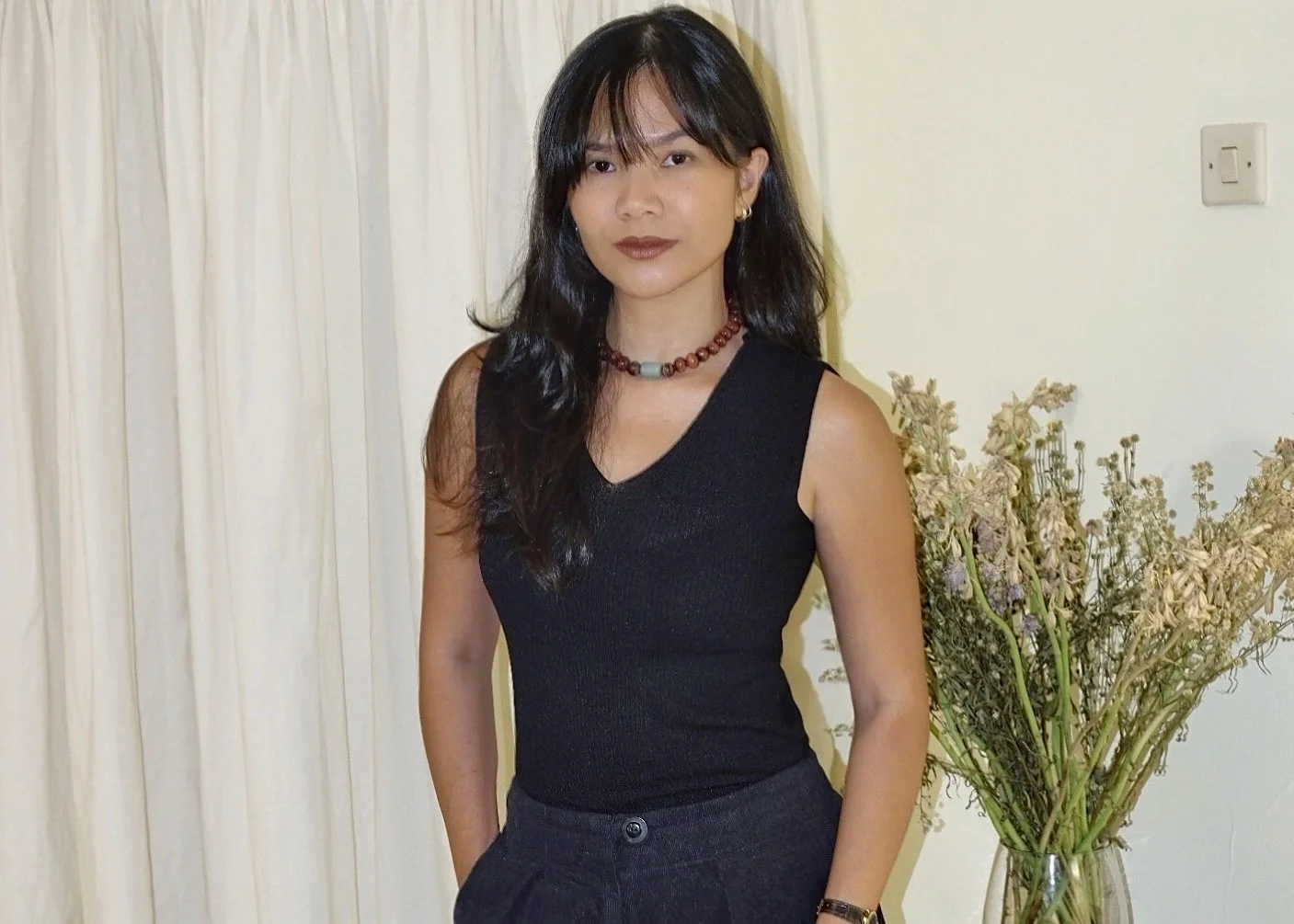
Hastu is the founder of Tu., a label born on the island of Bali in 2020. Fashion is where she channels her creative energy, and over the years it has become a space to express a different side of herself alongside her work as a doctor. Tu. makes both ready-to-wear and bespoke pieces, pairing clean tailoring and sleek leather with organic, delicate trims and embellishments. In this interview, she reflects on founding Tu. and the practice of close attention that guides her design process.
To start, could you tell us a little about your background and how you found your way into fashion? What or who are the main influences your work draws upon?
My earliest memories of making clothes are with my mum, my aunt and my grandma. My grandma loved to crochet, and I remember how peaceful and fascinating it was to watch her work. They were the ones who introduced me to this craft, and it has stayed with me through every phase of my life.
I am drawn to the things around me, especially when feelings and ideas are expressed through the most ordinary objects. That sensitivity still shapes how I see the world and what I make.
As a kid, I started making things for myself, like draped dresses and accessories. I am lucky that my family has encouraged me to experiment. To me, creativity in fashion has no limits. I see that whatever we make can be seen as art, and as an expression of ourselves.
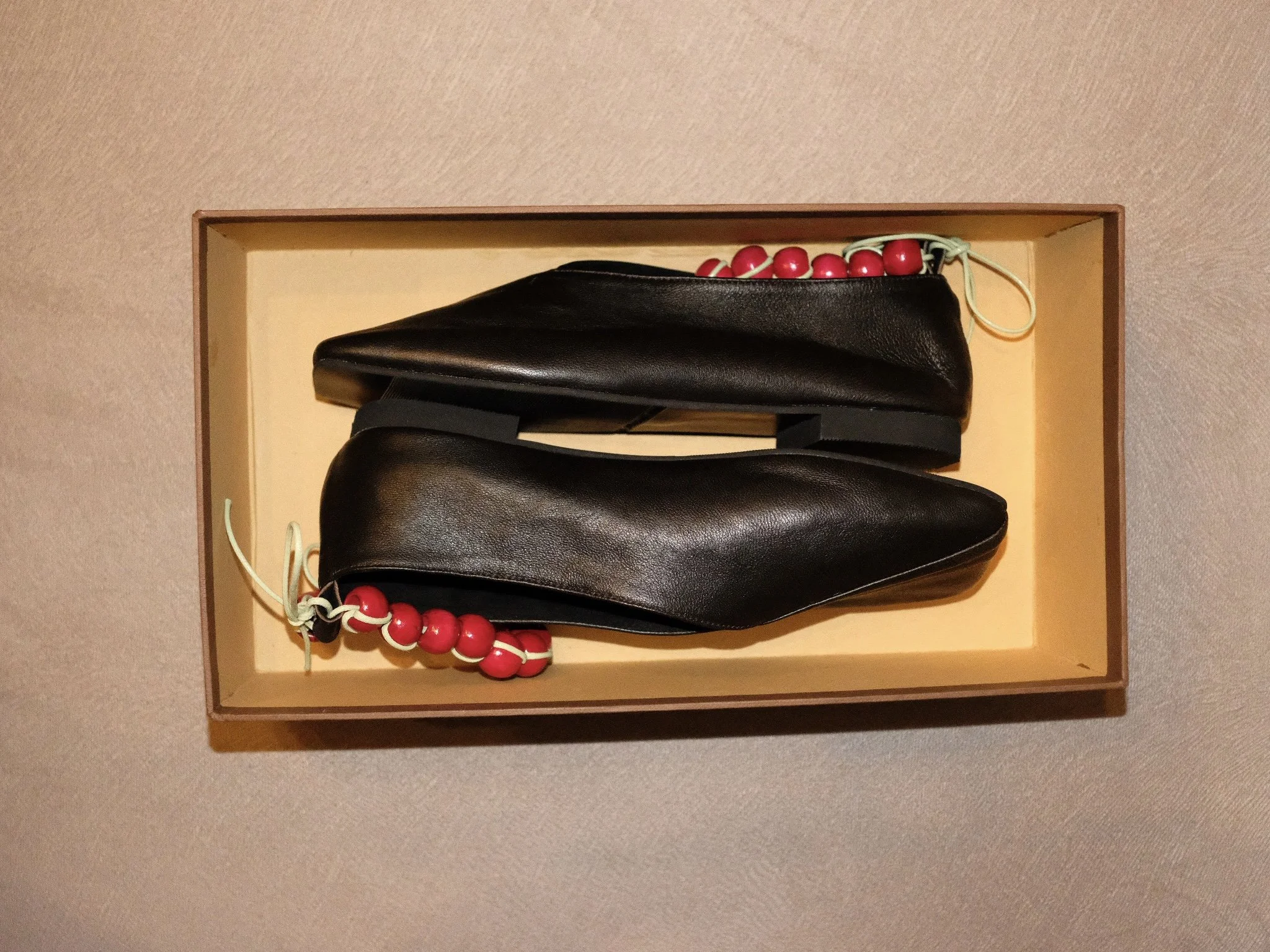
The Lulla flats. Image courtesy of the brand.
Could you describe how Tu. came to life? What is the story behind it, and where did the name come from?
Tu. began as a platform for me to make things. I did not imagine it would grow into what it is today. So many people who came across the brand have shown it love and support, and I a beyond grateful for how far it has come over the years.
It has become an important place for me to express my thoughts, ideas and feelings. The brand has always been an extension of myself, which is why it is named Tu., a short form of my name.
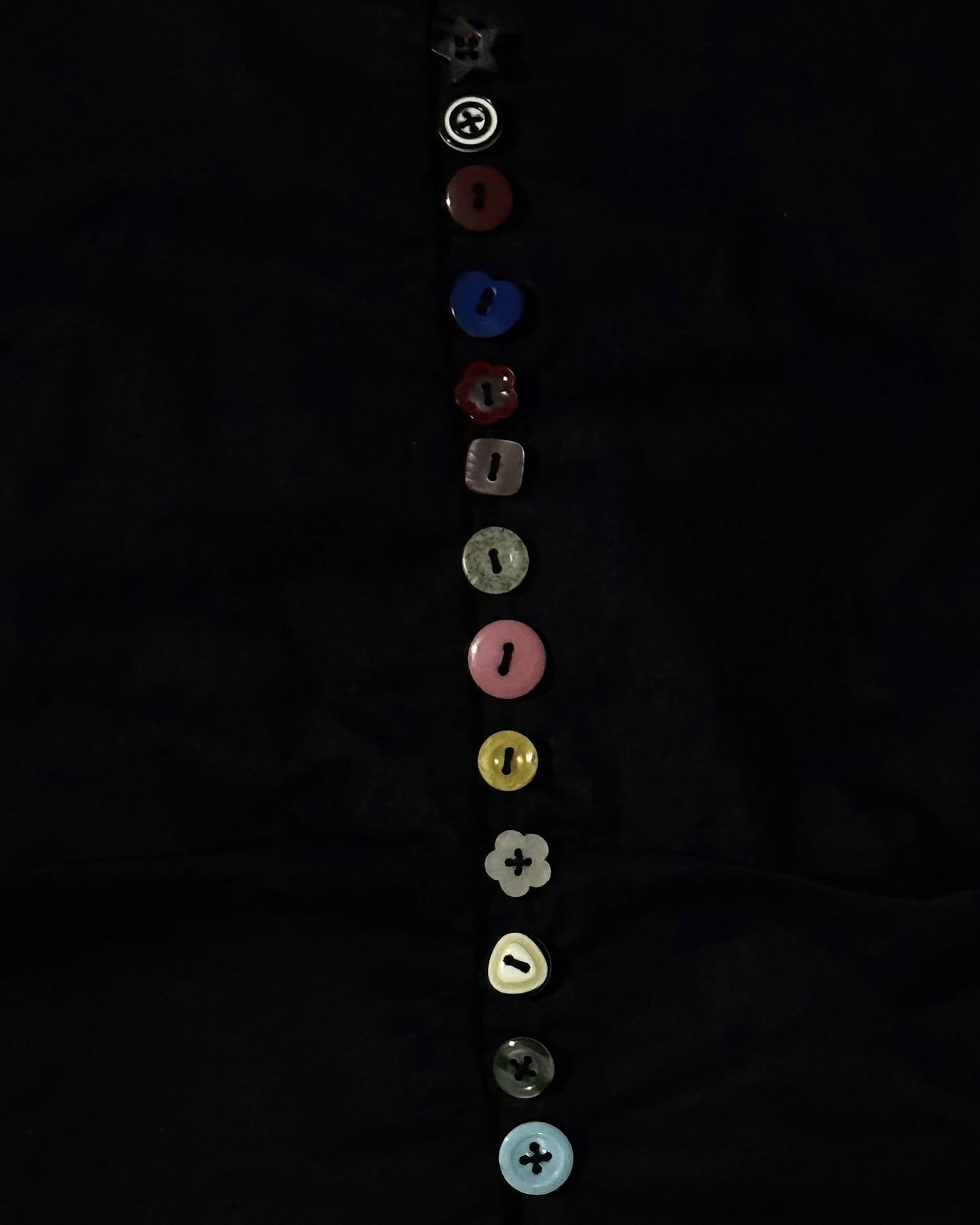
The Sizzy shirt. Image courtesy of the brand.
Your pieces carry a lot of quiet detail: mismatched vintage buttons, lace edging on tailored trousers, small beaded fastenings. Which piece would you point to as the most “Tu.”, and why?
Every piece carries the identity of Tu., even if it takes a different form each time. I envisioned each one as having its own personality, unapologetic and all. They are all unique in their own way, and I believe there is a piece for everyone who feels inclined to express themselves freely.
The tension of island ease against urban tempo seems to sit right at the centre of the label. How does it show up in the garments and objects you create for the brand?
Tu. is an island girl at heart. She is carefree and unhurried, and someone who takes the time to stop and smell the flowers.
The brand draws its inspiration from everyday things: objects, activities, buildings, nature, shapes and colors. I play a lot with the textures, colors, and irregularities I find in the things I have exposed myself to. Look closer and things are often different from what they seem at a distance, and the same is true the other way around.
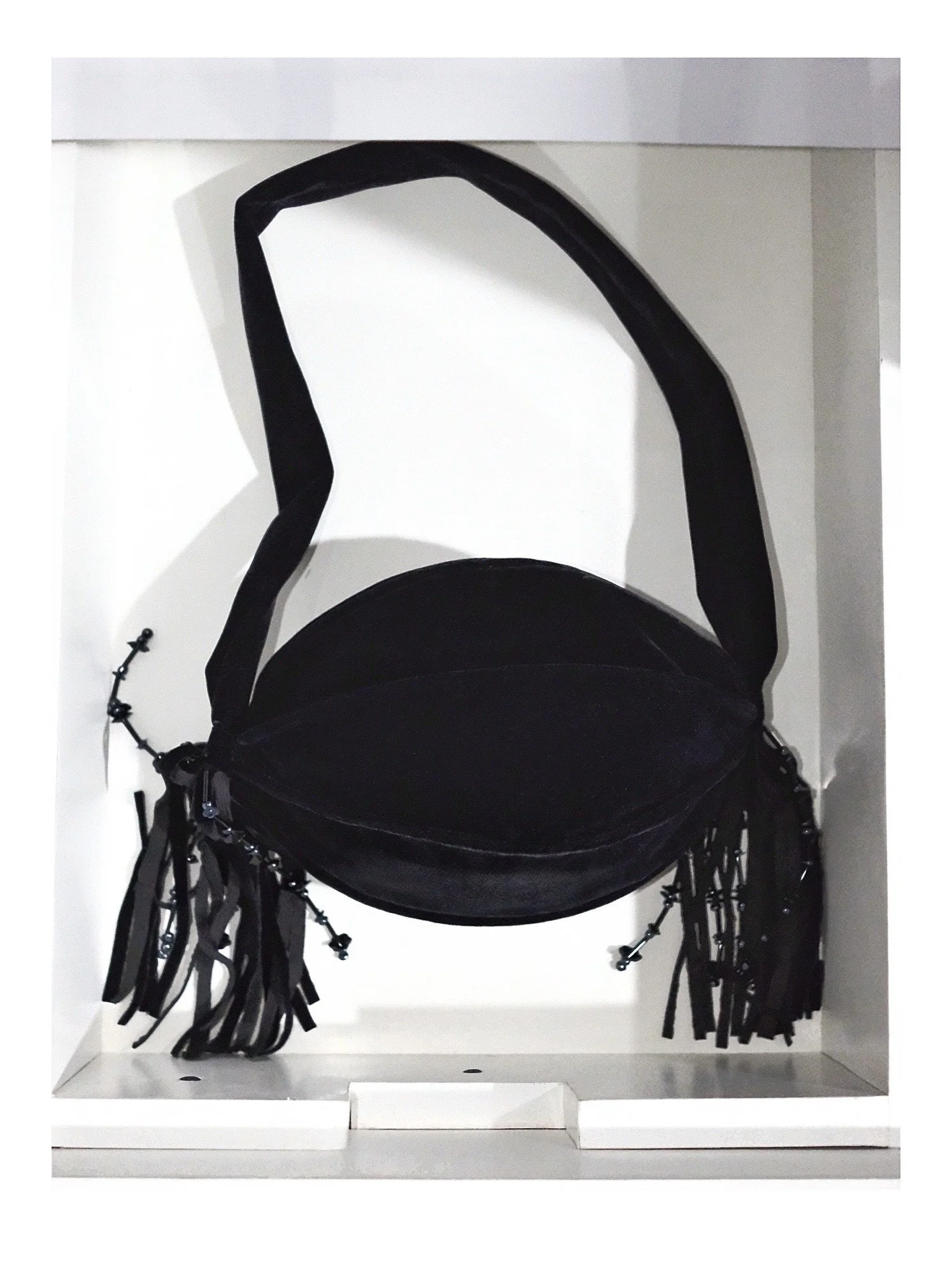
The starfruit-shaped Lemmi bag. Image courtesy of the brand.
Pieces like the Lulla flats and the starfruit-shaped Lemmi bag seem to come from close observation of ordinary things. Could you tell us how an accessory or shoe usually comes to be, from the first idea to the finished object?
It starts with close observation of the things around me. I believe the most ordinary things offer insight and inspiration.I am looking for what is hiding in them: a shape, a texture, a color, the way something is put together. Things that seem unremarkable at first often turn out to be the most interesting once you take the time to look closely.
“Things that seem unremarkable at first often turn out to be the most interesting once you take the time to look closely.”
From there, I like to challenge myself to put my own interpretation on them, to take something familiar and see it differently. That is the part I enjoy most, because it turns everyday things into something new, with a bit of play and personality in it.
Then I translate that idea into a finished piece, one that carries the spirit of what first caught my attention. Above all, I hope each piece brings joy to the person wearing it.
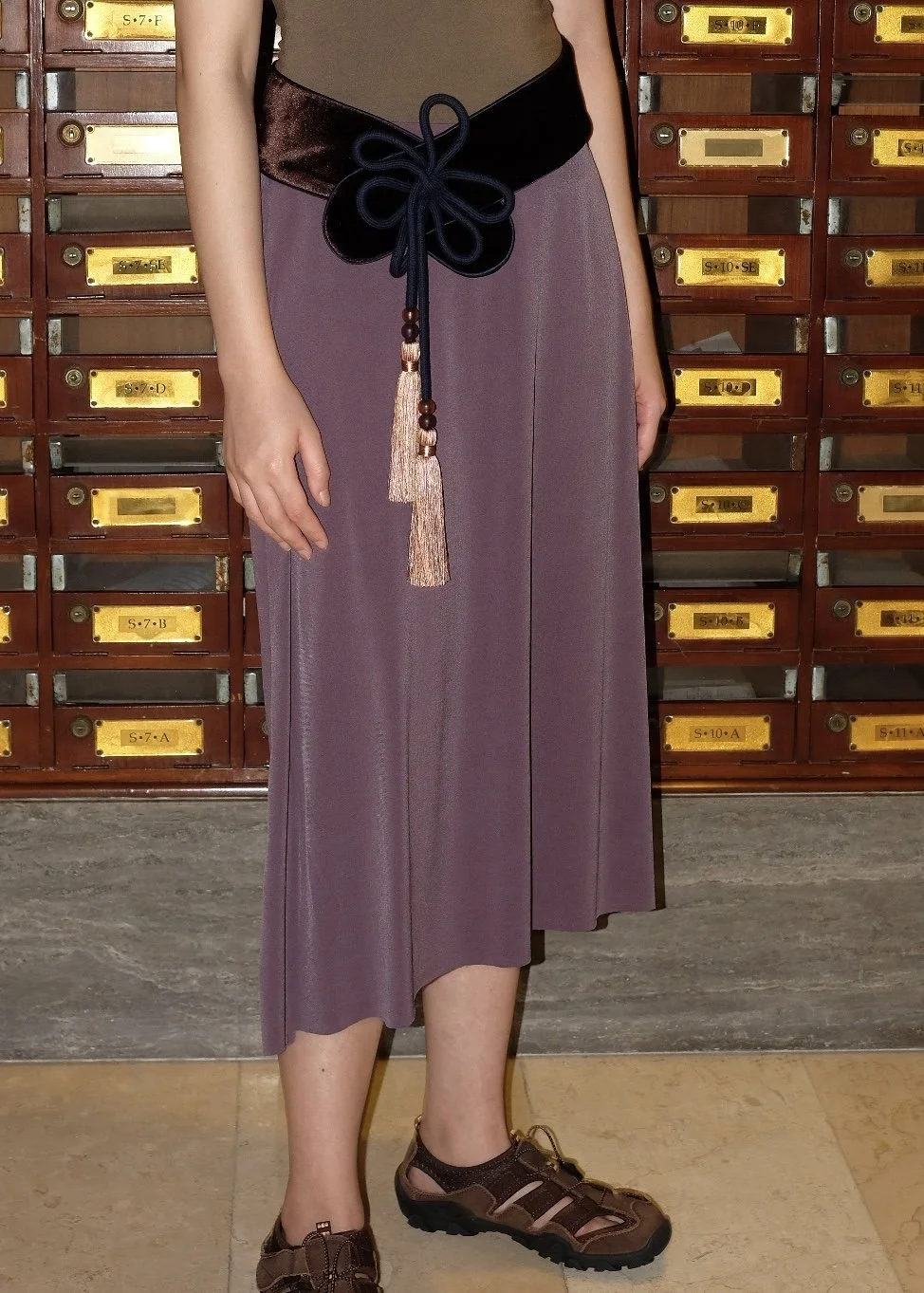
The Micca skirt. Image courtesy of the brand.
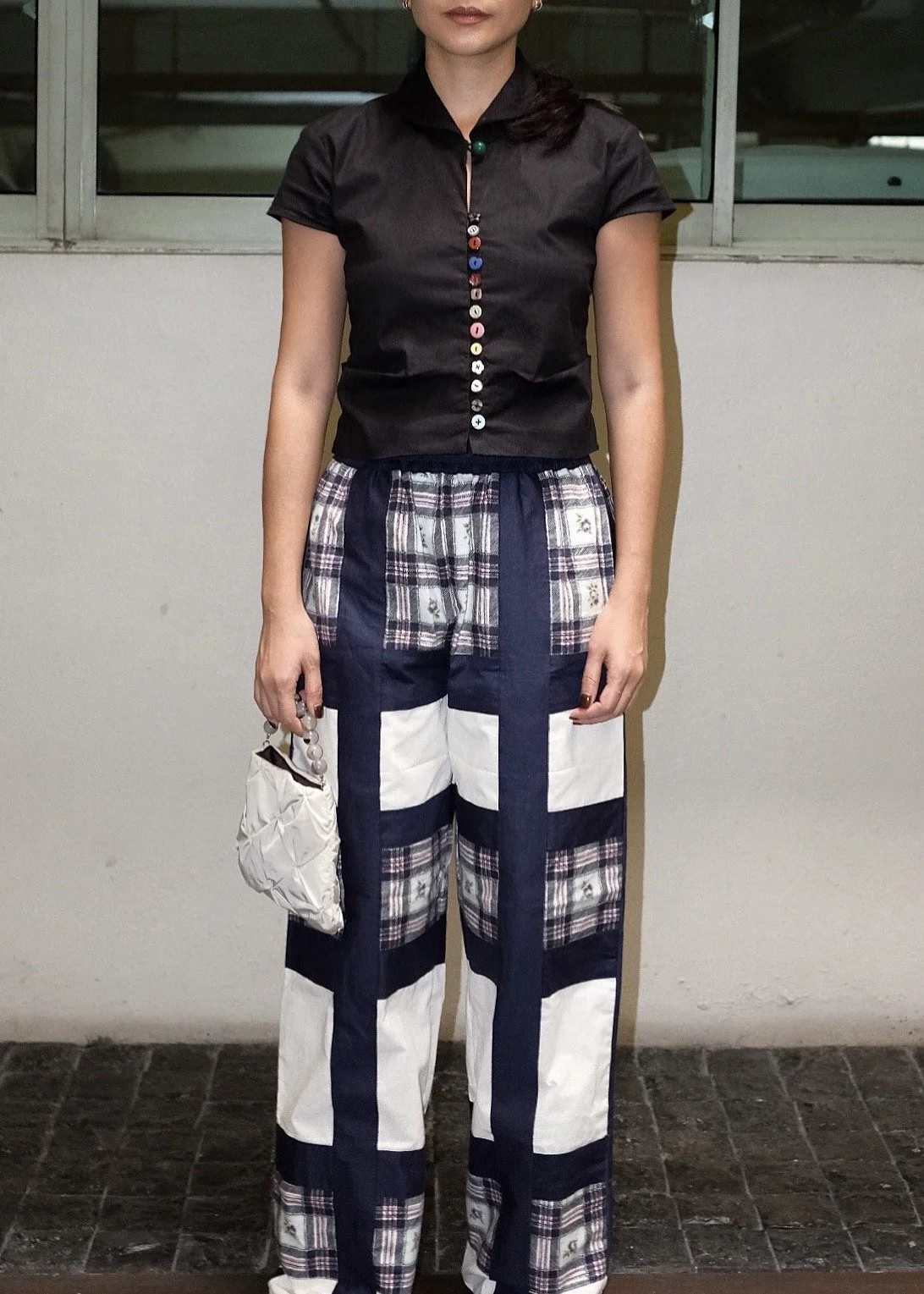
The Sizzy pants. Image courtesy of the brand.
As an emerging Southeast Asian label working between Bali and the wider fashion world, what are some of the key challenges you face and the opportunities you find yourself reaching for?
We have seen amazing progress in the development of local brands over the years, along with real opportunities for them to flourish. There are now so many avenues for brands to establish themselves. The broader perceptions of local brands have changed for the better, and it is wonderful to see that shift.
Today you can find an abundance of brands putting out beautiful products, so as a consumer, your choices are no longer limited. That variety says a lot about how far the local scene has come, and about the talent and care behind it.
We hope that support continues, and that Indonesian brands keep growing across Southeast Asia and beyond.
What are your hopes for the Indonesian fashion and design scene, and for where a label like yours sits within it?
I hope brands will continue to push what is possible, and that consumers will keep trusting local products and craftsmanship. That trust is what allows the scene to grow.
I would also love to see Indonesian fashion and design continue to have an even stronger presence beyond the region. And we are already starting to see that. We are grateful for platforms like Fashion & Market, which give Southeast Asian brands the opportunity to be recognised globally.
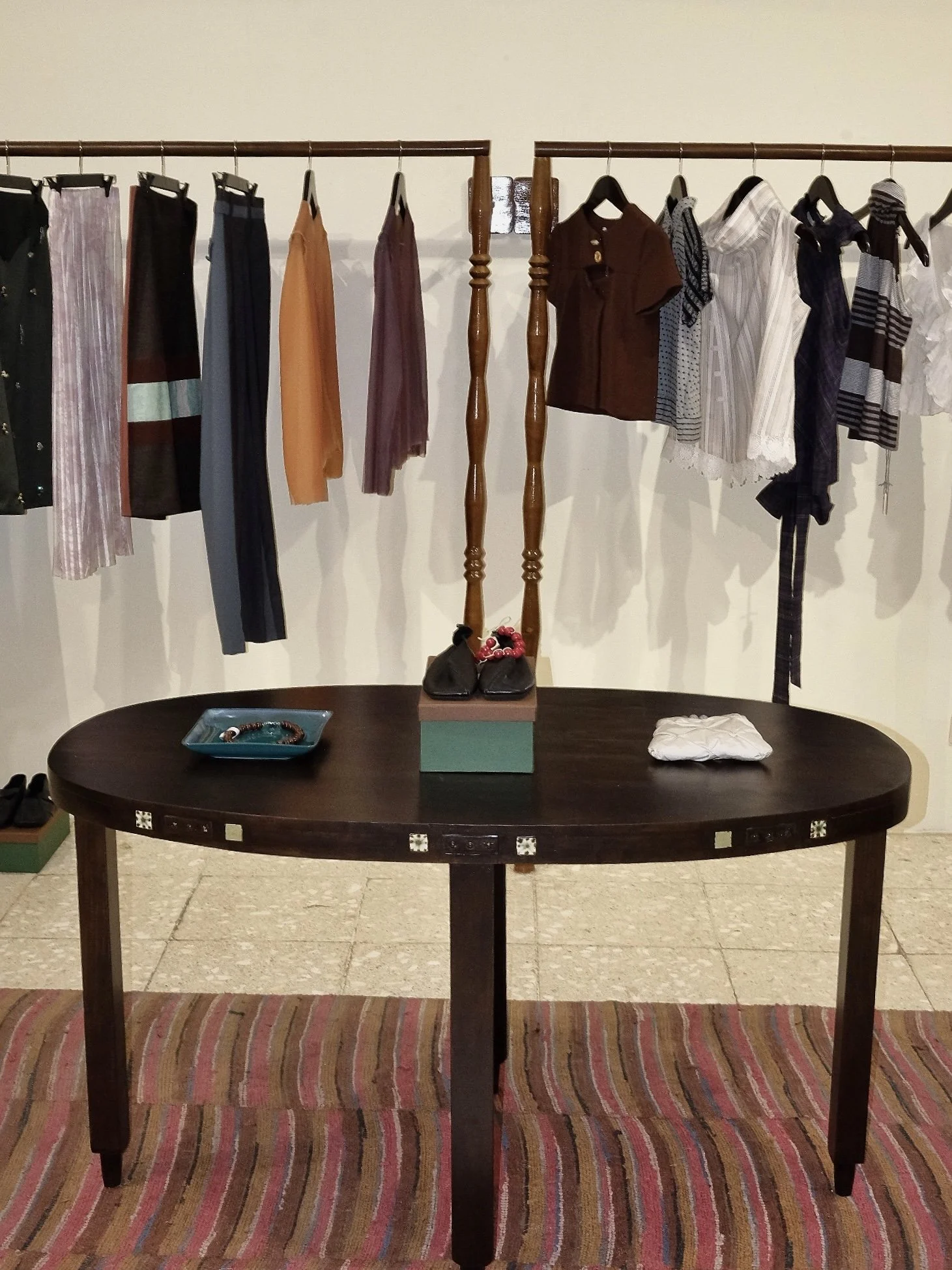
The Tu. showroom. Image courtesy of the brand.
“For me, growth is not just about becoming bigger or producing more. It is about building something with a clear point of view, creating a community that genuinely connects with the brand, and making pieces that people want to keep wearing over time.”
Finally, what are your plans moving forward? How do you imagine Tu. growing over the next few years?
Over the next few years, I would love for Tu. to grow in a way that still feels intentional, sustainable and true to what the brand is.
I am also incredibly excited to have The Island Upstairs in Jakarta as our first retail partner. It marks a meaningful milestone for the brand. I am looking forward to reaching more people through this partnership while deepening our connection with the community.
As we evolve, I want to continue creating thoughtful collections while refining the quality, details, and overall experience behind every piece. It is important to me that Tu. remains distinctive and considered.
For me, growth is not just about becoming bigger or producing more. It is about building something with a clear point of view, creating a community that genuinely connects with the brand, and making pieces that people want to keep wearing over time.
Follow Tu. for more.