
Fresh Face: Play Nice
Amanda and Sam Soliven give vintage textiles a second life
F&M’s Fresh Face is a series featuring young Southeast Asian fashion practitioners, where we speak with them about how they embarked on their careers and what propels them as creatives.
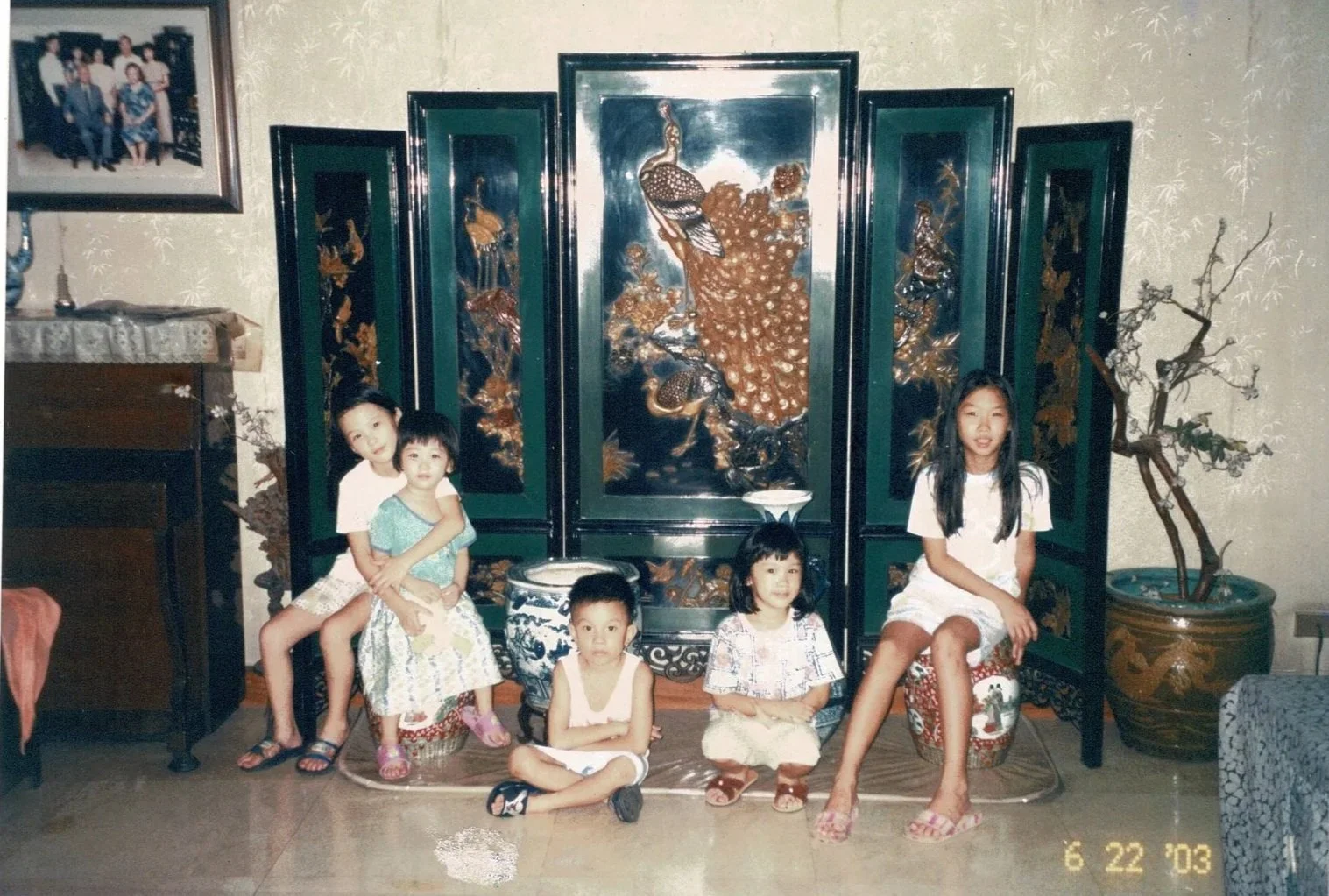
Amanda and Sam in their family home in Manila in 2003. Image courtesy of Play Nice.
Amanda and Sam Soliven are fourth-generation Chinese-Filipino sisters based in Manila. The two are the founders of Play Nice, an accessories label built around their grandfather’s personal textile archive, a collection of fabrics sourced from Philippine mills operating from the 1970s to the early 2000s, when most of them shut down. The sisters also run Moko, a floristry studio, alongside the label.
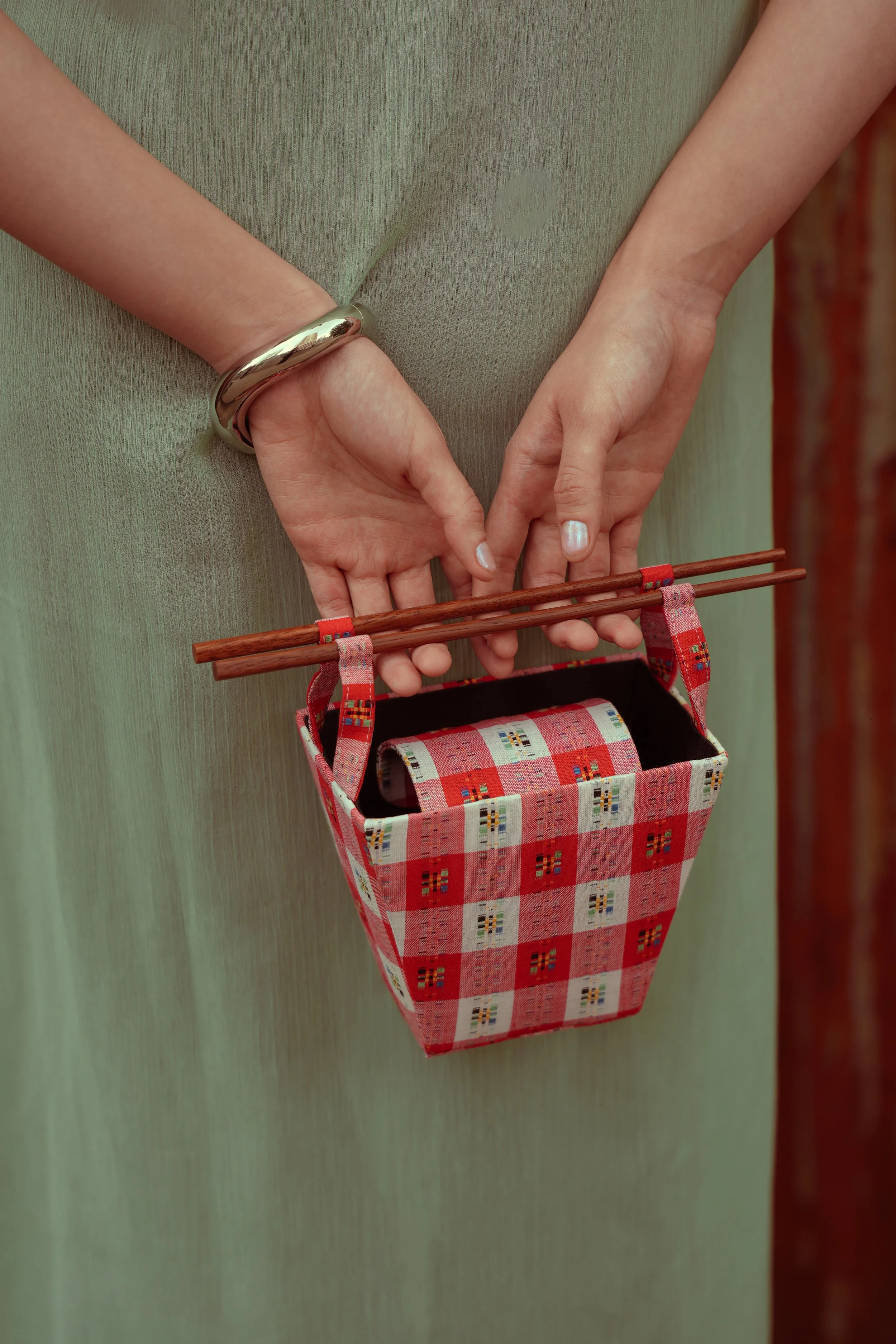
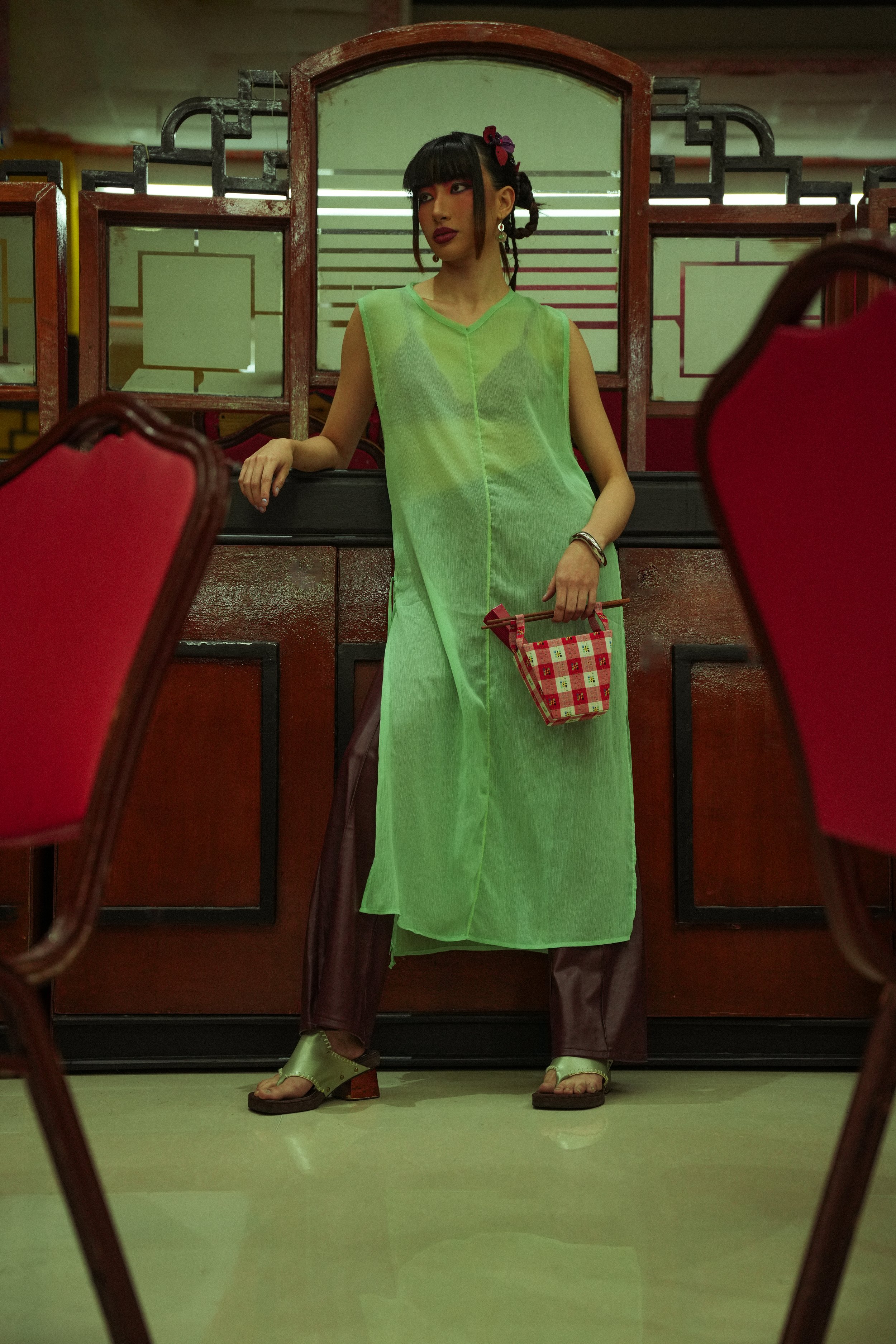
The Takeout Bag. Image courtesy of Lost Scouts Production. Styled by Gia Bravo.
The sisters work with these vintage and deadstock materials, producing small-batch pieces. Their signature piece, the Takeout Bag, a structured, square-bottomed bag that takes its silhouette from a Chinese takeout container. Threaded through with a pair of chopsticks, it has become the label’s most recognisable product, released in a series of fabrics drawn from the same inherited stock, from tartan and brocade to gingham and silk.
Hi, Amanda and Sam! To start, could you both talk about your backgrounds? What or who are the main influences your work draws upon?
We are fourth-generation Chinese-Filipino sisters who live in the Philippines. A lot of what we do is really inspired by home and family.
We grew up in a creative family. Taima, our great-grandmother, embroidered and quilted. Ama, our grandmother, loved sewing. Angkong, our grandfather, collected Chinese porcelain, furniture, and fabrics. Our house was full of objects that carried a memory and meaning.
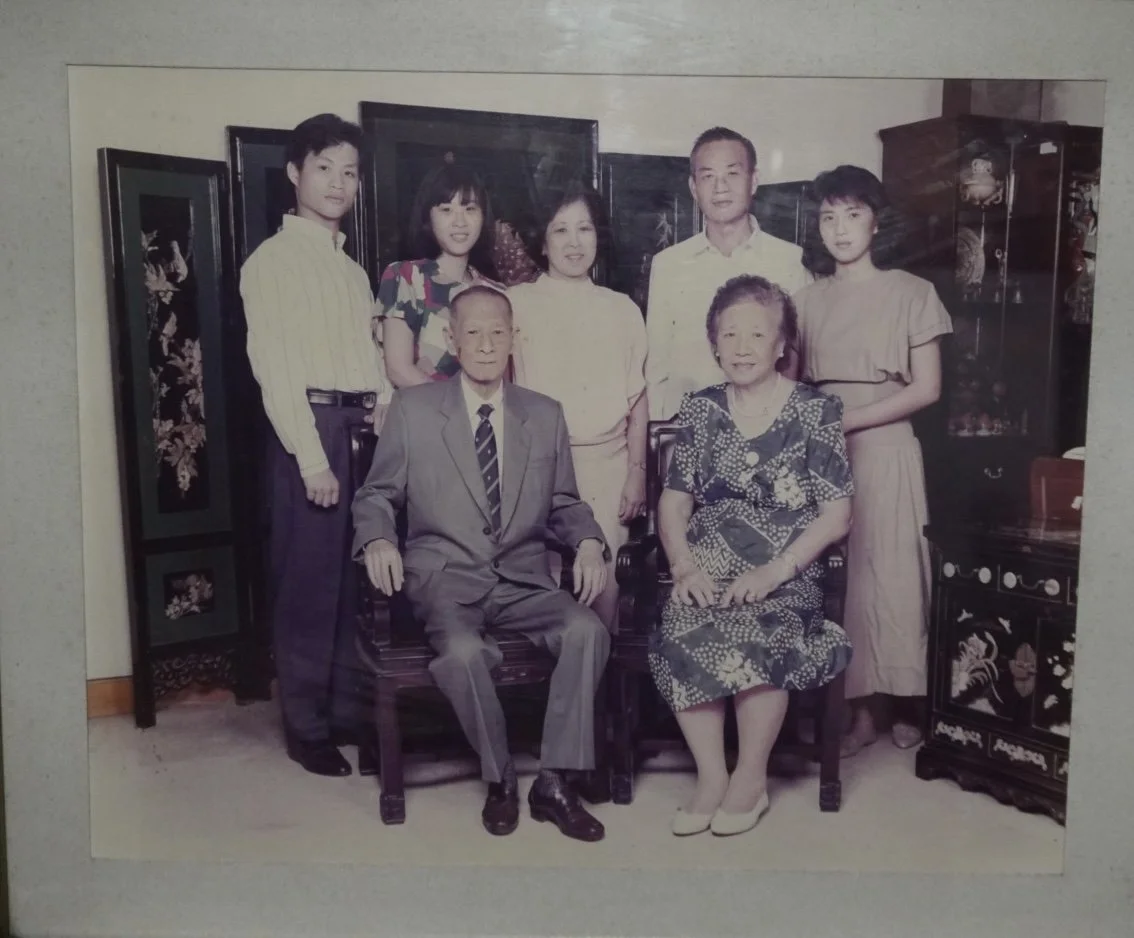
The first, second, and third generation Solivens in the family home. Image courtesy of Play Nice.
Could you describe how Play Nice came to life? What is the story behind it?
Play Nice started with the house we live in. It is the same house our great-grandparents lived in, then our grandparents, then our parents and now us. So we are surrounded by things that have been there long before we were. There are pieces from every generation still in the house, especially textiles. Our connection to textiles goes back even further than our grandfather’s business.
Our great-grandfather had a textile shop at Quintin Paredes, Binondo, that was ransacked during the Japanese occupation. Before it happened, our family was able to hide two rolls of fabric. Because they were imported from England, the fabrics were quite valuable, and over time they were carefully used and sold to support a family of ten through the war. The whole family survived unscathed, and it is a story that has been passed down to us through our auntie, our grandfather’s younger sister.
The fabrics we use for Play Nice have been with our family through generations, and we hope to turn them into things people will value, the way our Angkong did.
“The fabrics we use for Play Nice have been with our family through generations, and we hope to turn them into things people will value, the way our Angkong did.”


Campaign shots of the Takeout Bag. Images courtesy of Lost Scouts Production. Styled by Gia Bravo.
Let us talk more about the Takeout Bag, the signature piece of Play Nice. How did you arrive at this particular form, and are there specific details within the bag that you would particularly like people to notice?
It is inspired by our heritage, but also by our aunt, who loves collecting quirky bags. Because we work with vintage and deadstock fabrics from our grandfather’s archive, the textile is the starting point. The shape has to let the fabric shine, but still be recognisable from across the room.
The chopsticks detail is our favorite part. It takes the silhouette quite literally, which we find playful and a little tongue-in-cheek. There is a sense of humor in committing fully to the reference.
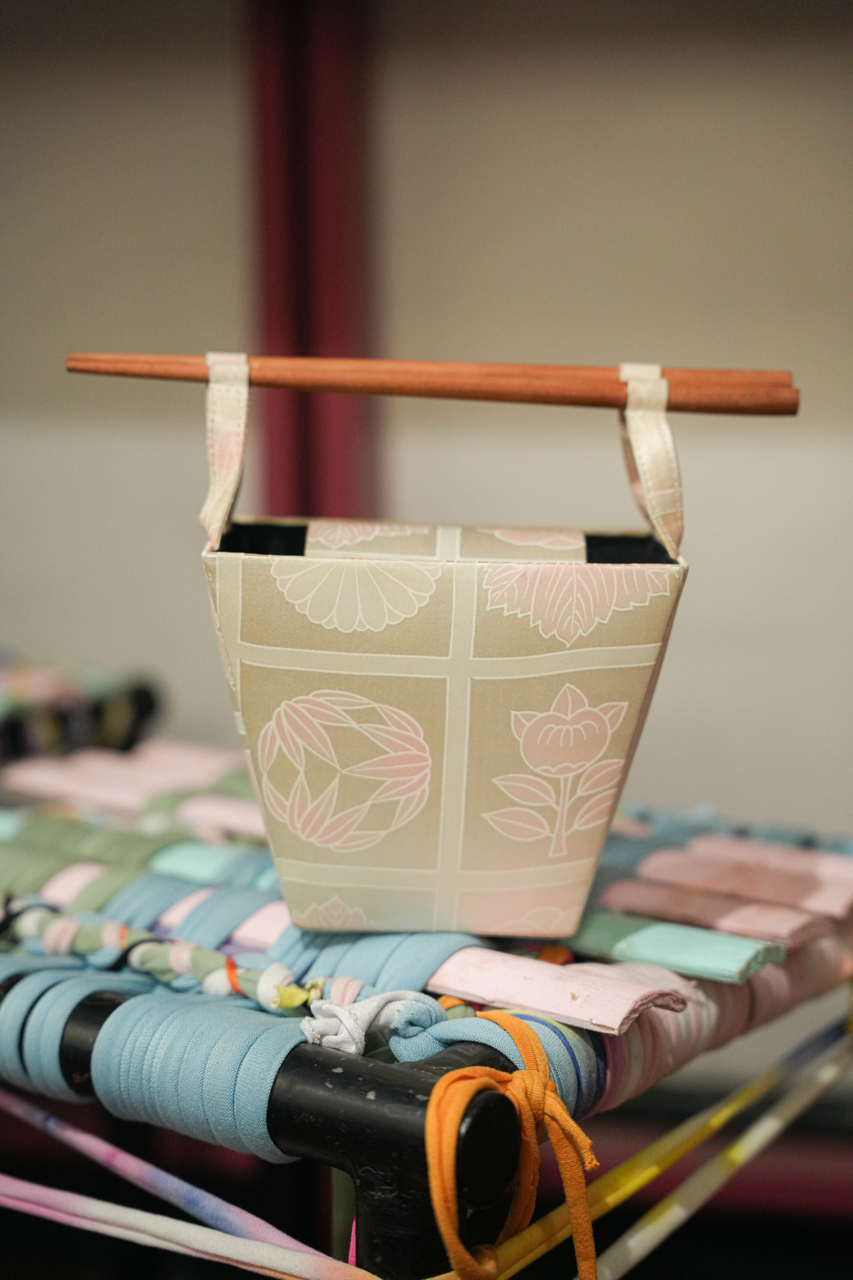
The Takeout Bag by Play Nice. Image courtesy of Lost Scouts Production. Styled by Gia Bravo.
Play Nice works almost entirely with vintage and deadstock fabrics. Could you walk us through the creative process given the materials used?
Working with fabrics at Play Nice is a lot like how we approach floristry with Moko, our floristry studio. There is a sense of treasure hunting, noticing the little details, discovering something you might have overlooked before, and valuing each piece for what it is.
Every fabric has its own character. Sometimes we go through the same pile of fabrics ten times, and each time we find something new. A fabric we ignored before suddenly stands out, and we appreciate it in a way we had not before.
Over time, we have come to understand how to work with each one. There is rarely a “bad” fabric. It is more about finding the best way to highlight its qualities and let it shine.
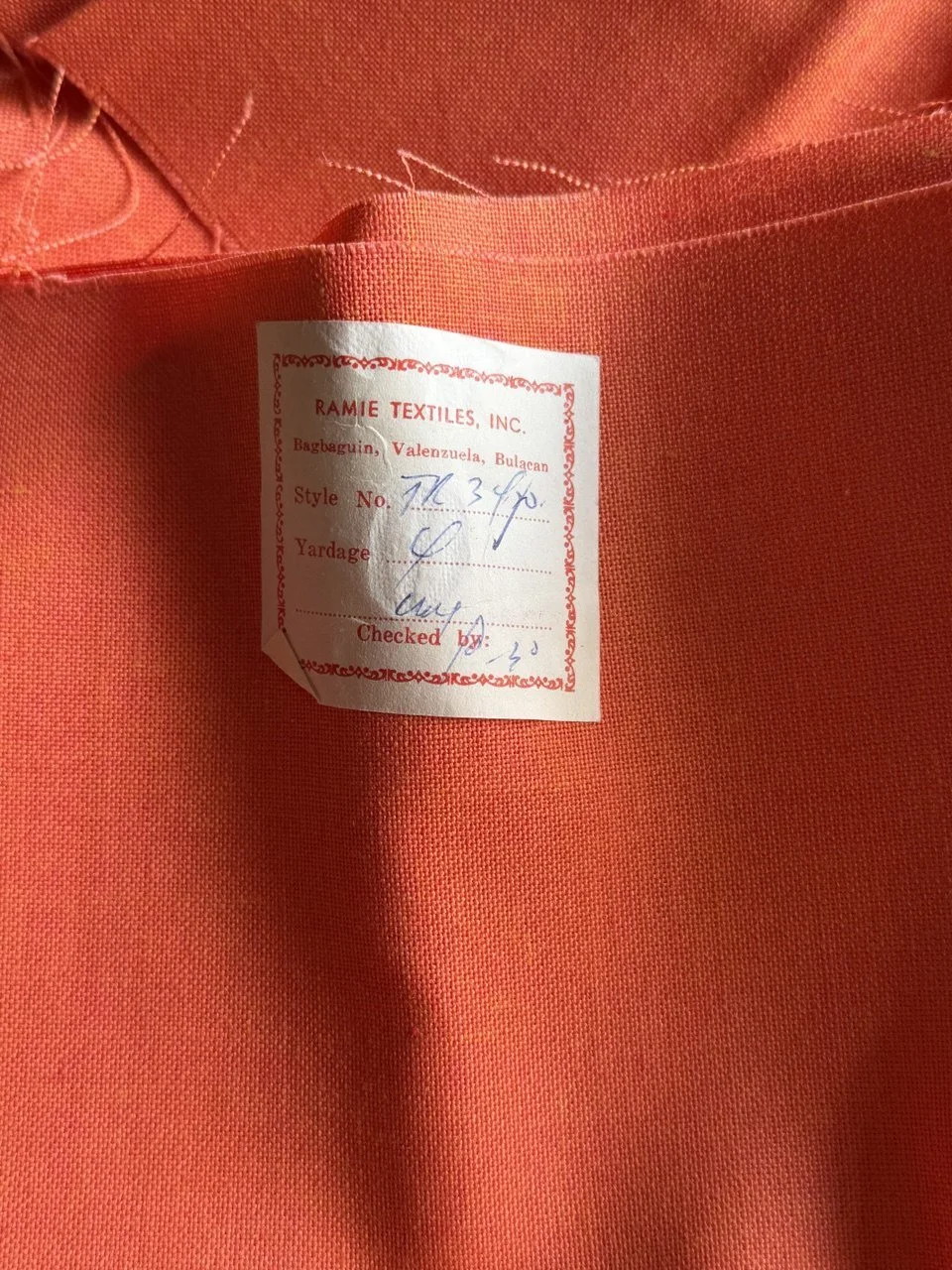
Ramie textile. Image courtesy of the brand.
As sisters building a label together in the Philippines, what are the particular challenges you face in building a label like Play Nice? And where do you see opportunities opening up for a brand like yours?
One of the biggest challenges is time. Because our process involves vintage textiles, we have to study it, understand its scale and repeat, and design around its limitations. There are flaws, uneven cuts, and finite quantities. It takes time to create thoughtfully, and it takes even more time to do it responsibly.
While many people expect us to release more bags, clothing, or shoes, which we are exploring, we are equally excited by projects outside fashion that feel playful and surprising. We see fabric as a material that invites experimentation since it can take shape in different forms.
Many decades ago, our Angkong supplied ramie fabric to The Manila Hotel for their tablecloths. Over time, they became one of his biggest customers, which is why we still have rolls and rolls of this fabric tucked away in storage. The mill that produced it locally has long since closed, so the type of ramie we have now is something that is no longer readily available.
The fabric is almost linen-like, breathable and beautifully textured. It is such a special material, and it is a shame for it to simply sit in storage waiting to be used.
not ventured into table linens yet, but the idea has been at the back of our minds. We feel that there is so much soul in turning these rolls back into what they were originally made for, or interpreted in another way. We hope to find collaborators who are just as excited about giving this fabric a second life.
“One of the biggest challenges is time. Because our process involves vintage textiles, we have to study it, understand its scale and repeat, and design around its limitations. There are flaws, uneven cuts, and finite quantities. It takes time to create thoughtfully, and it takes even more time to do it responsibly.”
What are your hopes for the Philippine fashion and design scene?
Finding vintage fabrics here in the Philippines can be a challenge, but they are some of the most inspiring materials to work with. We hope more designers get the chance to experiment and turn them into pieces with a new perspective.
Finally, your grandfather’s textile archive feels like the soul of the brand, but it is also a limited resource. What are your plans for Play Nice looking further ahead, and how do you see the label finding its next chapter once the archive has been fully worked through?
We still have a long way to go. There is plenty of fabric in the archive to work with. But when the time comes to move beyond it, we will probably take a page from our Angkong’s book: hunt down deadstock, find unusual fabrics, and maybe even experiment with things beyond textiles. Whatever we do, we want to keep making designs that are fun, a little unexpected, and something we are excited to put out into the world.
Follow Play Nice on Instagram here.