
On piña, family archives, and See Through at Isolde
Through the Lens is a series that explores in detail the images of fashion image-makers in Southeast Asia, shedding light on their creative and technical processes.
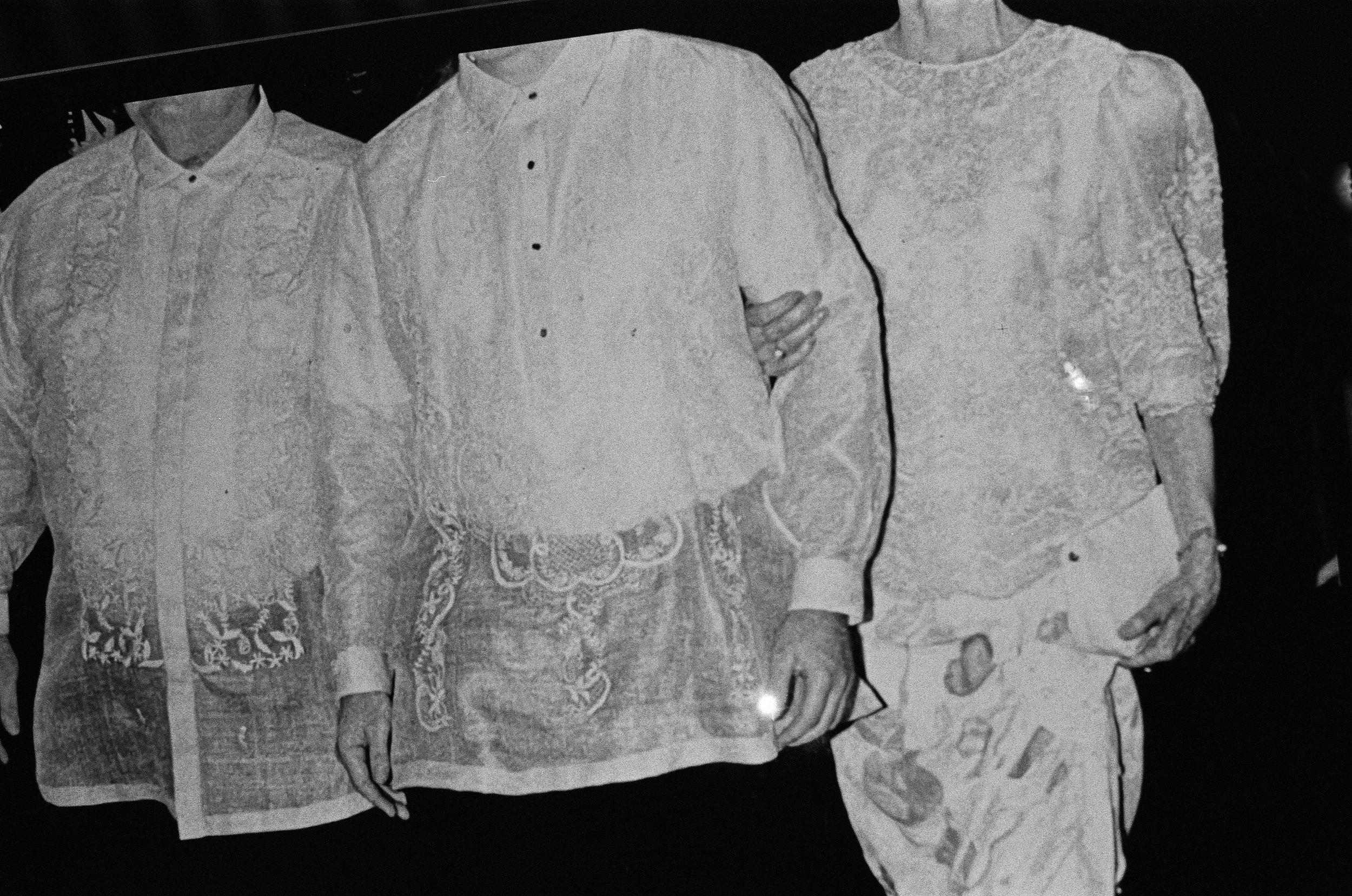
Untitled (Thumbprint), 1996/2026. Image courtesy of Alex Westfall.
Alex Westfall is a Manila-born artist, director, educator and writer. She graduated from Brown University in 2020 with a BA in Modern Culture and Media. Her critical short film The Rose of Manila (2020), about the formative years of Imelda Marcos, has been screened with the British Film Institute and was available on the Criterion Channel.
In 2026, Alex was an artist resident at MacDowell, Yaddo, the Penland School of Craft, and Contact Darkroom in Devon. Her first solo exhibition, See Through, was presented at Isolde in New York. In this interview, Alex talks about the origins of See Through in her family’s archive, her recursive darkroom process and her teaching at Las Fotos Project in Los Angeles.
Hi, Alex! Could you talk about your background? How did your journey into photography and film begin?
I was born in Manila, where my mom is from. My dad was a diplomat, so I grew up moving to different countries every couple of years. I dropped in and out of schools, and by extension, communities and friendships every few years. I suppose my way of seeing became what grounded me. I should also say that throughout my childhood, my two little sisters and I shared a point and shoot digital camera.
Then, when I was 11, my parents sent me to a summer camp where I first learned to work in the darkroom. I dug up these prints recently — they are not skilled or unique by any means, but you can see in these images that I was learning. It is only now I realise how special it was to first encounter this medium at a young age. It was at this time that websites like Flickr and Tumblr fostered supportive communities across the world. I felt encouraged by strangers who saw my work as a teenager.
I saw Moonlight in a theater when I was 19 years old. I did not know movies could be like that. It made me want to study film at Brown University; I took as many studio classes as I could at the Rhode Island School of Design. I liked making little films in college because I could pour so many things I loved into one greater thing: writing, music, design, fashion, collaboration with others. I see my photography and filmmaking practices as inseparable. Each is equally challenging, each asks its own set of questions.
“I see my photography and filmmaking practices as inseparable. Each is equally challenging, each asks its own set of questions.”
What are the themes, ideas, or subjects that currently pique your interest across your work? Who or what would you say are the main influences on both your photography and your filmmaking?
The question that currently motivates my photographic work: how many ways can I create an infinite image? “Infinite” is up to interpretation — it can be emotional, conceptual, technical. But I am interested in resisting the historical association between death and photography. How can a photograph not “capture” but rather expand?
My influences change constantly. Right now, I have been inspired by the lives and work of artists like Theresa Hak Kyung Cha, Tehching Hsieh, Alix Cléo Rouboud, and Carla J. Williams. For these artists, their lives and work are entangled in a way that does not signal mess or obsession, but devotion to the practice. My friend Genevieve Nollinger gifted me a collection of Fanny Howe’s novels; I am making my way through those. I feel connected to Howe’s writing at present and know its influence will find its way into my future work. I love when a novelist is also a poet and the reader can savour the writing from line to line.
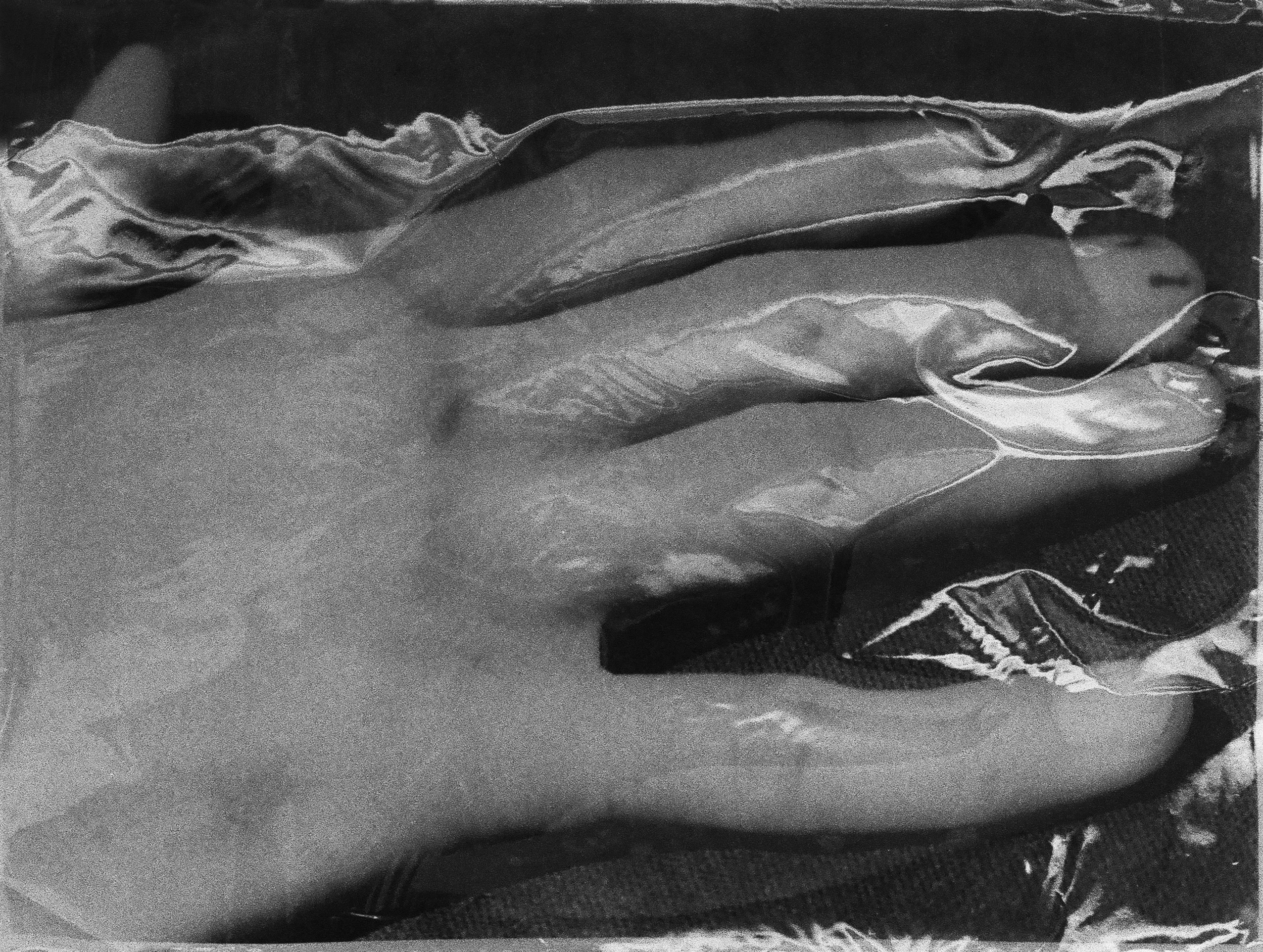
Matthew’s Hand, 1976/2023. Image courtesy of Alex Westfall.
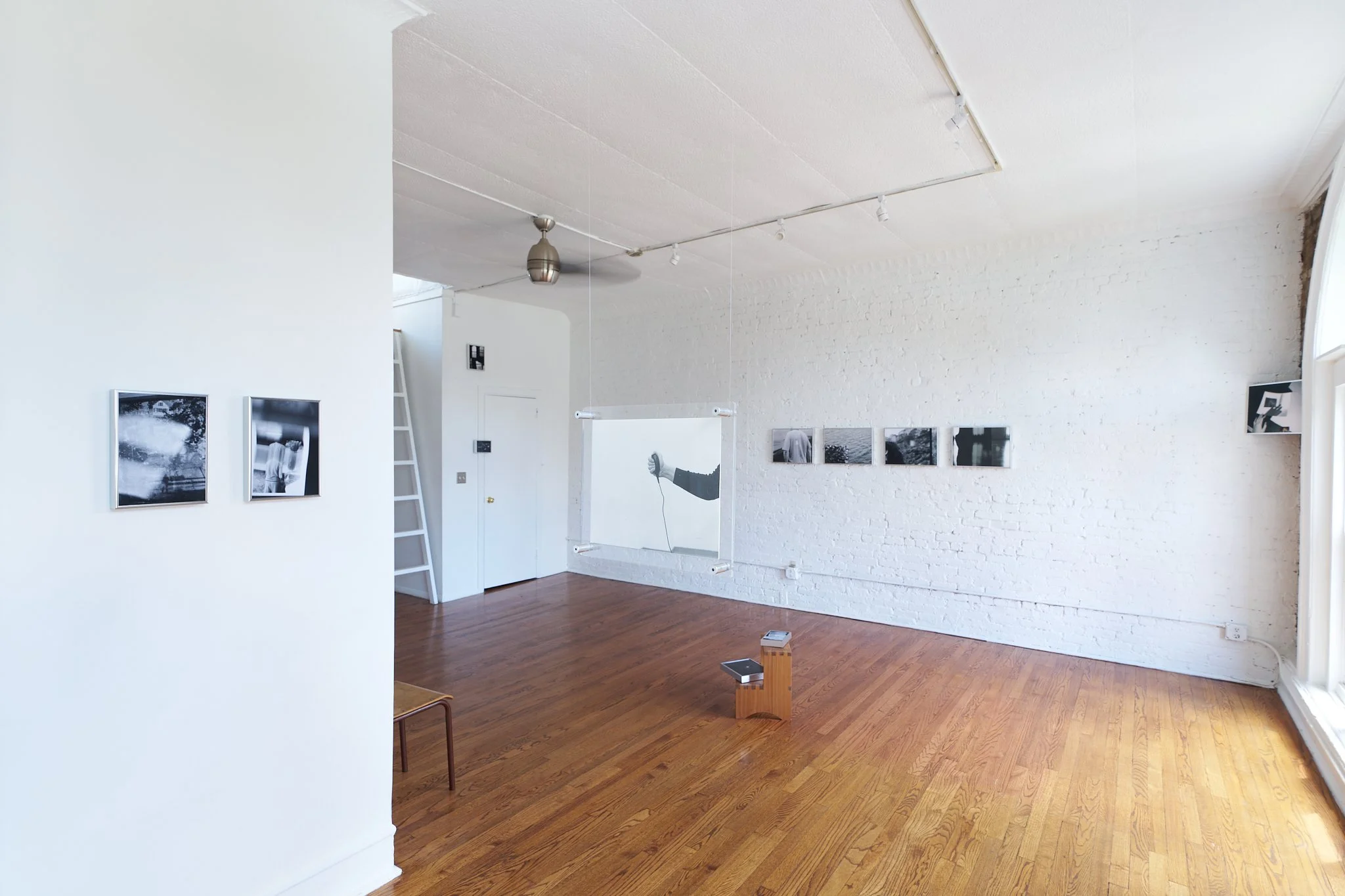
Installation view of See Through (2026). Photo by Paul Rho. Image courtesy of Alex Westfall.
See Through (2026) brings together moments from 1978 to 2026, including the piña-fibre shirts from your parents’ wedding. What would you like people to take away from it, and which details should they look for?
The project began when my dad sent me hundreds of scanned-in negatives he made when he was 17 years old. Everyone goes through a version of this at some point: the encounter with a parent’s hidden, unfamiliar, or past life. I wanted to honour my dad’s way of seeing while creating something of my own from his images. The photograph Matthew’s Hand — a picture of my dad’s teenage hand in the 70s, mediated and rephotographed by me in 2023 — is the jumping off point for the series, which travels through many dimensions of time, space and material layers.
I grew up around piña fibre and loved the way it filters light like translucent, handmade paper. I looked through my parents’ wedding albums — they married in 1996 in Manila — and loved the way the garments photographed. Eager to play with the material itself in the darkroom, I acquired the archival garments worn at the wedding. This fibre, as material and image, appears across multiple photographs in the series, like an echo.
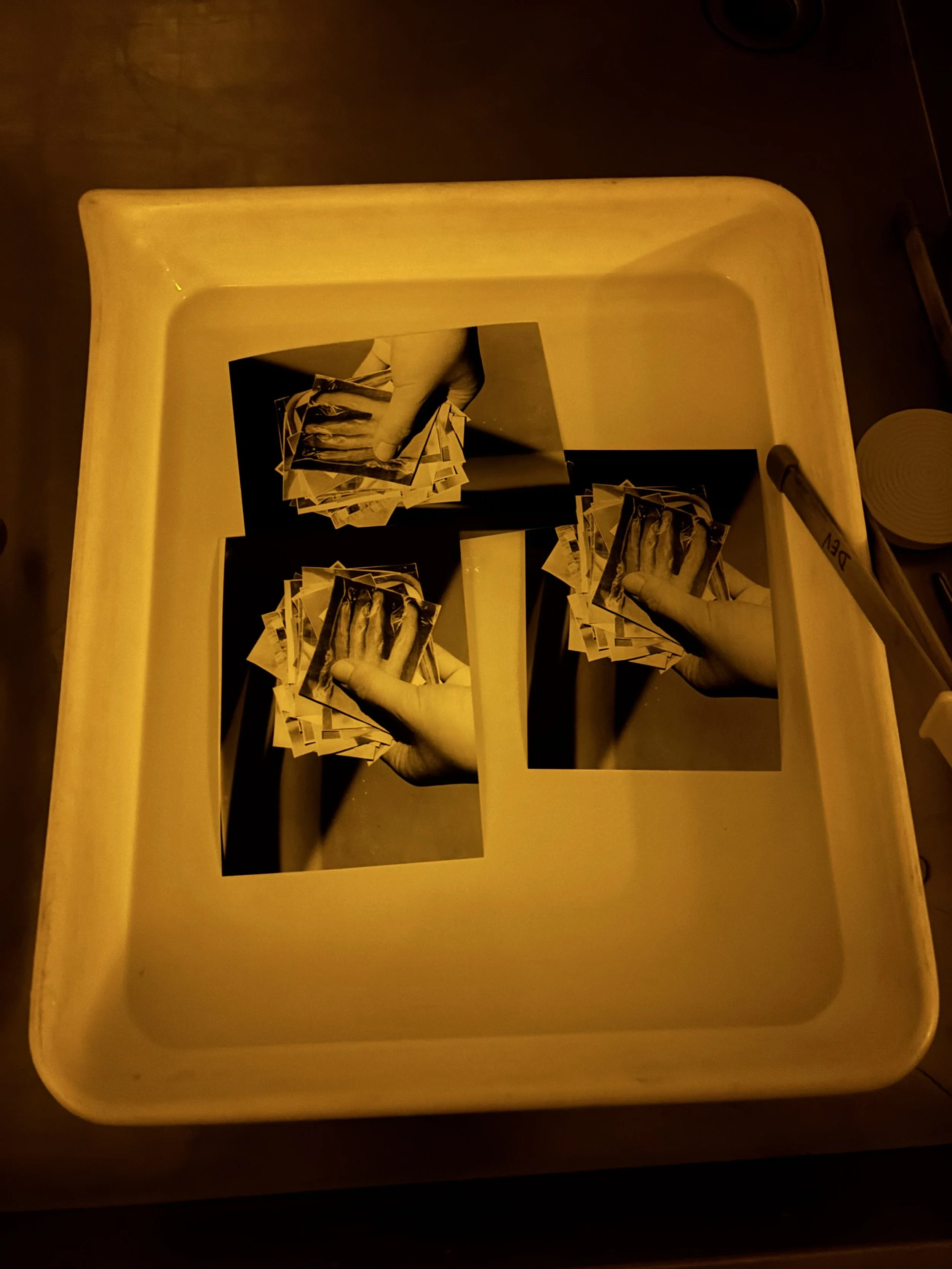
In-process darkroom prints for See Through, made at MacDowell in New Hampshire. Image courtesy of Alex Westfall.
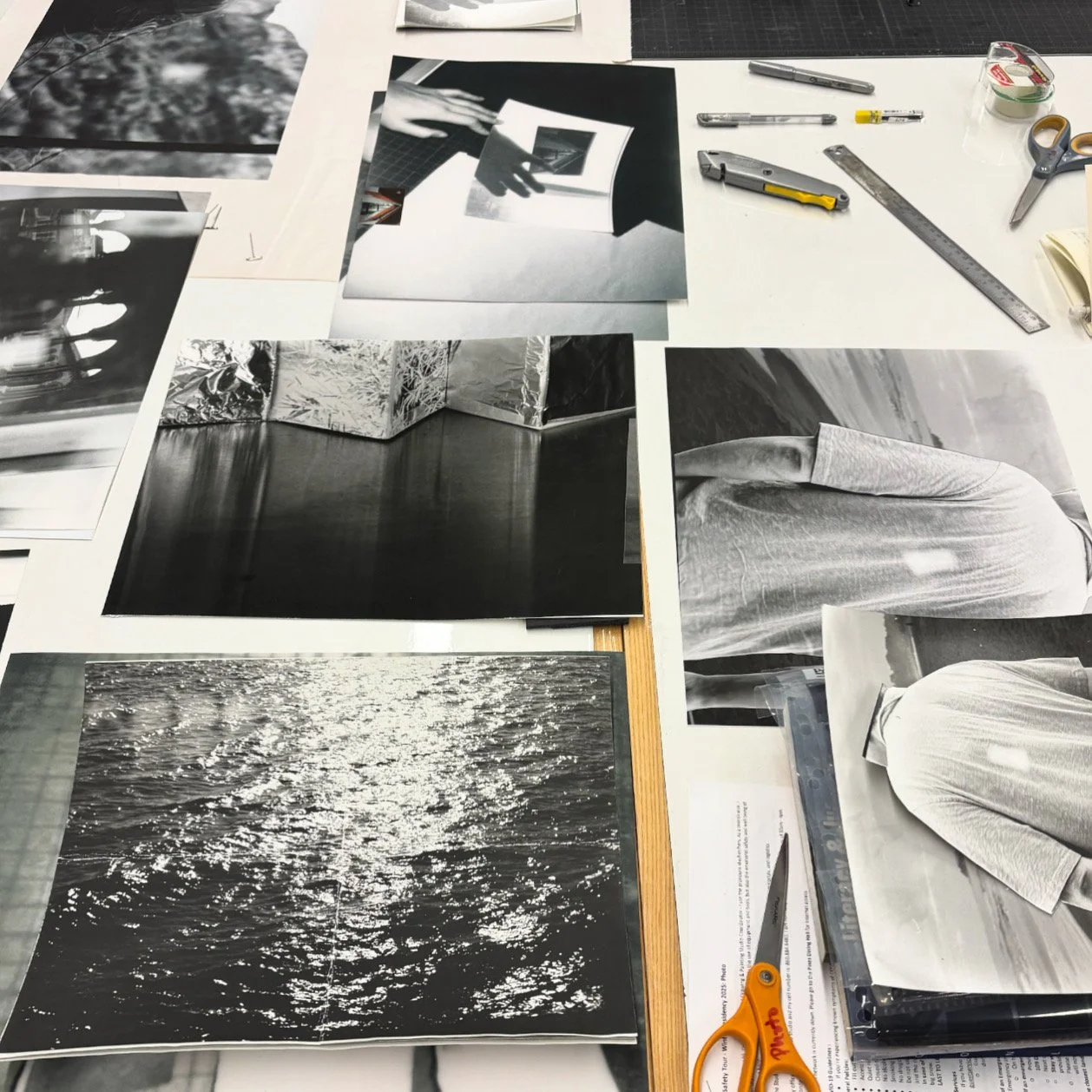
In-process prints made at the Penland School of Craft in North Carolina. Image courtesy of Alex Westfall.
Can you talk through your creative process? Your prints are left out to gather dew, frozen, folded, torn, and pricked with a pin, and some take years to finish. How do you know when an image is finished? And what challenges come with moving between the darkroom and film?
I want the process of working in the darkroom to feel like a physical performance that unfolds over a long period of time. I think of it like recursion in computer science: defining something in terms of itself, to the point of infinity. I will make a photograph, alter or mediate it in some way, put it away for some time, and alter it again. I will repeat the process until I feel good. The “finished” image is typically felt. There is no real rhyme or reason to it. Subconsciously, I would want to get each image to a stage where I can ask myself “how was that made”? There’s a sense of alchemy or mystery I want each image to evoke.
“Subconsciously, I would want to get each image to a stage where I can ask myself ‘how was that made’? There’s a sense of alchemy or mystery I want each image to evoke.”
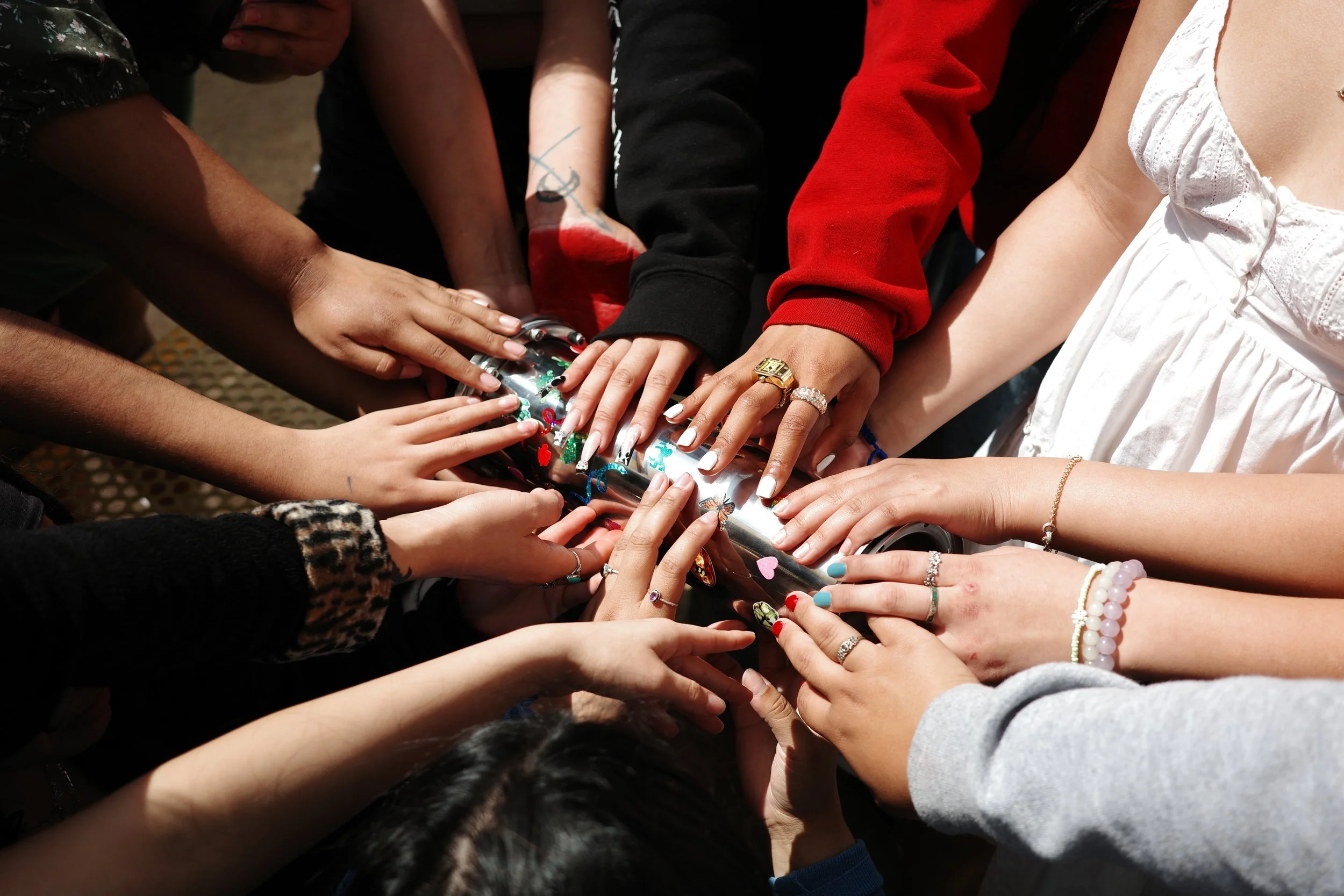
Time capsule, 2024. Image courtesy of Alex Westfall.
Can you walk us through some of your favourite projects to date?
Perhaps the most rewarding experience of my life: working as a Teaching Artist at Las Fotos Project, a non-profit in Los Angeles that provides free after-school photography workshops to teenage girls and gender-expansive youth. The young artists in my classes are brilliant. They are constantly showing me new ways of seeing. They give me purpose! The first class I ever taught at Las Fotos Project was about archival practices in photography. For our final project, we filled a time capsule with our favorite images and mementos . We then buried it at the 7th Street Garden in Los Angeles. We have a pact to dig it up in 2049.
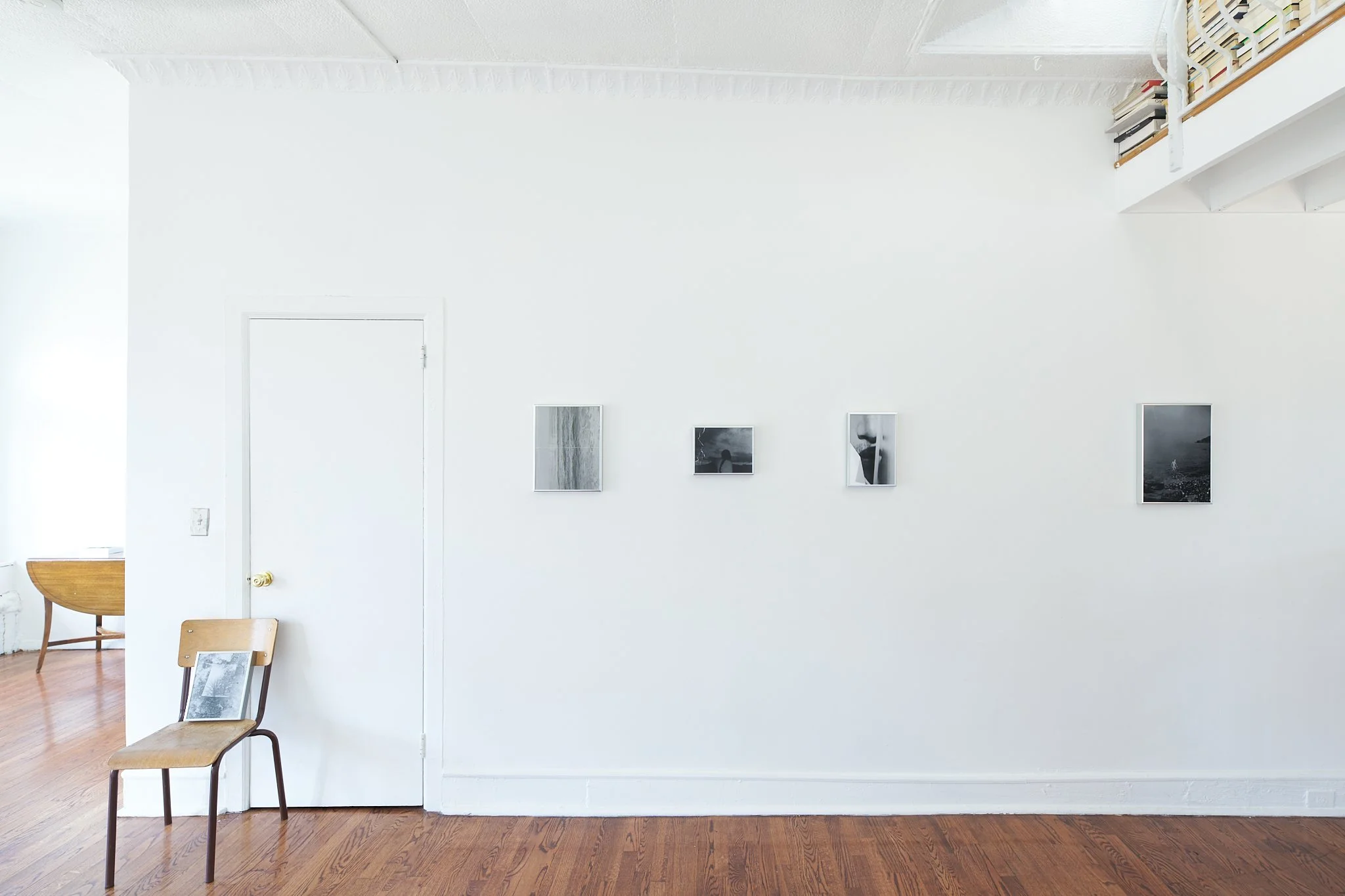
Installation view of See Through (2026). Photo by Paul Rho. Image courtesy of Alex Westfall.
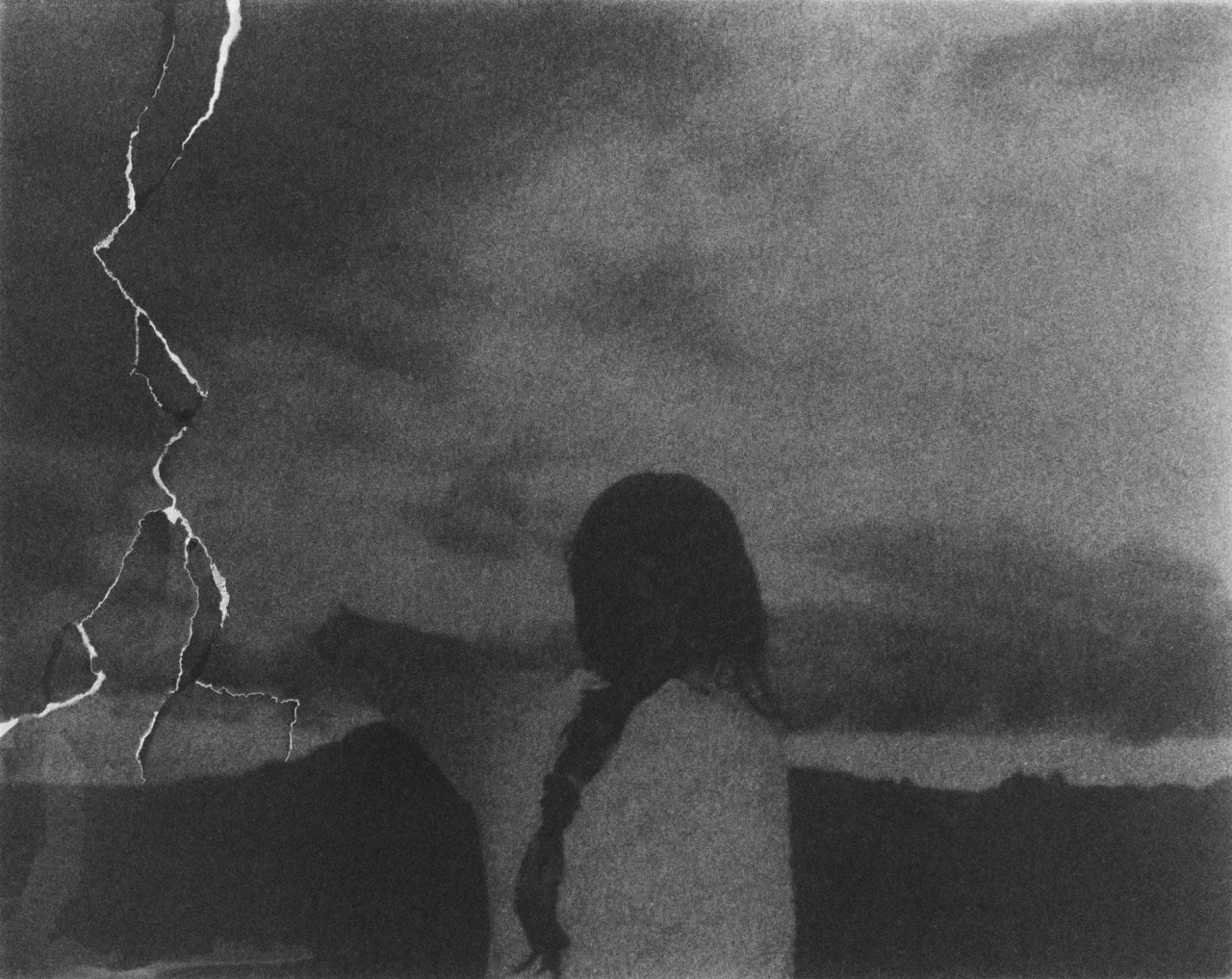
Untitled (Lightning), 2026. Image courtesy of Alex Westfall.
You recently spent three weeks at Contact Darkroom in Devon working on See Through. How did that residency go?
I feel at home in and invigorated by the landscape of southwest England. There is something timeless and fairy tale-like about it that feels like it is straight out of my childhood dreams. I was living very close to Dartmoor, a national park where I encountered wild horses, ancient stone circles, and rainbows — no joke! — each time I visited.
I went on the residency at Contact right after my photography show came down in New York. It was divine timing: having this period to play after a longer bout of presenting and promoting the work. I was unexpectedly productive. I deepened my practice at a furious and near alarming rate. Also,during this time, I read lots about the ecological history of photography — how the medium has depended on extractive mining processes. This helped me parse through the layers of materiality and ephemerality in my images andthe different scales of time, too. In some of these newer images made in England, ancient geological structures appear side-by-side with the more immediate, fleeting images, like that of sweat on skin.
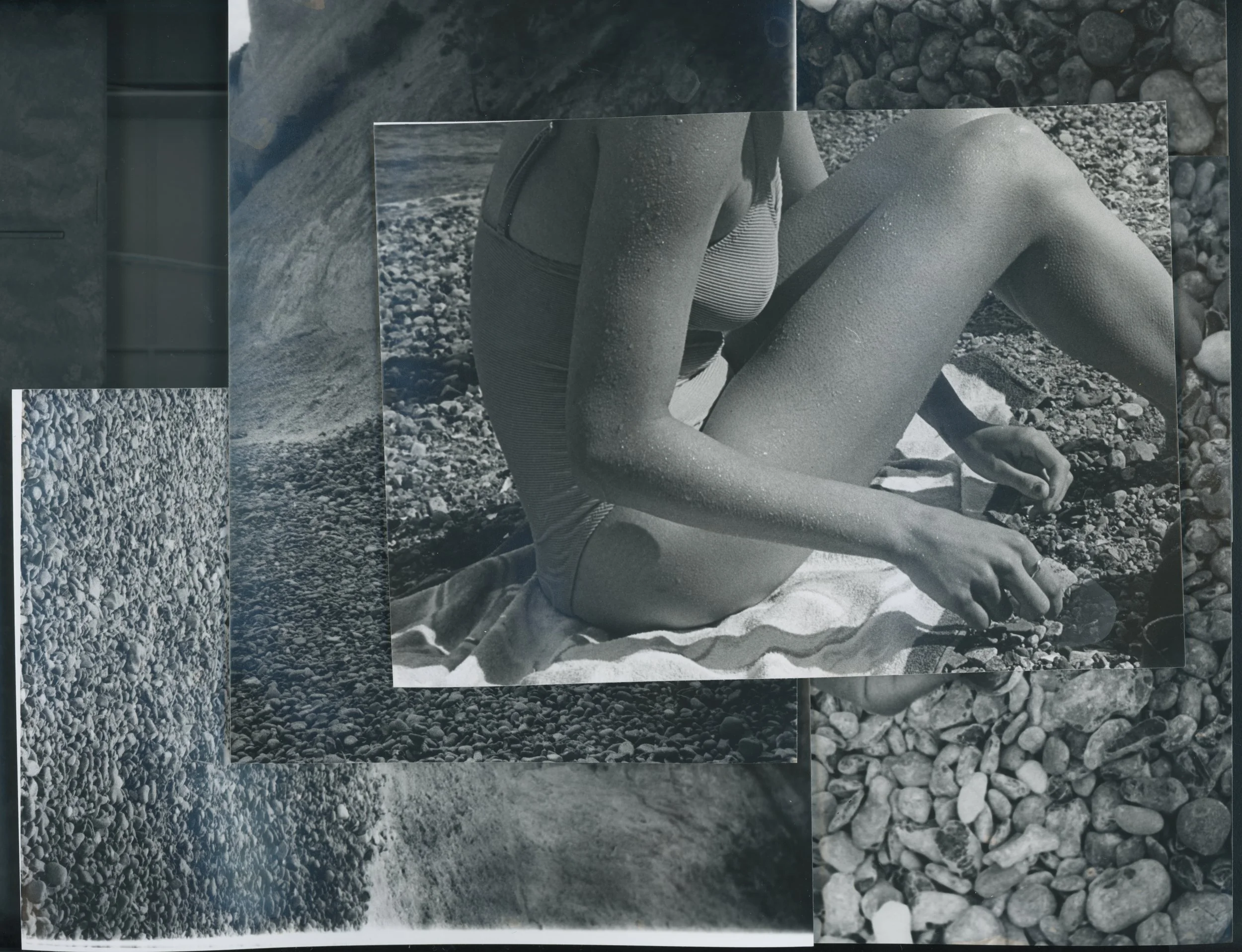
Untitled, 2026. Made at Alex’s darkroom residency at Contact. Image courtesy of Alex Westfall.
Who supports you creatively, and what is that collaboration like?
All of my collaborators are also my close friends. My friends Genevieve Nollinger (who gave me the Fanny Howe novels) and Talia Markowitz run Isolde, where my photography show was. For the accompanying booklet we published, a handful of my dearest friends responded to the images in their own words. A close reading is an act of love!
For my current film project, I am working with a dream team of producers who make me feel like I am in the greatest and safest hands of all time. Shoutout to Bennett, Kiva, Maya, Tavi, and Will. And of course, it was my parents who sent me to photography camp many years ago. They have been my #1 champions ever since.
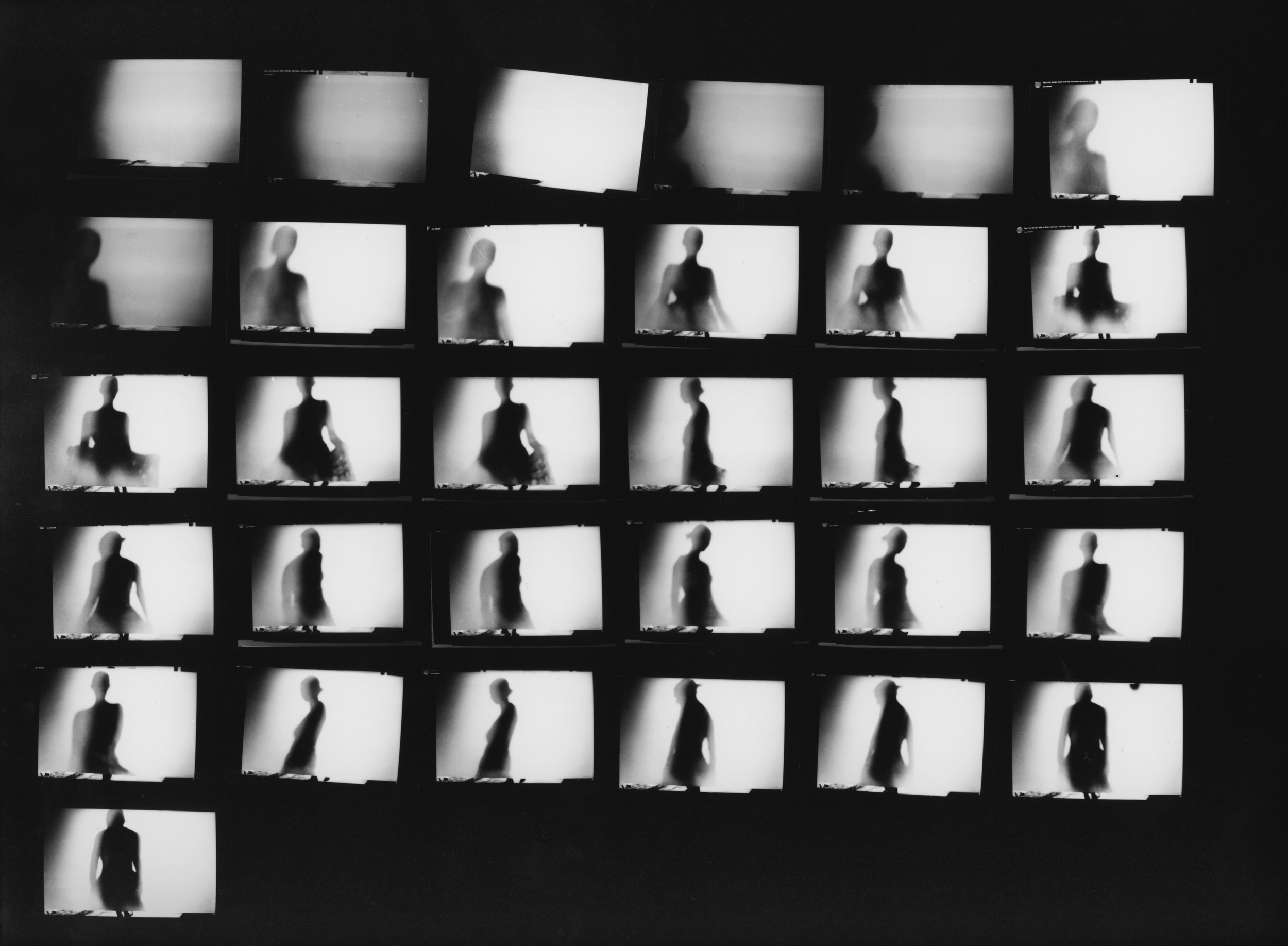
Untitled, 2026. Made at Alex’s darkroom residency at Contact. Image courtesy of Alex Westfall.
Lastly, what plans do you have in store for your practice moving forward?
I will continue to make images, advance them to the next stage, and follow my gut. I am also in late development for my first feature film, which dramatises a little-known story in the history of photography. It has been in process for the last several years, and is the coalescence of all the things and ideas I care about the most.