
Through the Lens: Anastacia Mala
Malaysian-Norwegian photographer on diaspora, memory and home
‘Through the Lens’ is a series that explores in detail the images of fashion image-makers in Southeast Asia, shedding light on their creative and technical processes.
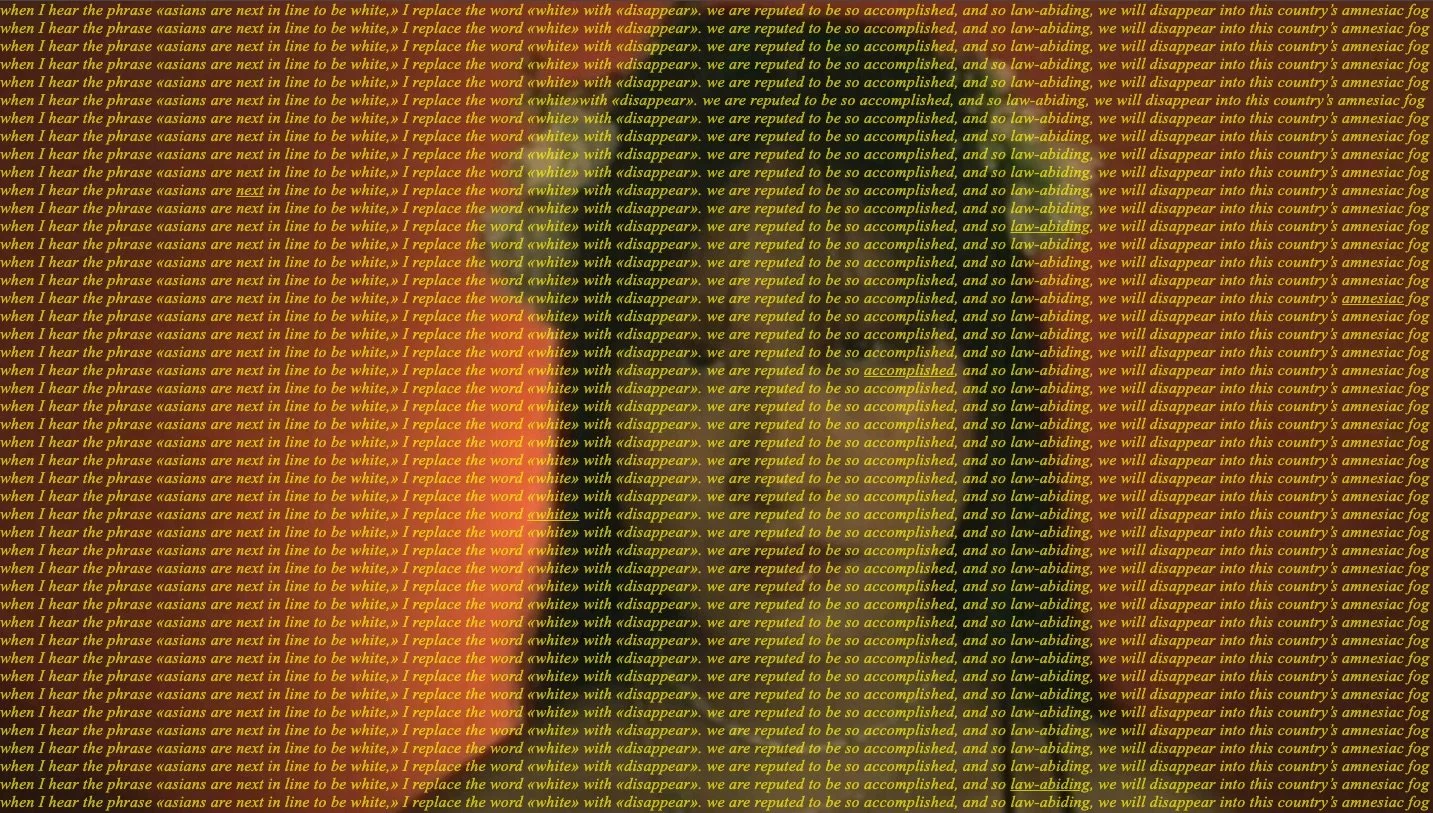
Anastacia Mala, Asian Fusions, 2025, website installation. Image courtesy of Anastacia Mala.
Anastacia Mala is a Malaysian-Norwegian photographer and visual artist based between Paris and Milan. She trained at IED Milano, obtaining a BFA in photography and visual arts, where she began combining the still image with text, video and sound.
Her work deals with identity and cultural belonging, drawn from her own dual heritage. In projects such as Asian Fusions (2025) and Homing Desires (2023), she examines how people of the Asian diaspora build a sense of self, and how the idea of home shifts for those living between cultures. Her photographs have been shown in Oslo, Milan and Bangkok, most recently in PhotOpsia, Flickering Objects at the 100 Tonson Foundation in March 2025.
In this interview, Anastacia talks about her move from dance into image making, and the questions of diaspora and home that run through her work.
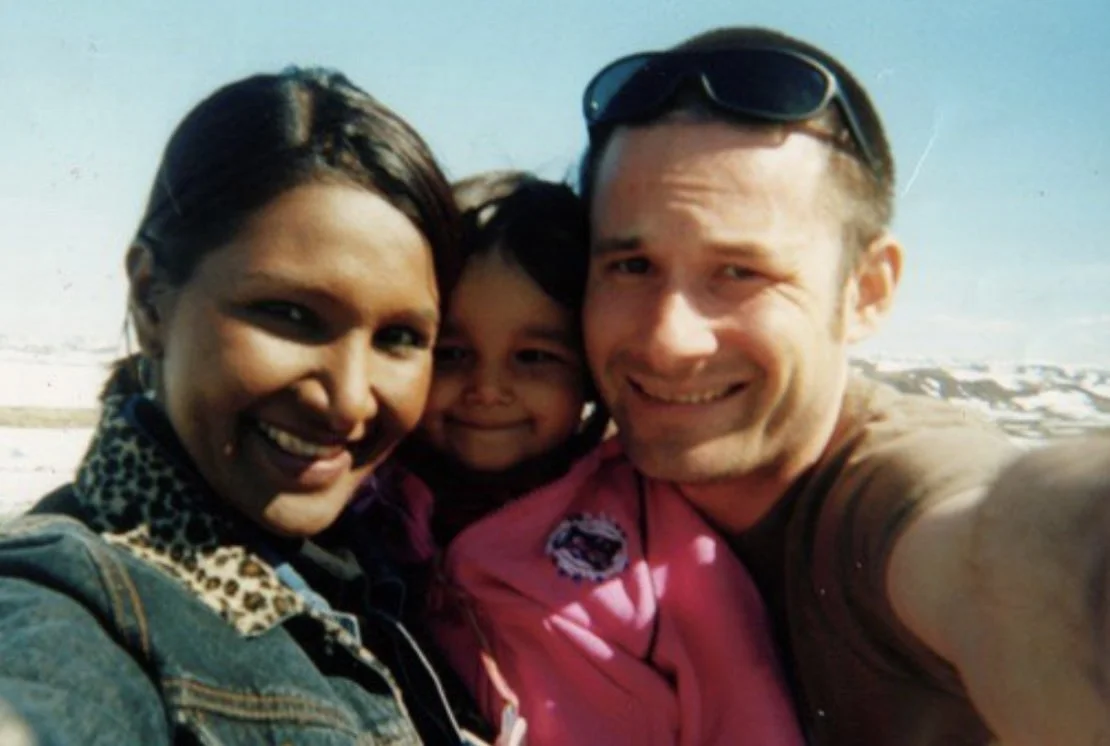
Anastacia with her parents as a young girl. Image courtesy of Anastacia Mala.
Hi, Anastacia! Could you talk about your background? How did your journey into photography begin?
Hi! My journey into photography began almost eight years ago after an injury forced me to step away from dance. Dance was my way of expressing myself, and it consumed all of my waking time. During the time when I was physically restricted after my injury, I turned mostly to writing and imagination, which naturally transformed itself into visual exploration through image making. Being unable to move in the same way changed my relationship with creativity, and slowing down physically allowed me to discover new ways of observing and understanding myself.
What are the themes, ideas and/or subjects that currently pique your interest across your work?
For the past four years, my practice has focused on themes surrounding the Southeast Asian diaspora, particularly the experiences of second- and third generation immigrants and third-culture individuals. My practice examines how identity is continuously negotiated between inherited cultures, lived experiences and the societies where we grow up. But recently I have been moving from broader explorations of belonging towards more specific questions, such as how diasporic communities experience grieving, how food and access to certain ingredients shape identity and how memories and definitions of “home” can be transformed across generations.
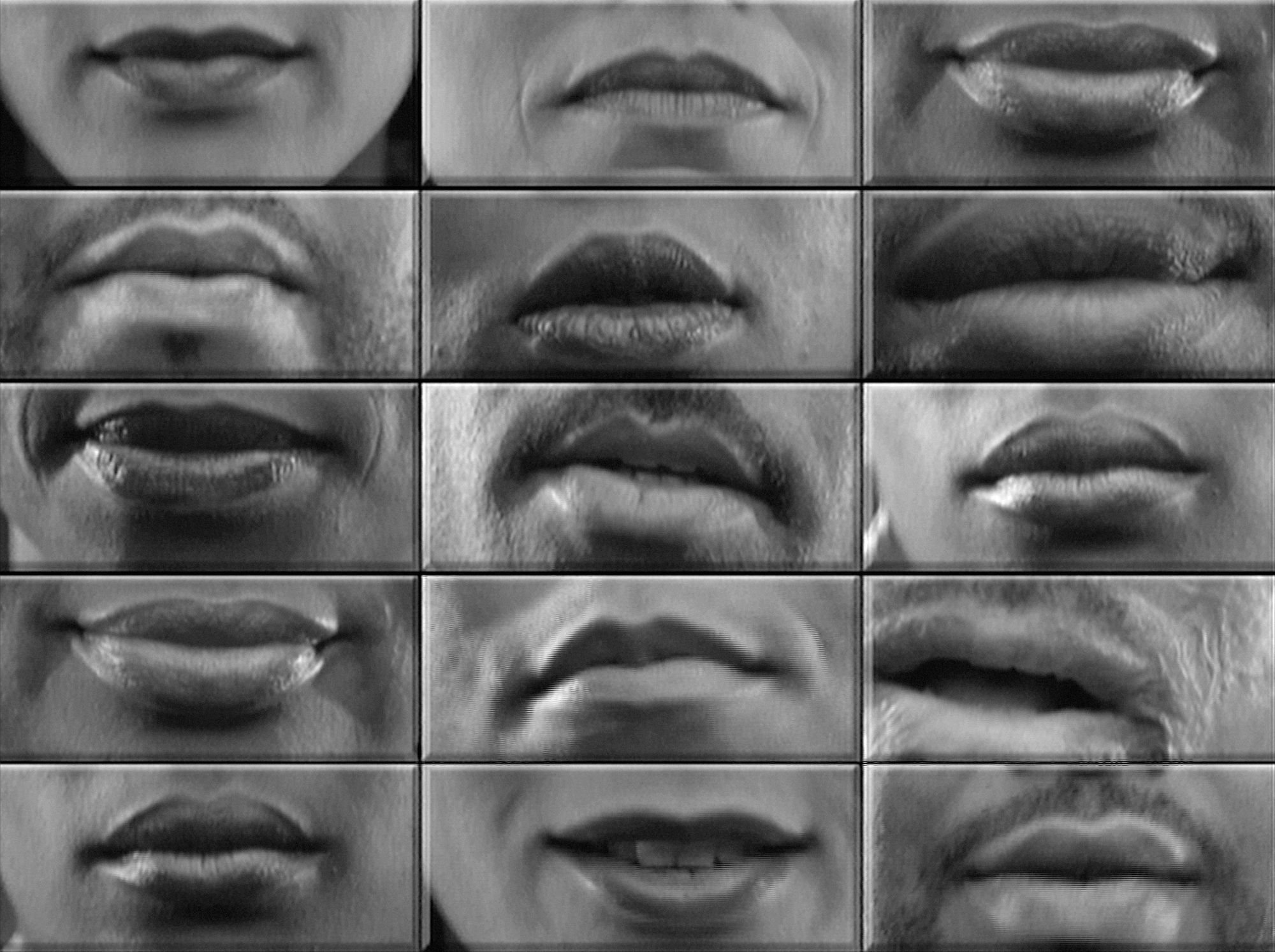
Lorna Simpson, Easy to Remember, 2001, single-channel video installation, black and white, sound.
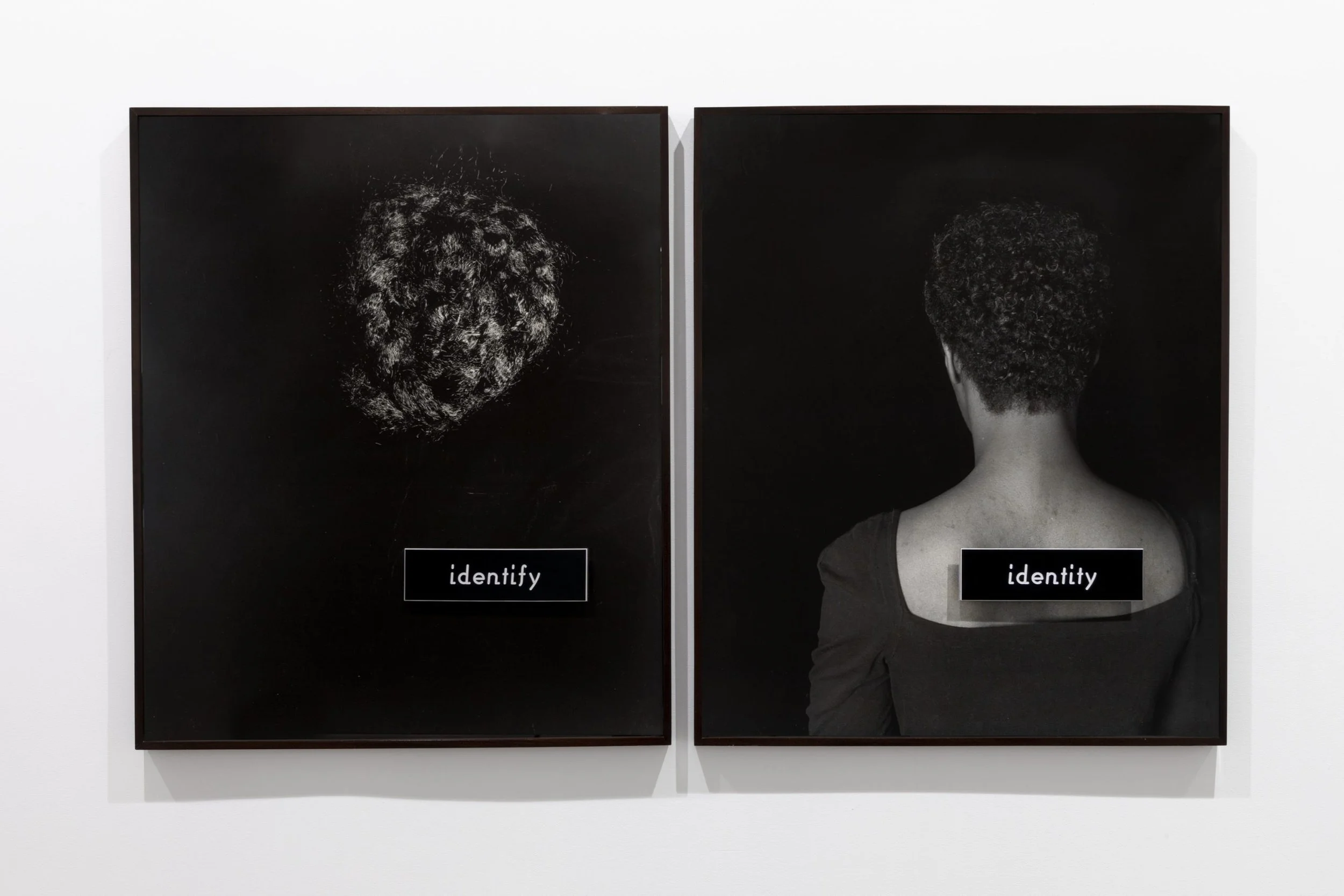
Lorna Simpson, ID, 1990, gelatin silver prints and plastic plaques, two parts: 124.5 x 213.4cm. Institute of Contemporary Art/Boston. Gift of Barbara Lee, The Barbara Lee Collection of Art by Women. Image courtesy Hauser & Wirth.
Who or what would you say are the main influences on both your photography and artistic practice?
My influences come from both artistic practices and theoretical research. Artistically, Lorna Simpson has been a huge influence through her exploration of image making, materiality and the relationship between photography, text and sound. But also much of my conceptual foundation comes from literature surrounding diaspora and identity, particularly writings such as Universality and Particularity: What Is Asianness? by Naoki Sakai and Sun Ge, as well as Avtar Brah’s Cartographies of Diaspora. These works have shaped many of the questions I ask through my diasporic visual practice, and helps me to look further than just my own experience. However, my greatest influence is probably my own biculturality and the societal expectation of rapid assimilation. It is through having to navigate those tensions that many of the questions driving my work first emerged.
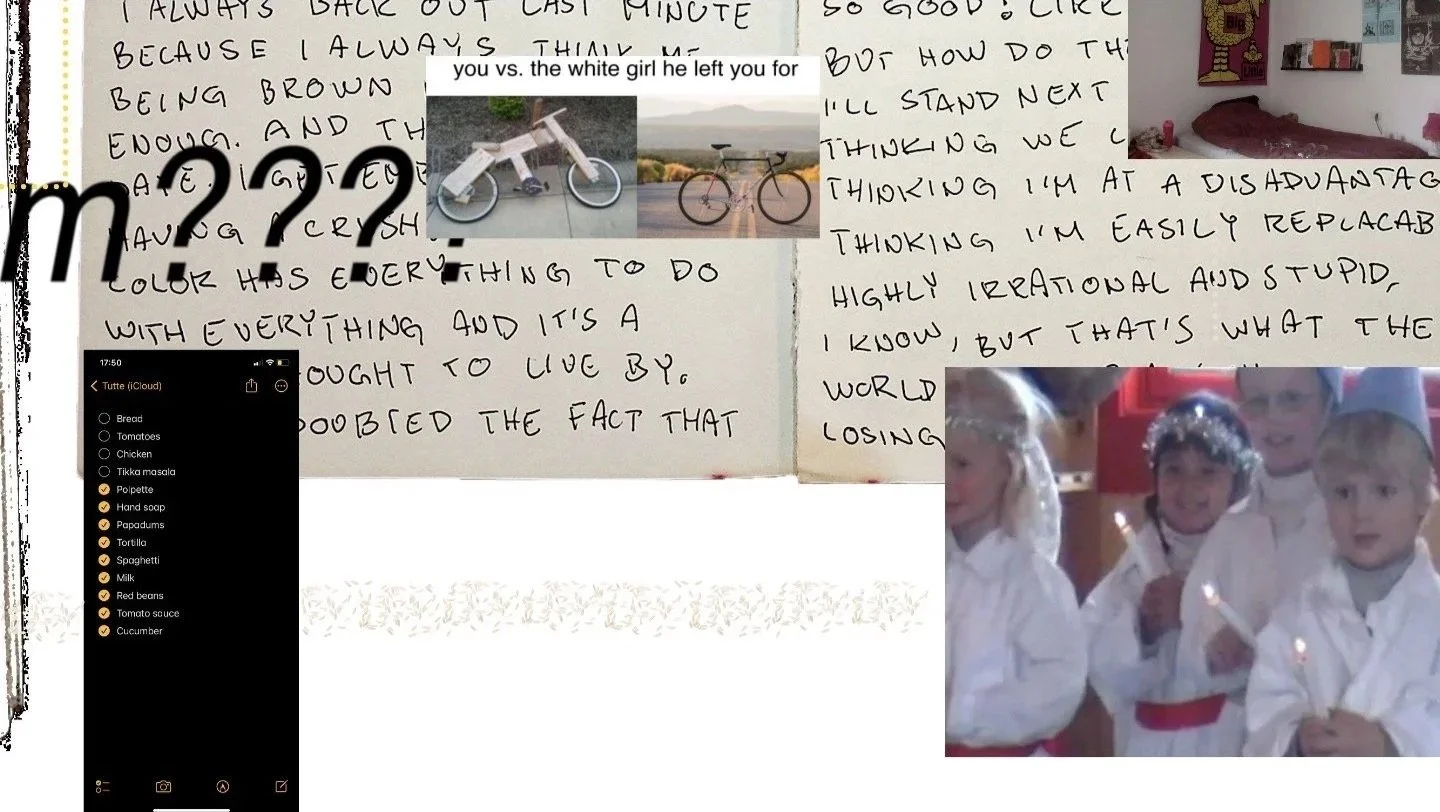

Anastacia Mala, Asian Fusions, 2025, website Installation. Image courtesy of Anastacia Mala.

Anastacia Mala, Asian Fusions, 2025, website Installation. Image courtesy of Anastacia Mala.
Asian Fusions is a multidisciplinary web platform addressing third-culture identity. Could you tell us more about this project?
Asian Fusions began as a personal exploration of navigating two cultures, but developed into a broader diasporic visual practice investigating third-culture experiences. Drawing from John W. Berry’s acculturation theory and Avtar Brah’s writings on the Southeast Asian diaspora, the project explores how people negotiate inherited cultures, social expectations, and the search for belonging. Asian Fusions examines questions around cultural identity, relationships, food, memory and the many ways Asian diasporic communities construct a sense of self within societies where their diasporic experiences are often underrepresented.
Created through coding and designed as a dysfunctional website, it intentionally reflects the fragmented and nonlinear experience of diaspora. Rather than providing a single narrative, the platform functions as a collage of personal stories, archival materials, writings and artistic references that users can navigate according to their own curiosity.
Asian Fusions is not intended to provide definitive answers or act as an educational resource that speaks for an entire community. Instead, my aim is to create a space where conversations can begin, where overlooked experiences can be recognised and where viewers are encouraged to engage with perspectives outside of their own. The responsibility of understanding and challenging existing narratives remains with the viewer, but my role as an artist is to open the door for that exploration.

Anastacia Mala, If I Wanna Go Skiing With My Saree On, That Is None of Your Damn Business!, 2022, printed on chiffon. Image courtesy of Anastacia Mala.
Looking across your fashion commissions and your personal projects, the boundary between the two seems porous. How does your approach change from one project to the next?
I initially approached photography through fashion, which was one of the reasons I chose to study in Milan. Over time, however, I realised that my strongest connection was not with fashion, but with the deeper research and personal narratives that existed within image making. My commissioned work allows me to collaborate and respond to external ideas, while my personal projects are where I really can start exploring the questions that continuously shape not only just my artistic practice, but also my life. I will say though, that slowly, the boundary between the two are becoming more fluid, and my work is starting to exist somewhere between fashion, documentary and fine art. But for now, my focus remains solely on just developing my own research-driven practice.
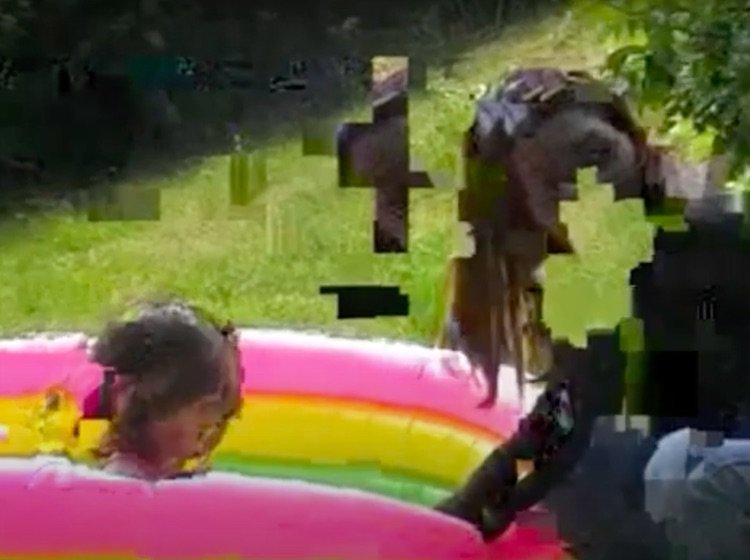
Anastacia Mala, Homing Desires, 2023, video Installation. Image courtesy of Anastacia Mala.
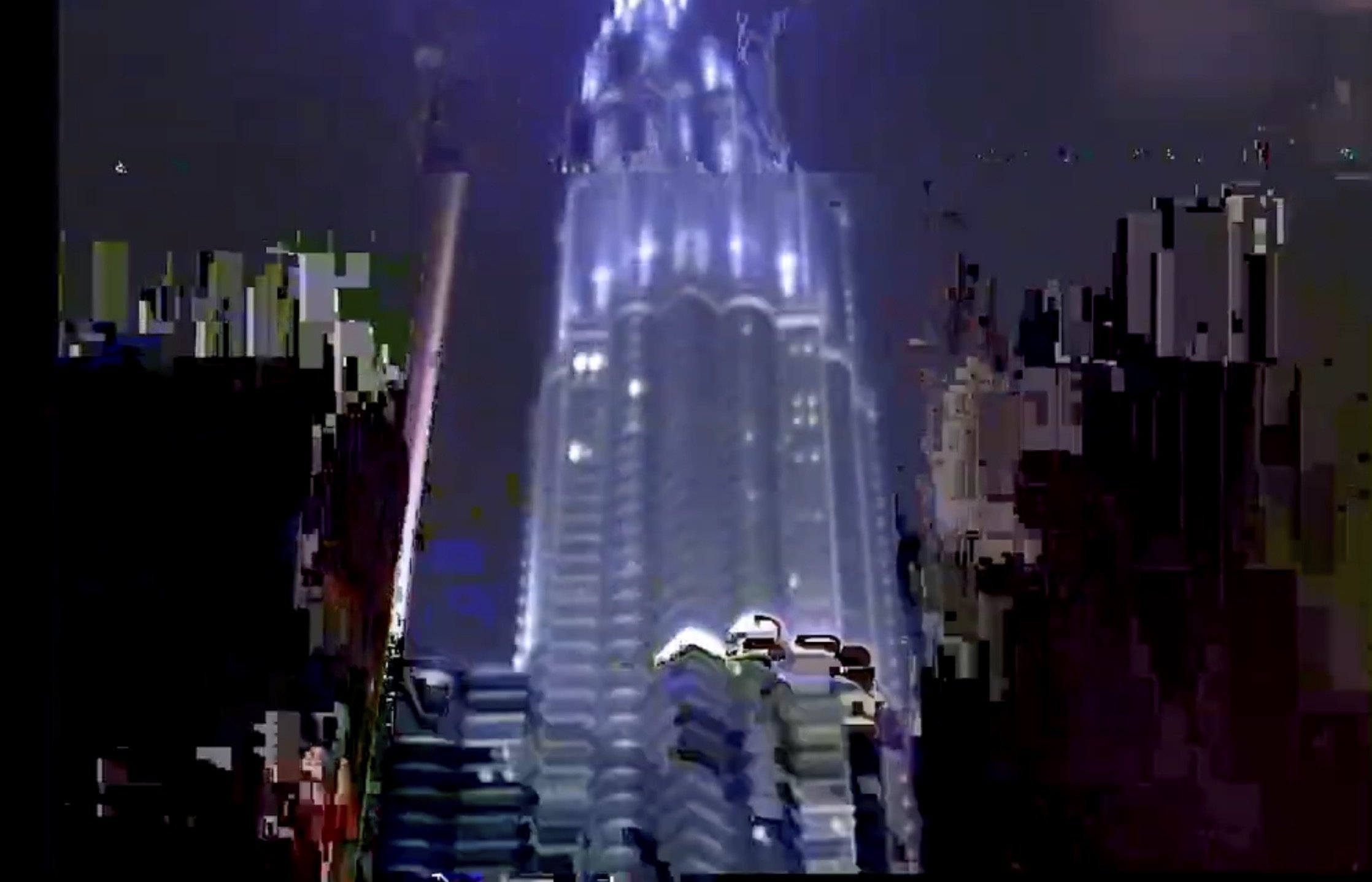
Anastacia Mala, Homing Desires, 2023, video Installation. Image courtesy of Anastacia Mala.
Could you walk us through some of your favourite projects to date?
I think my favourite project is Homing Desires. It is a multidisciplinary work exploring the relationship between memory, displacement and the idea of “home” within the diaspora. Through techniques such as data bending, where I manipulate archived home videos and intentionally disrupt their digital structure, I explore how memories of a homeland can become fragmented or transformed through migration and distance.
The project was particularly meaningful because it was exhibited both in Oslo and Bangkok, which allowed me to experience how the work shifted depending on its cultural context.
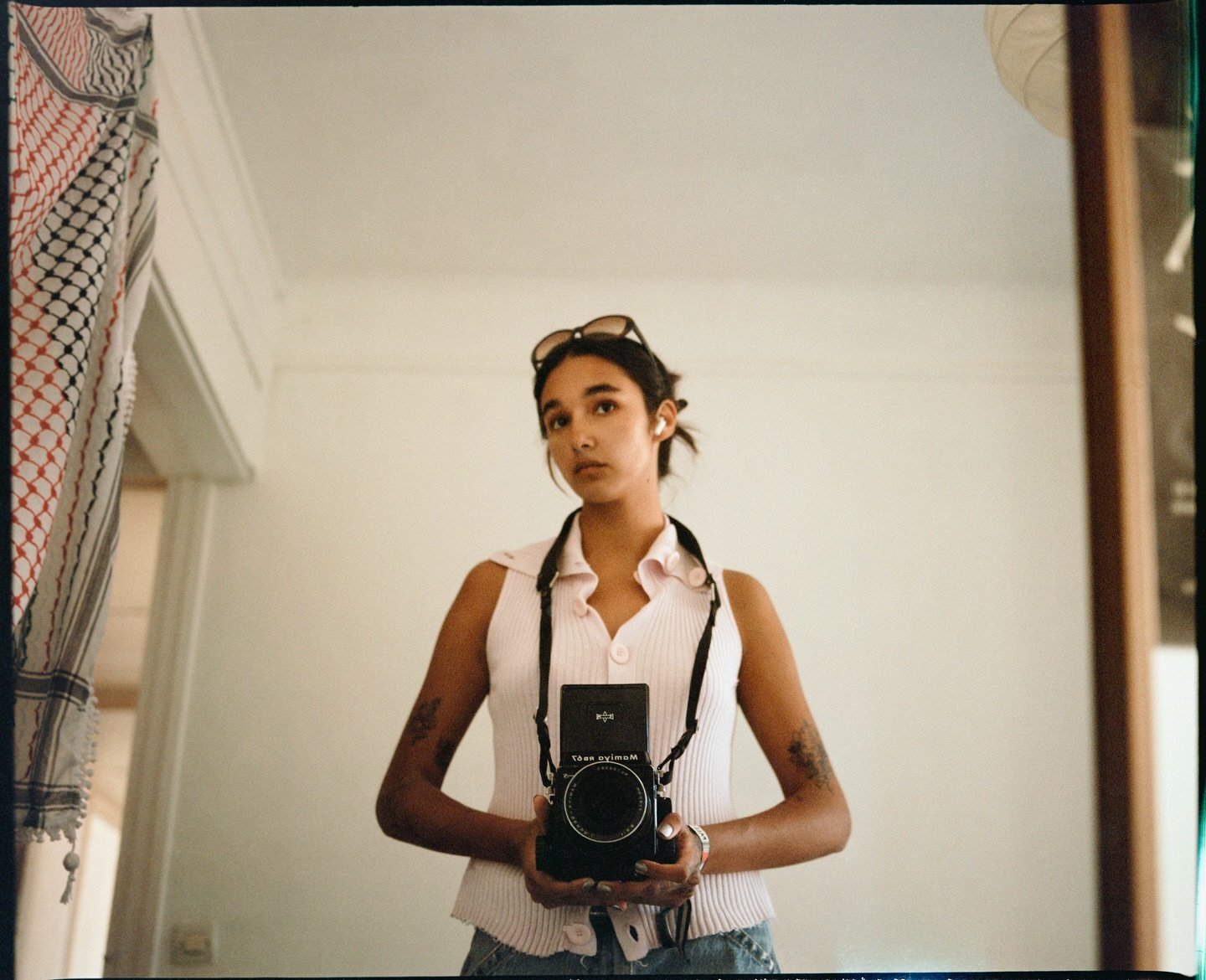
Anastacia Mala, self-portrait, 2025. Image courtesy of Anastacia Mala.
Do you have a team or collaborators that support you creatively? What is the collaborative process like?
My practice is largely independent for the moment, which for the most part is very challenging. Most of the people close to me have grown up within a single cultural context, so finding others who share the same lived experiences can be difficult. Because of this, I rely heavily on research, literature and the perspectives of writers and thinkers who have explored similar questions before me. At the same time, I am fortunate to have honest and creative friends who provide valuable perspectives, whether through critical feedback, discussions or simply just challenging my ideas from different viewpoints.

Anastacia Mala, Taman Sri Sentosa, 2025. Image courtesy of Anastacia Mala.
Lastly, what plans do you have in store for your practice moving forward?
I am allowing my practice to slow down and shift into a more reflective phase. After some years of producing images, I have been experiencing a period of creative fatigue with staged photography, which has pushed me towards writing and research as an extension of my diasporic visual practice. I am currently developing some personal research essays, which may eventually become a publication or that might accompany future photographic work. I am also looking forward to returning back to Malaysia later this year, where I hope to document and connect more closely with the communities that continue to shape my understanding of home.
Follow @anastaciamala for more of her work.