
Through the Lens: Borgy Angeles
Evolving within Manila’s fast-moving creative landscape
‘Through the Lens’ is a series that explores in detail the images of fashion image-makers in Southeast Asia, shedding light on their creative and technical processes.
Borgy Angeles is a Manila-based photographer working across fashion and advertising. What started casually grew into a deliberate visual language, as early experimentation naturally drew him toward fashion imagery. Across his work, the pace of the city emerges subtly, as scenes shift between carefully framed moments and more spontaneous ones. A sense of familiarity and stillness runs throughout.
In this interview, Borgy reflects on the instincts shaping his approach and how his practice moves between observation and construction, rooted in everyday life.
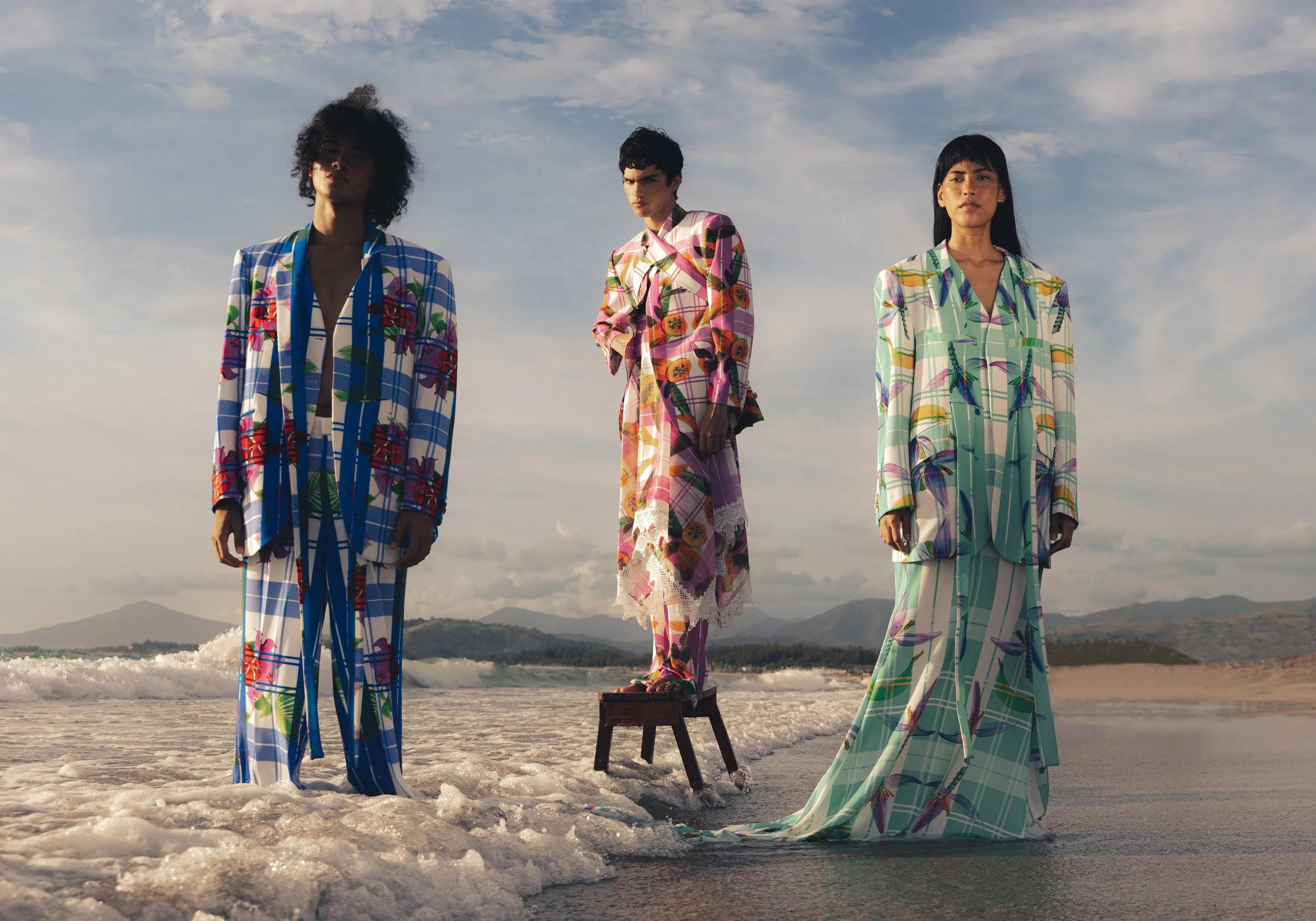
Jaggy Glarino, 2023. Image courtesy of Borgy Angeles.
Hi Borgy! Could you start by telling us a bit about your background? When did your interest in photography begin, and what led you to pursue it more seriously?
I am Borgy Angeles, a 28-year-old image maker based in the Philippines, mostly working in fashion and advertising. As a kid, I would take photos of my sisters and friends just for fun. That naturally carried into high school, where I started experimenting more, and getting into what we thought was fashion photography at the time.
I obtained a Bachelor of Fine Arts in Advertising Arts from University of Santo Tomas and tried exploring different mediums, but I kept coming back to photography, as it felt the most natural to me. During that time, I also started picking up small editorial gigs, and that is when it clicked that this was something I wanted to do seriously and pursue full-time.
What draws you to your subjects, and what do you look for when framing a moment? How does your upbringing in Rizal inform the way you see?
I mostly work with people, so what draws me in is their individuality. When I am choosing who to shoot, it is important that they naturally fit into the story I am trying to tell, whether it is for fashion or something more personal. That is usually where the image starts forming for me.
Sometimes I come in with a specific shot in mind, but more often, I let the space guide me. I like responding to the environment and seeing how it shapes the image in real time. I think that approach comes from growing up in Rizal. It is a smaller, quieter place just outside Manila, and I learned early on to work with what I had, mostly nature and the everyday surroundings. Those scenes have stayed with me, and they still influence how I see, and the kind of images I want to create.
“Sometimes I come in with a specific shot in mind, but more often, I let the space guide me. I like responding to the environment and seeing how it shapes the image in real time.”

Love, Death, Robots for Numero Netherlands, 2025. Image courtesy of Borgy Angeles.

Bagasao Studios, Collection 6, 2023. Image courtesy of Borgy Angeles.
Could you walk us through your creative process when approaching a shoot, from concept to execution? What challenges do you encounter along the way?
For my personal work, it usually starts with a prompt in my head. It could be a scene or story I want to portray. From there, I map it out, either through quick sketches or notes on my phone. These are usually specific images I already have in mind that I want to bring to life.
After that, it becomes about finding the right people to collaborate with, whether that is the subject or other creatives who can help translate the idea into something real. For me, the key variables are the subject and the location. Once those are locked in, I try to realise the image as I imagined it, while still staying open to exploring and adapting on the day of the shoot.
The biggest challenge is usually finding the right collaborators. These are people who understand the vision and can help bring everything together. But once that clicks, it all tends to fall into place quite naturally.
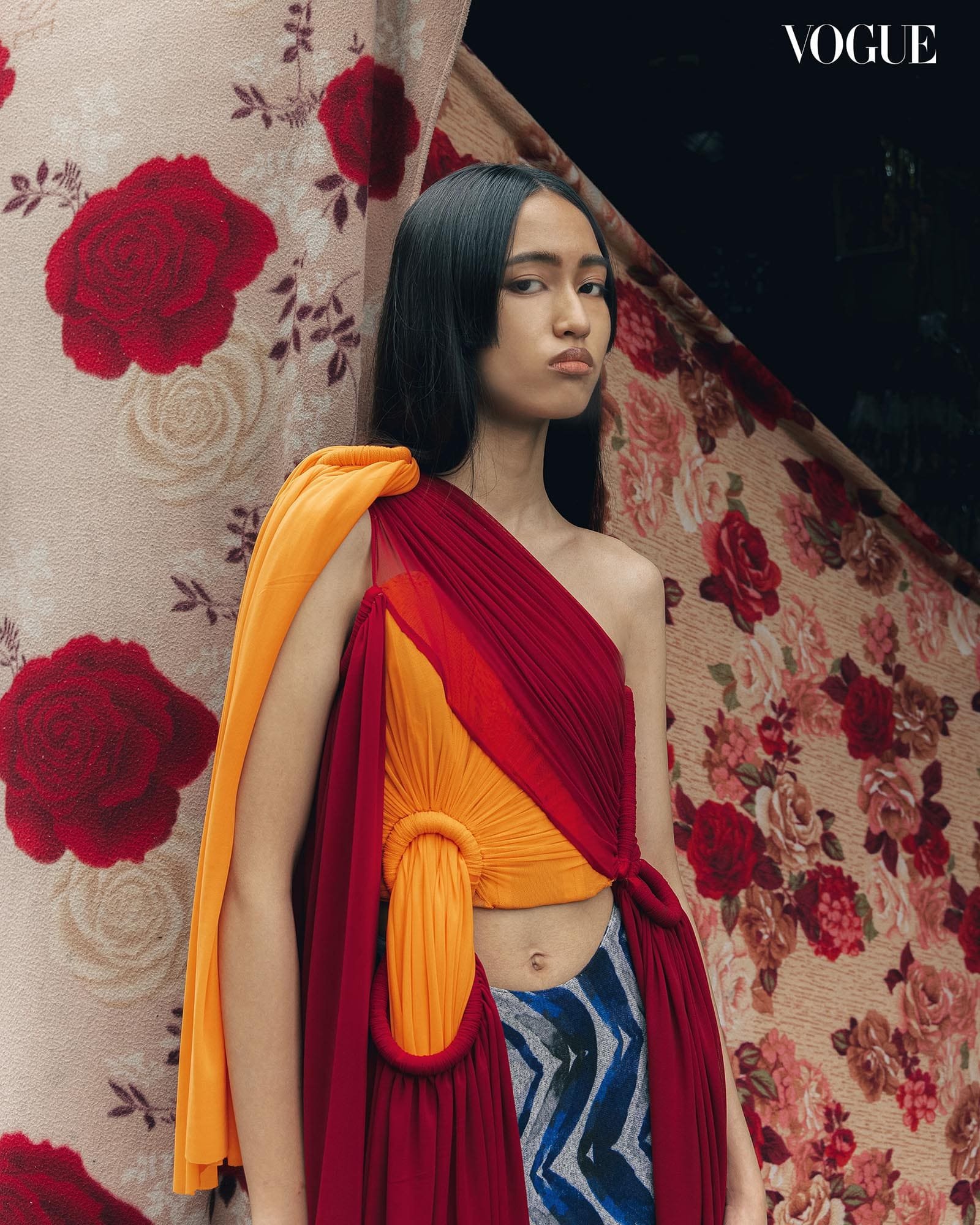
Lake Trystenne, BAGUIO AND BEYOND. Image courtesy of Vogue Philippines.
Last year, you photographed the February 2025 cover of Vogue Philippines, set in Baguio City. Could you tell us more about that project? What shaped the visual direction, and what did that experience open up for you?
That was an exciting project for me. I love working with new faces, and Baguio itself is such a colourful and layered place, it already has so much character to draw from. The story was centred on showcasing the culture of Baguio. We spent a lot of time shooting in locations that felt true to it: its landmarks, landscapes, and the everyday spaces that, to me, capture what Baguio is. I wanted the images to feel rooted in the place, not merely visually but in spirit as well.
Doing that cover was an enriching experience. It taught me a lot about immersing myself in a location and being more intentional with how I collaborate with people. It also pushed me to grow, both in how I approach storytelling and how I work with a team to bring something like that to life.
What does collaboration mean to you? How do you approach working with other creatives, and what do you value most in that exchange?
For me, collaboration is about building a shared vision. It is about working with people who speak the same creative language, even if each person brings something different to the table, and coming together with one goal in mind.
I try to approach every collaboration with an open mind. It is important for me to listen and value what everyone brings, because there are so many layers to creating an image. In fashion especially, something as specific as styling can completely shape the outcome, sometimes in ways I would not have seen on my own.
At the end of the day, I think listening is a big part of it. What I value most is that shared energy, with everyone putting in their ideas and effort to create something that feels whole and meaningful together.
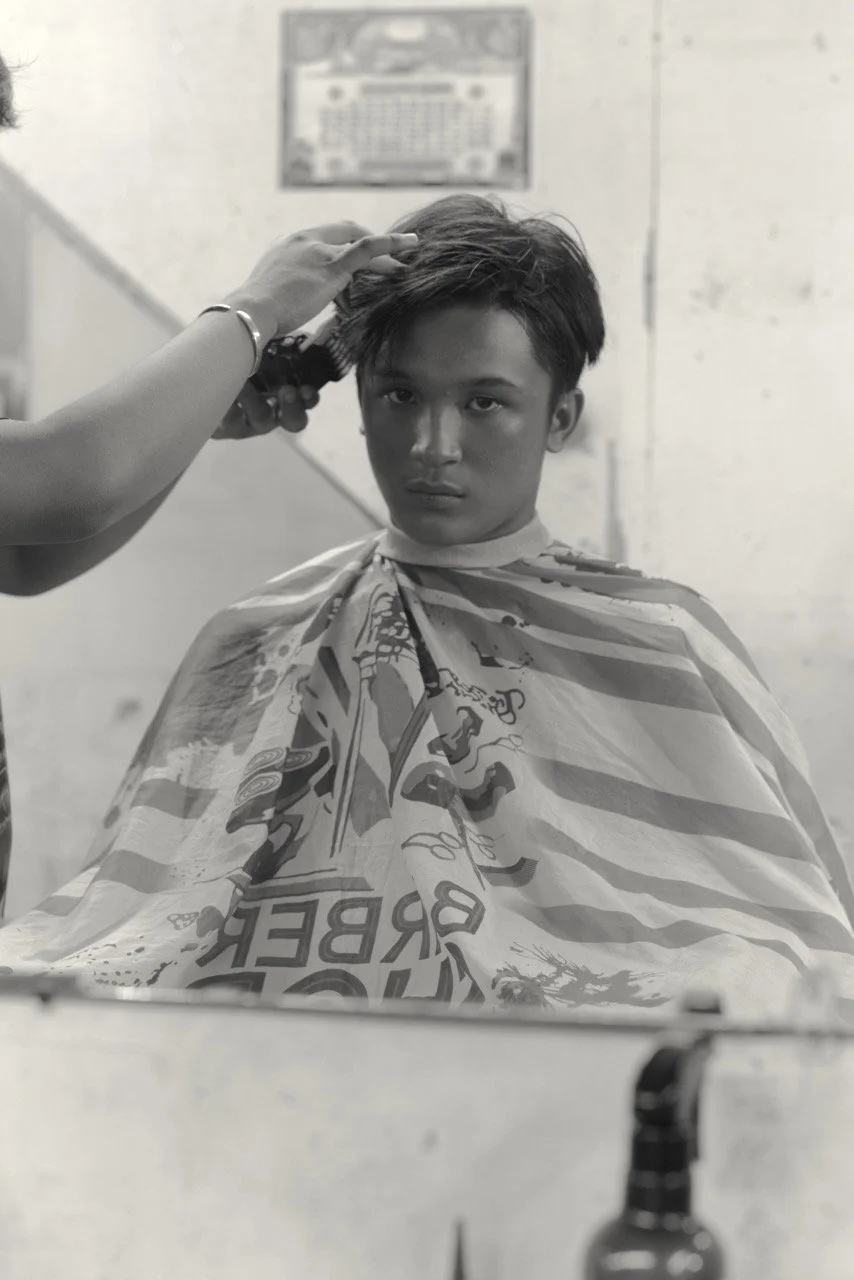
Kristoff, January 2026. Image courtesy of Borgy Angeles.
In a time when images are constantly produced and consumed, what makes a photograph feel necessary to you today?
I think an image feels necessary when it is made with real intention and purpose. It can be sensed right away, for there is a certain honesty and weight to it that goes beneath the surface. For me, that translates visually. The audience can tell when something was created with meaning behind it, as opposed to being made just for attention or visibility.
In a time where images are constantly being produced and consumed, I think what makes something stand out is that sense of sincerity. It will feel considered, and it will stay with you a little longer. At the end of the day, a necessary image is one that does not only exist to be seen, but actually has something to say.
“At the end of the day, a necessary image is one that does not only exist to be seen, but actually has something to say.”
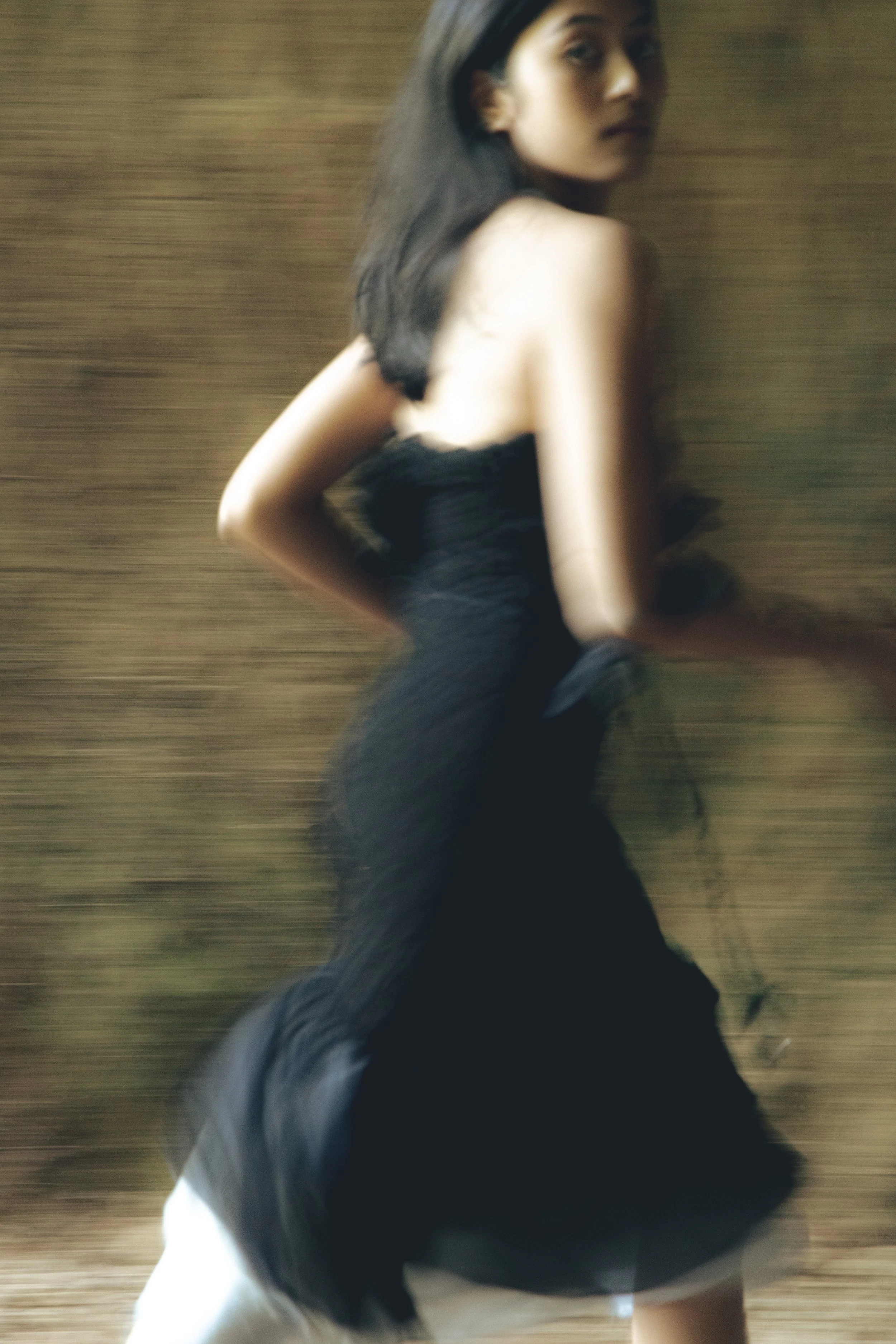
Jos Mundo, Holiday 2022. Image courtesy of Borgy Angeles.
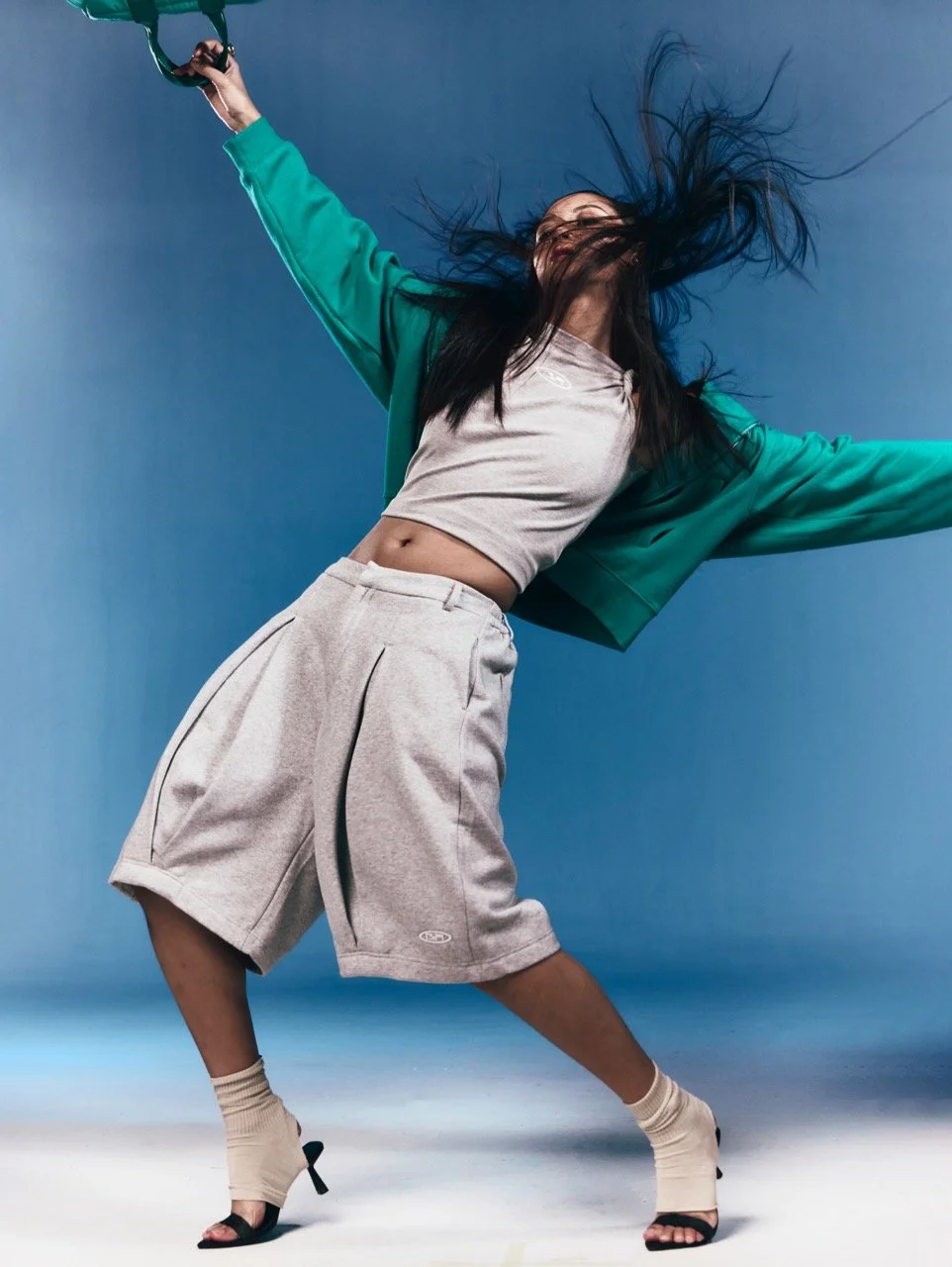
Blanc Nue, Holiday 2025. Image courtesy of Borgy Angeles.
How does working in Manila shape your perspective as a photographer? What feels most exciting or urgent about making work there right now?
Working in Manila has shaped my perspective through the people I get to collaborate with. There is such a strong community of talented artists here, and being around that kind of energy constantly pushes me to grow and refine my work.
Everything also moves fast. There is constantly something new emerging, whether it is in fashion, media or culture. That pace can be challenging, but it is also what makes it exciting. It pushes me to stay sharp, to keep evolving, and to be more intentional with what I put out.
I think what feels most urgent right now is just continuing to find one’s own voice within all that noise, making work that still feels personal and grounded despite how quickly everything moves.
Lastly, what’s next for your practice? Are there any ideas, directions, or collaborations you are currently interested in exploring?
Right now, I am focused on continuing to find my voice and refine my work. It is an ongoing process for me, and I do not think it ever stops. I do not want to box myself into doing just one thing, especially since everything is changing so quickly. I want to keep my work grounded in what I believe in, and use it as a way to say the things I want to express visually.
In terms of direction, I am interested in exploring new ways of approaching my practice, whether that is through different processes, collaborations, or ways of storytelling. It is about staying open and allowing the work to evolve naturally.
Find out more about Borgy’s work on Instagram at @borgyangeles.