
Through the Lens: Rob Frogoso
Transforming everyday objects into surrealist still lifes
Rob Frogoso is a Manila-based photographer whose work transforms everyday objects into surrealist compositions. He uses found materials such as toys, beauty products, currency, and household items, which he turns into still lifes that explore themes of consumerism, identity, and contemporary culture. His work has been published in The New York Times, where his images have accompanied opinion pieces on figures including Elon Musk and Donald Trump, as well as in The Wall Street Journal and New York Magazine's The Strategist, for which his work has been nominated for the National Magazine Awards.
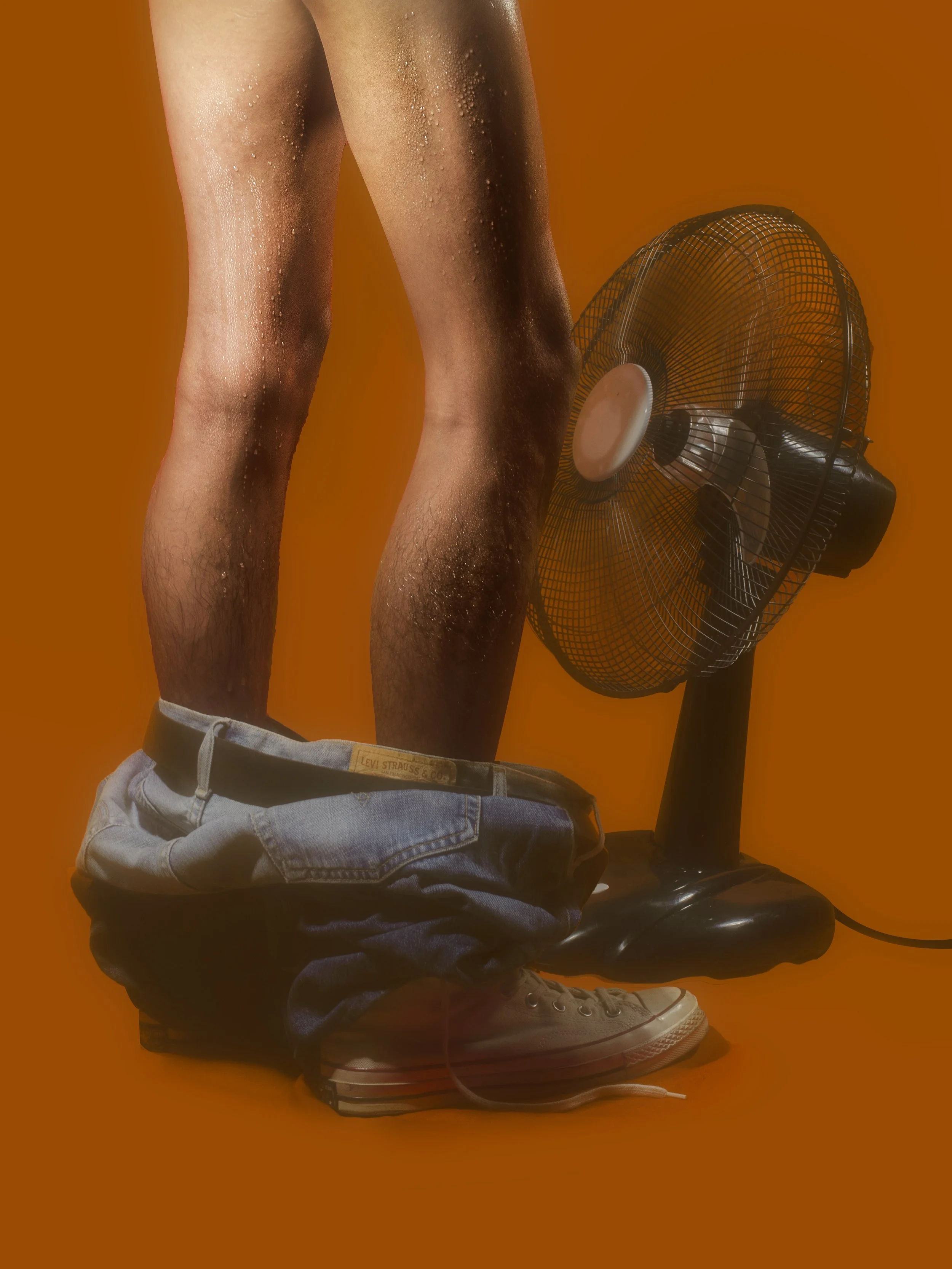
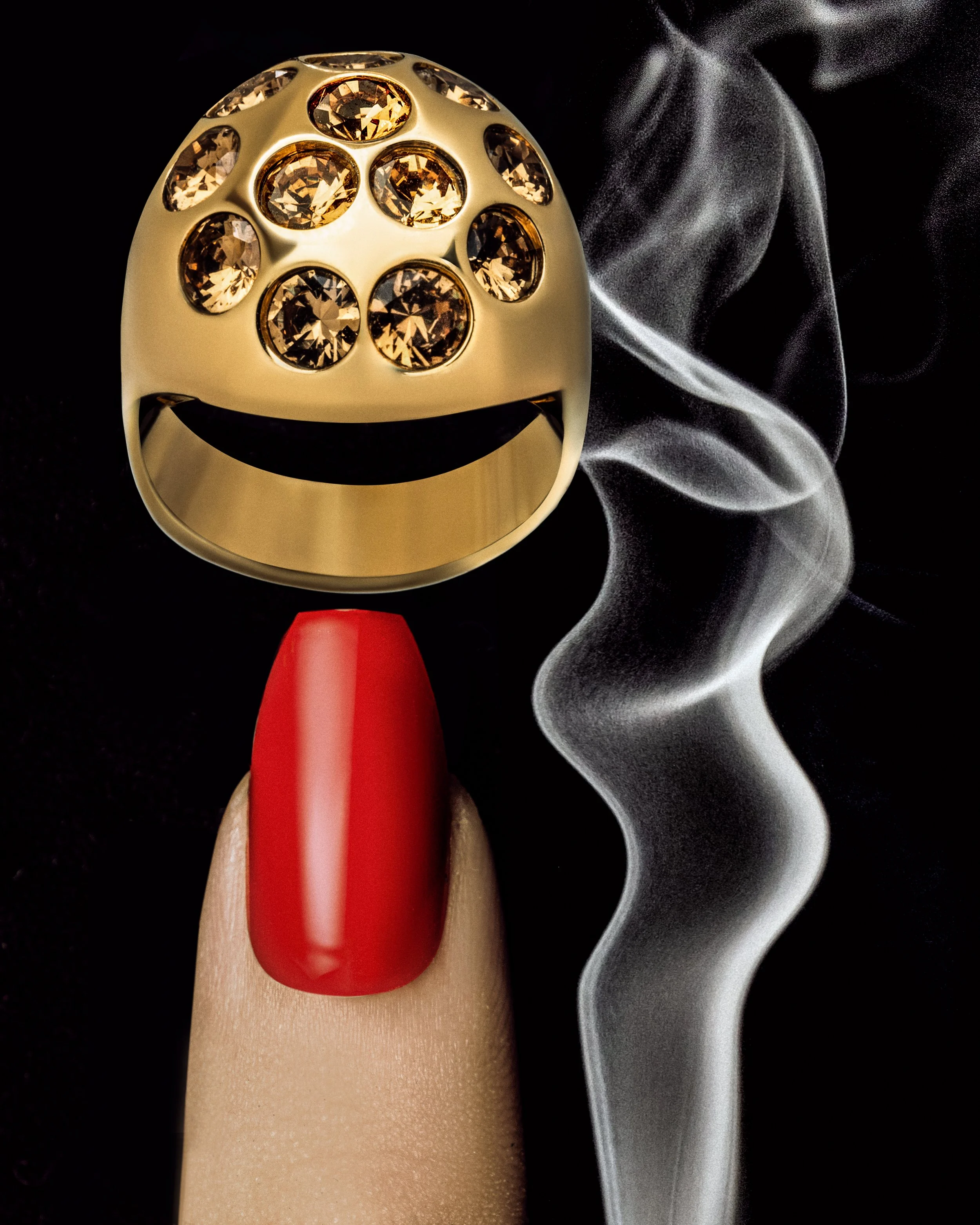
Rob Frogoso, New York Magazine, 2021. Photo editor: Liana Blum and Graylen Gatewood. Image courtesy of the photographer.
His recent solo exhibition, Little Immensities (2024), at Tarzeer Pictures in Manila featured his series Dolls, where he assembles ephemera into representations of amorphous bodies and faces. Frogoso constructs what has been described as “a layered universe that dances between realms of mundanity and spectacle” by writer Sofia Guazon for the show’s exhibition notes. In this interview, Frogoso discusses his background, his creative process, and his work across both visual art and commercial photography.
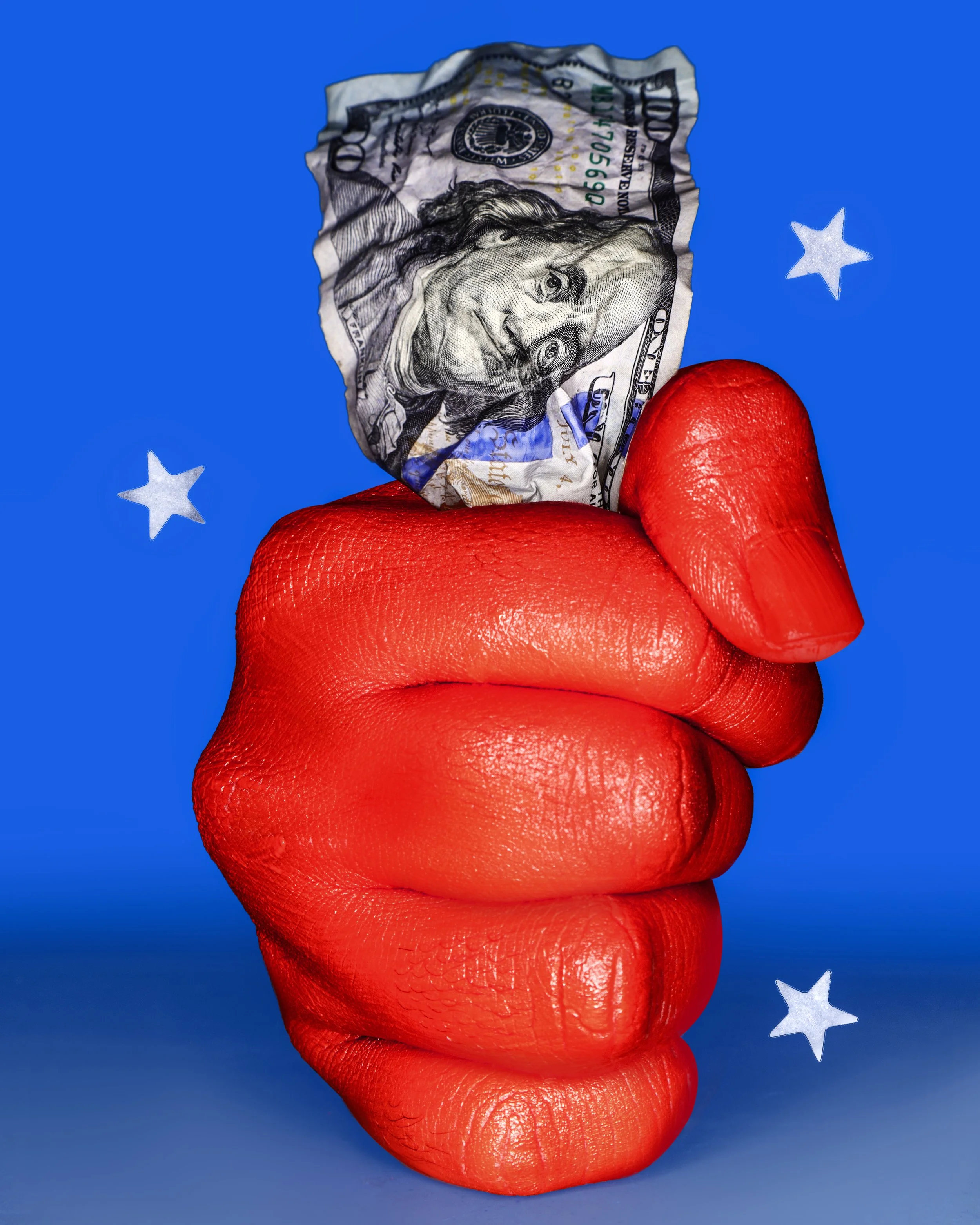
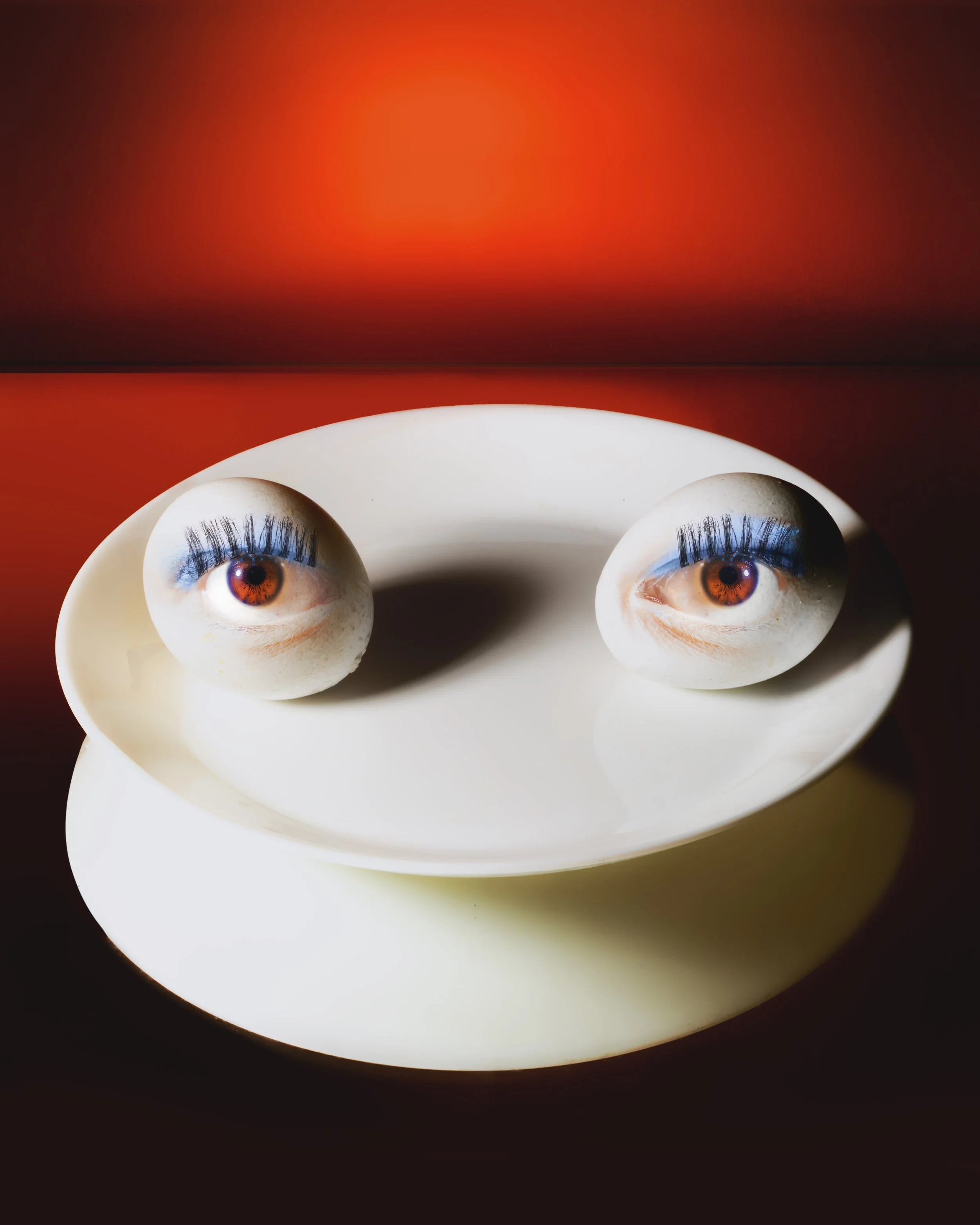
Rob Frogoso, The New York Times, 2025. Photo editor: Jessie Wender. Image courtesy of the photographer.
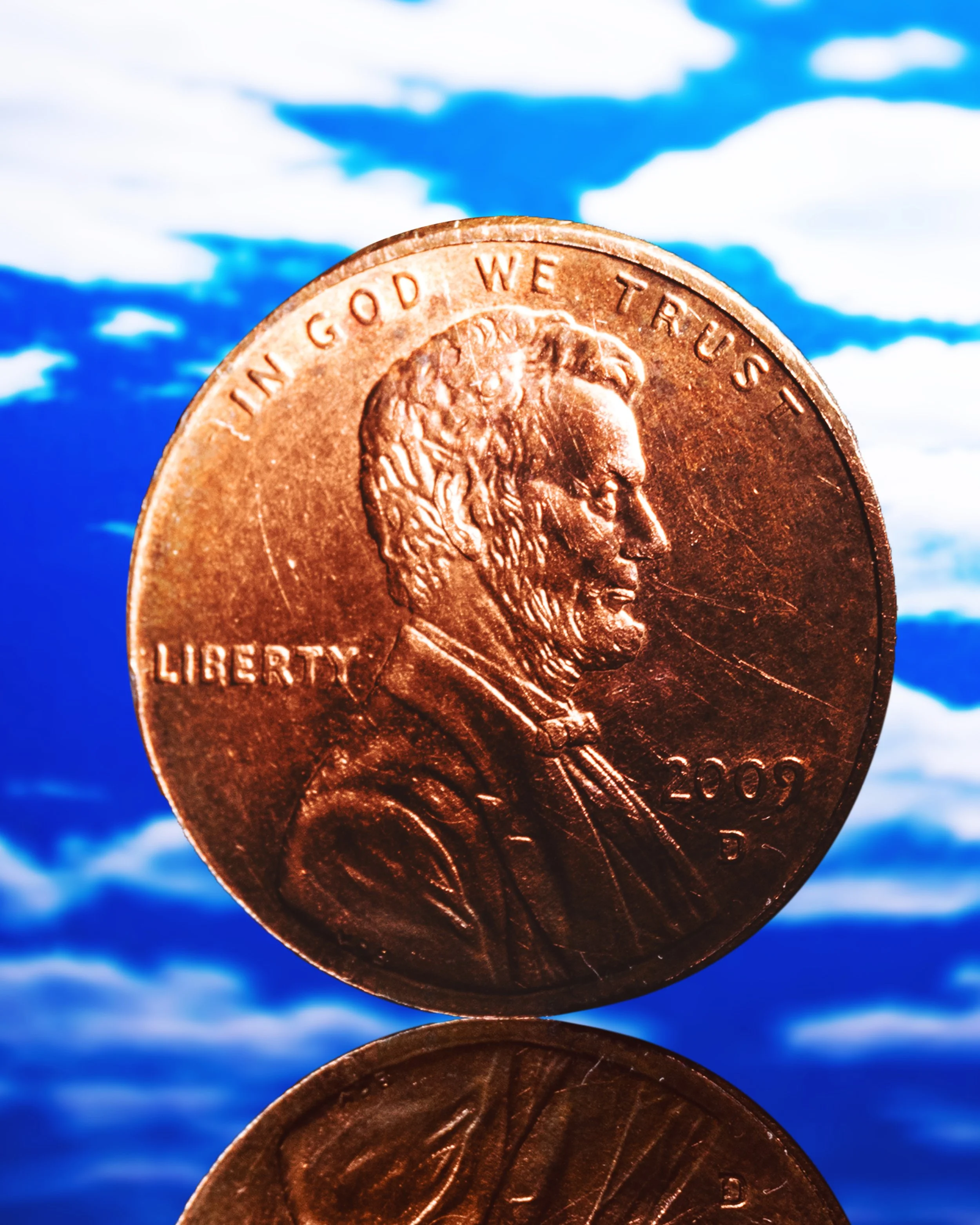
Rob Frogoso, The New York Times, 2025. Photo editor: Jessie Wender. Image Courtesy of the photographer.
Could you talk about your background? How did you start your photographic practice?
I attended photography school, but dropped out. Then I started uploading photos on Instagram. I wanted to be a fashion photographer, and so I have often deferred to fashion photography for inspiration.
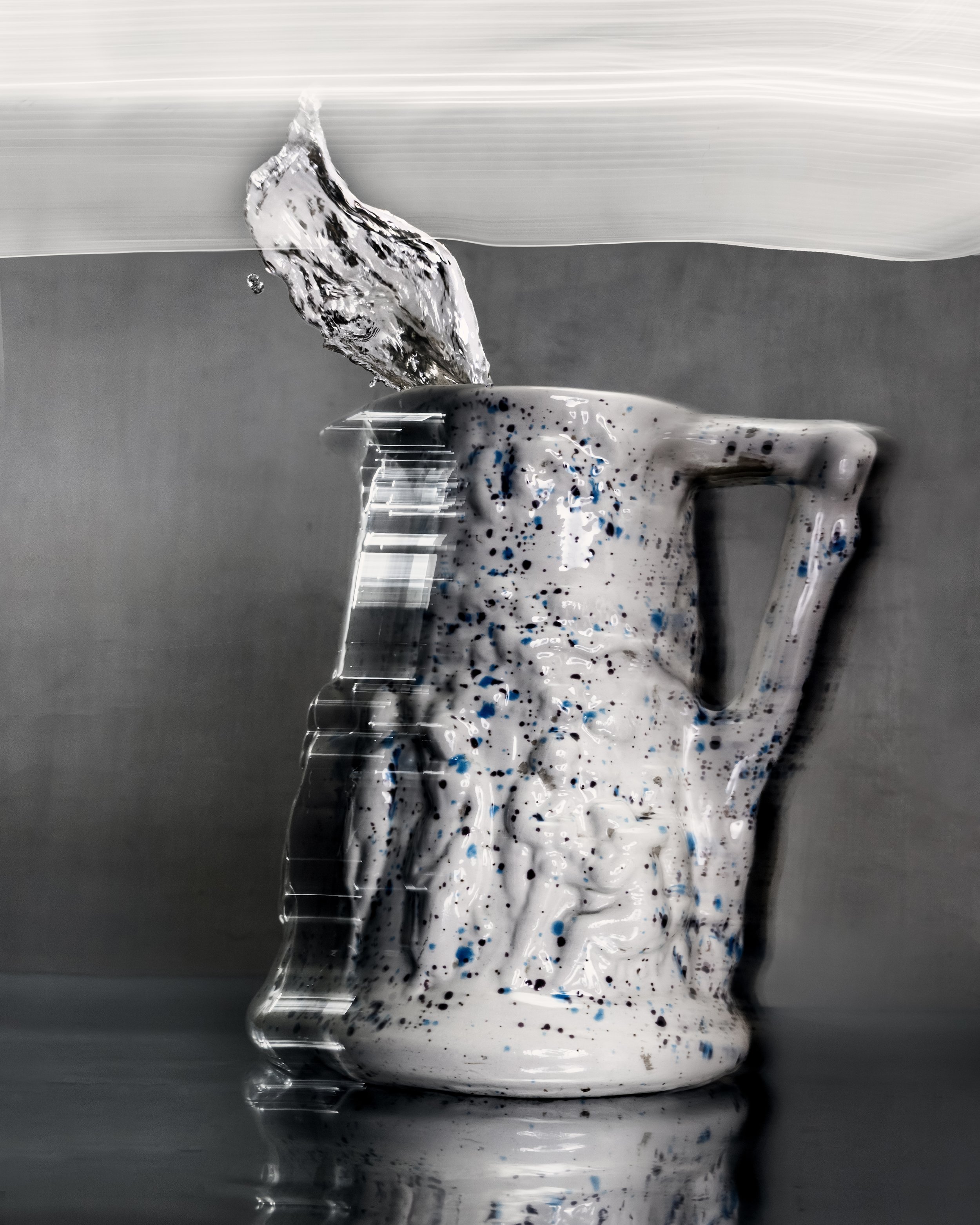
Rob Frogoso, Untitled, 2025. Image courtesy of the photographer.
Rob Frogoso, Untitled, 2025. Image courtesy of the photographer.
What are the themes, ideas, or subjects piquing your interest at the moment? What or who are the main influences your work draws upon?
It depends entirely on my mood. Right now, I am interested in the works of Peter Hujar. But I always go back to the works of Guy Bourdin, Irving Penn, and Bobby Doherty.
I have explored the same themes over the years: home, desire, spirituality, and mothers, among others. I am interested in photographs that have something going on beneath the surface.
What do you want people to take away from encountering your photographs? Are there particular aspects or elements that hold special importance for you?
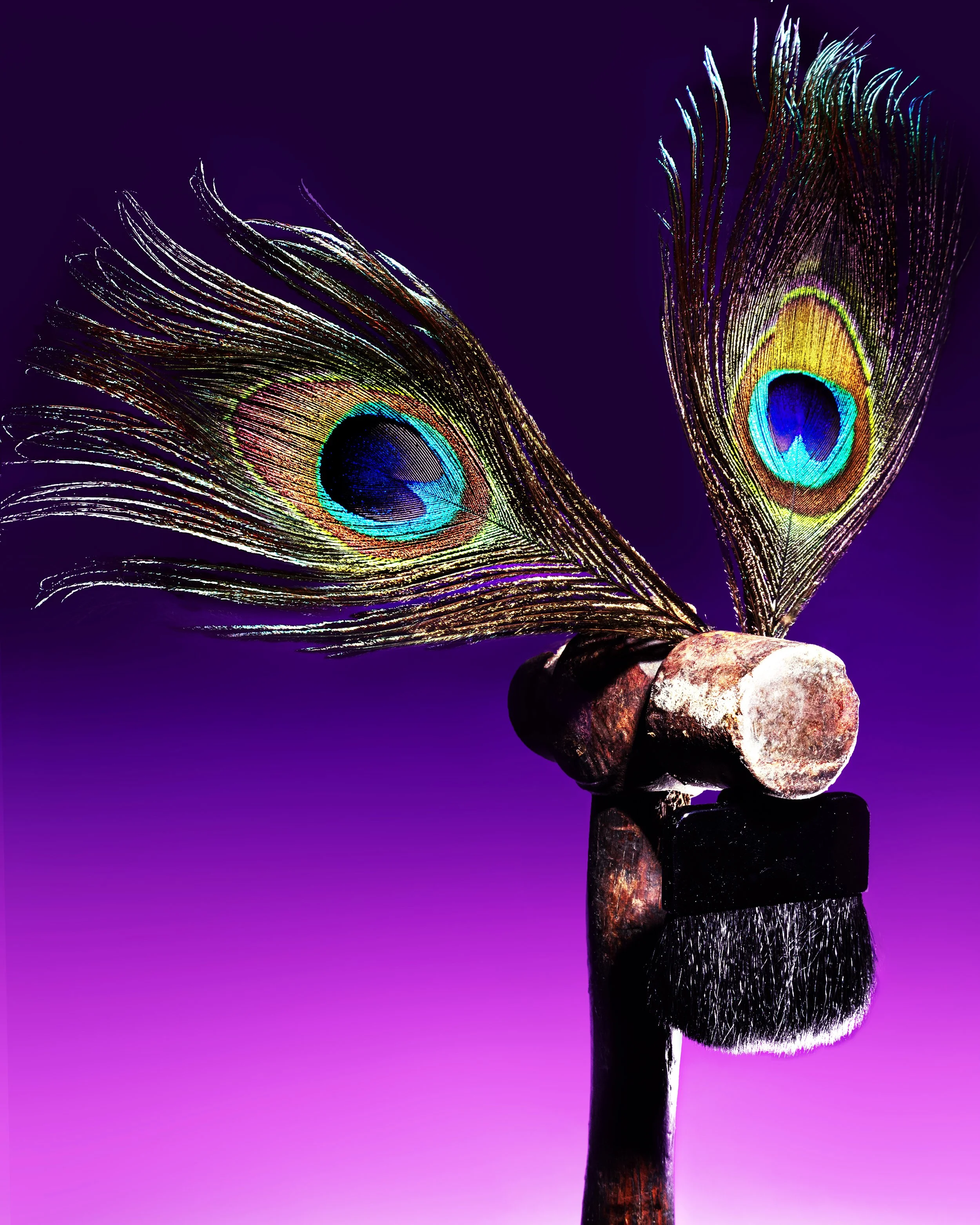
I want them to feel things. Certain objects reappear within my body of work, like eggs, peppers, and orchids, but they hold importance because I assembled and photographed them. We like to search for and assign meaning in everything. A photo consisting of peacock feathers, a hammer and a mustache can mean one thing to someone, but it means something else to me when I look at the picture as a whole.
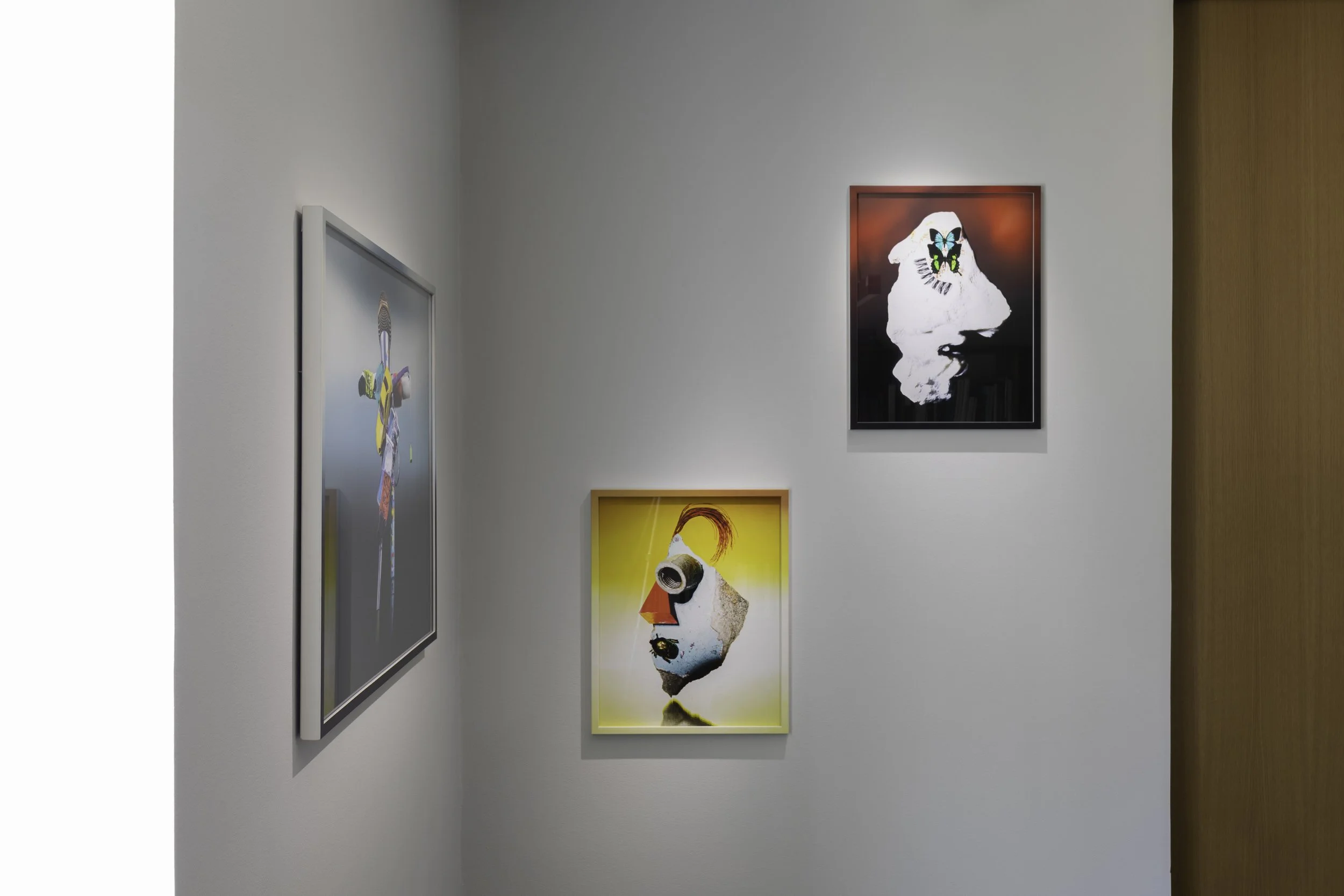
Rob Frogoso, Little Immensities, 2025, installation view. Image courtesy of Tarzeer Pictures.
Could you talk through your creative process? How do you source and select the objects that populate your compositions? What are some challenges you face as a photographer, and how do you solve them?
I try to approach it as if I were writing a song. I determine what combination of words, experiences, and sounds evokes a specific feeling. I find this process to be the same as creating a photograph where I work with elements within a frame, like the lighting, composition and cropping, among other things.
For where I source my objects, sometimes I just find them off the ground while walking or shopping online, but ultimately I refer to them as “found objects” because I “found” them. I seek the look of the object more than the object itself, as long as I make it desirable to the viewer.
I often find myself having trouble with clients who want me to recreate a specific look instead of honouring my style. I question why they hired me in the first place because it does not fit my style, and this does not mesh well with my neuroticism. It mostly comes down to experience. When you keep doing the work, it becomes second nature to you.
Rob Frogoso, Dolls 1, 2025. Image courtesy of the photographer.
Rob Frogoso, Dolls 5, 2025. Image courtesy of the photographer.
You were part of the group exhibition, Little Immensities, at Tarzeer Pictures in May. Could you elaborate on the concept behind this show and how you selected the objects that became part of it?
There was a huge edit that happened before. I noticed that they gravitated towards certain photographs, so I created more in the same vein as the ones that they liked.
The show is about world-building. What I love about world-building is that it could be vague but specific if it resonates with you. I just drew from my well of personal experiences.
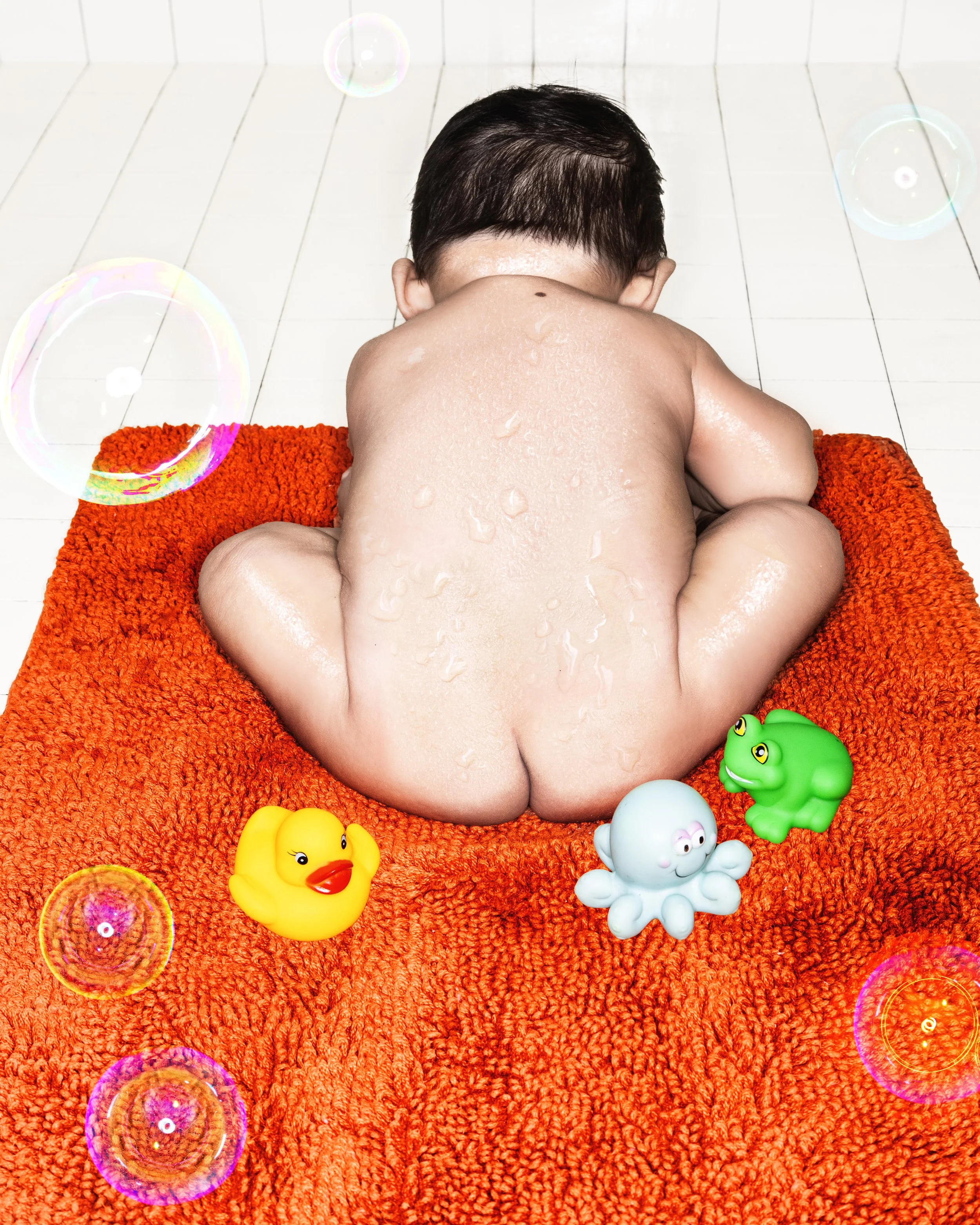
Rob Frogoso, New York Magazine, 2025. Photo editor: Jody Quon and Allie Monck. Image courtesy of the photographer.
You have created editorial work for The New York Times Opinion section and The New York Magazine. How does your approach differ when creating work for editorial commissions as compared to your personal practice? What challenges or freedoms does each context present?
I believe that there is a huge difference between my commercial work and personal work. With previous editorial work, they let me do my own thing despite having a prompt or guideline to follow. Jody Quon of New York Magazine made an impression on me because she reminded me of my high school history teacher, Ms. Ramos. And since they work with tight timelines, done is better than perfect.
My process is much slower when making personal work because I am a perfectionist. My end goal is to make those two flow seamlessly.
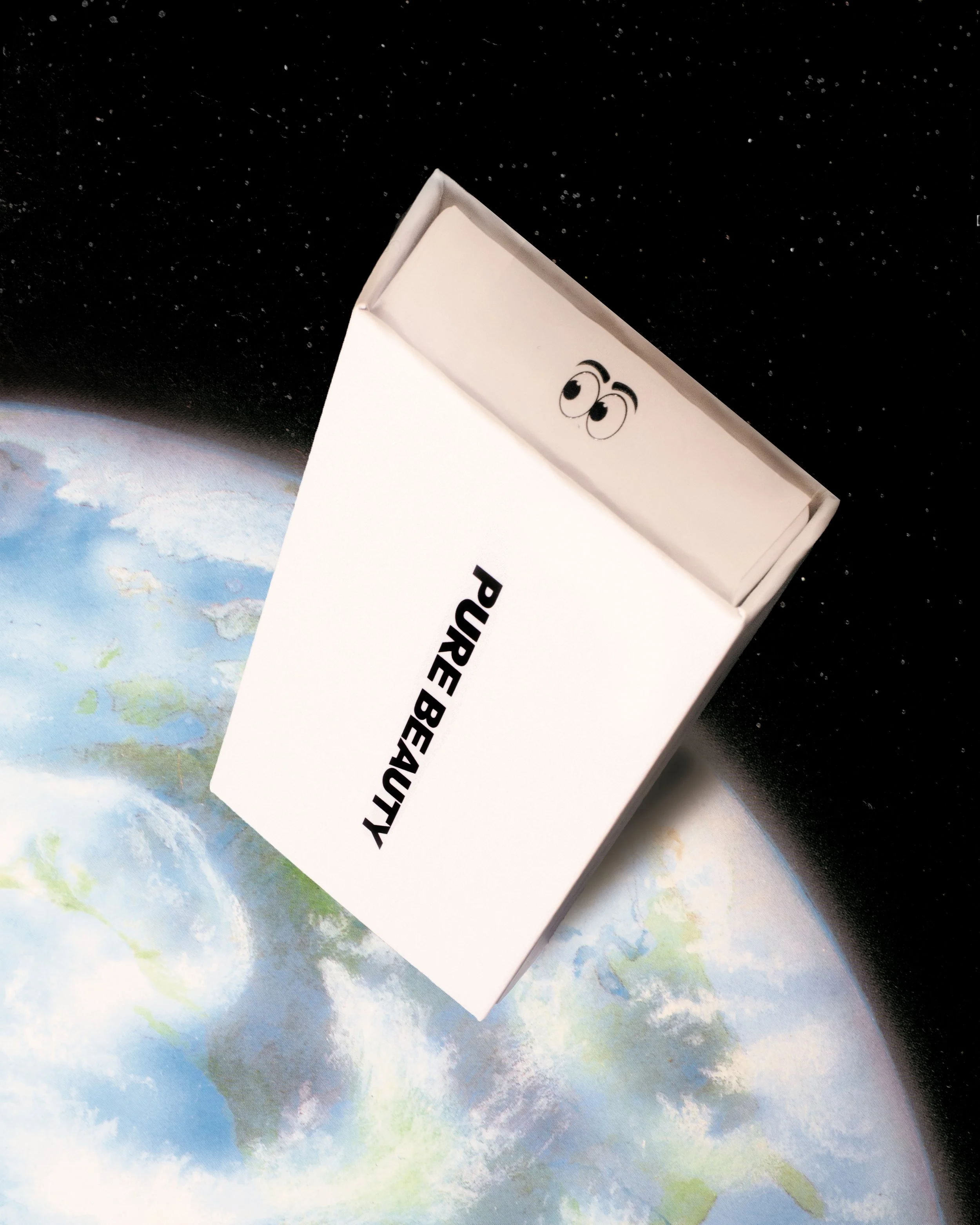
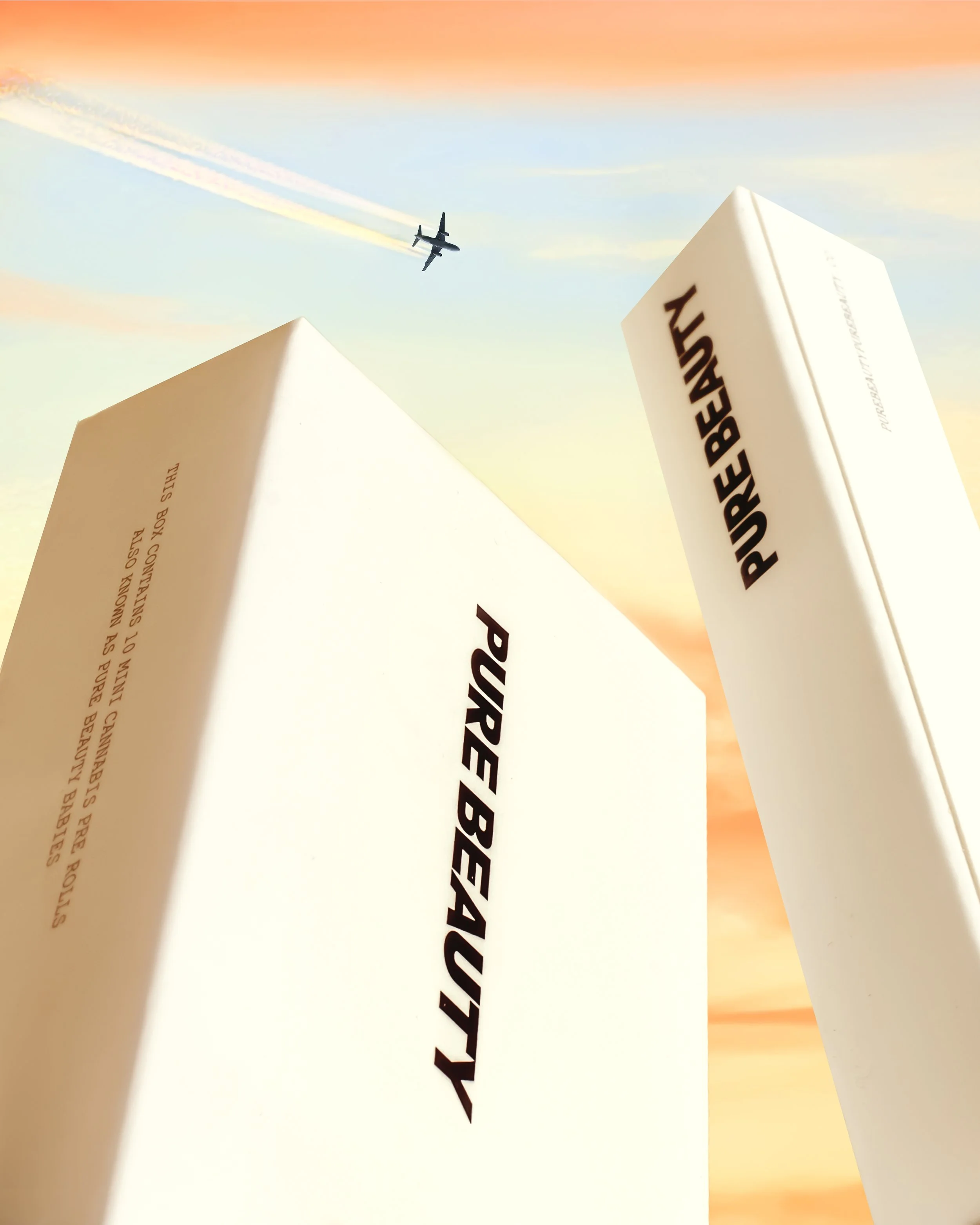
Rob Frogoso, Pure Beauty, 2022. Image Courtesy of the photographer.
Lastly, what plans do you have in store for your practice moving forward? Are there any projects that you are currently working on, or new territories you are keen to explore?
I hope to still be a photographer in the future because that is all I know how to do.
I am working on something, but I do not want to give too much away yet. It is challenging to make because I have to be honest about my life and feelings. But at least if it is well-received, then I can benefit from the process. That is why I have to make it look good.
The interview has been edited.
Explore more of Rob’s work via his Instagram here.